
Sustainability News
-
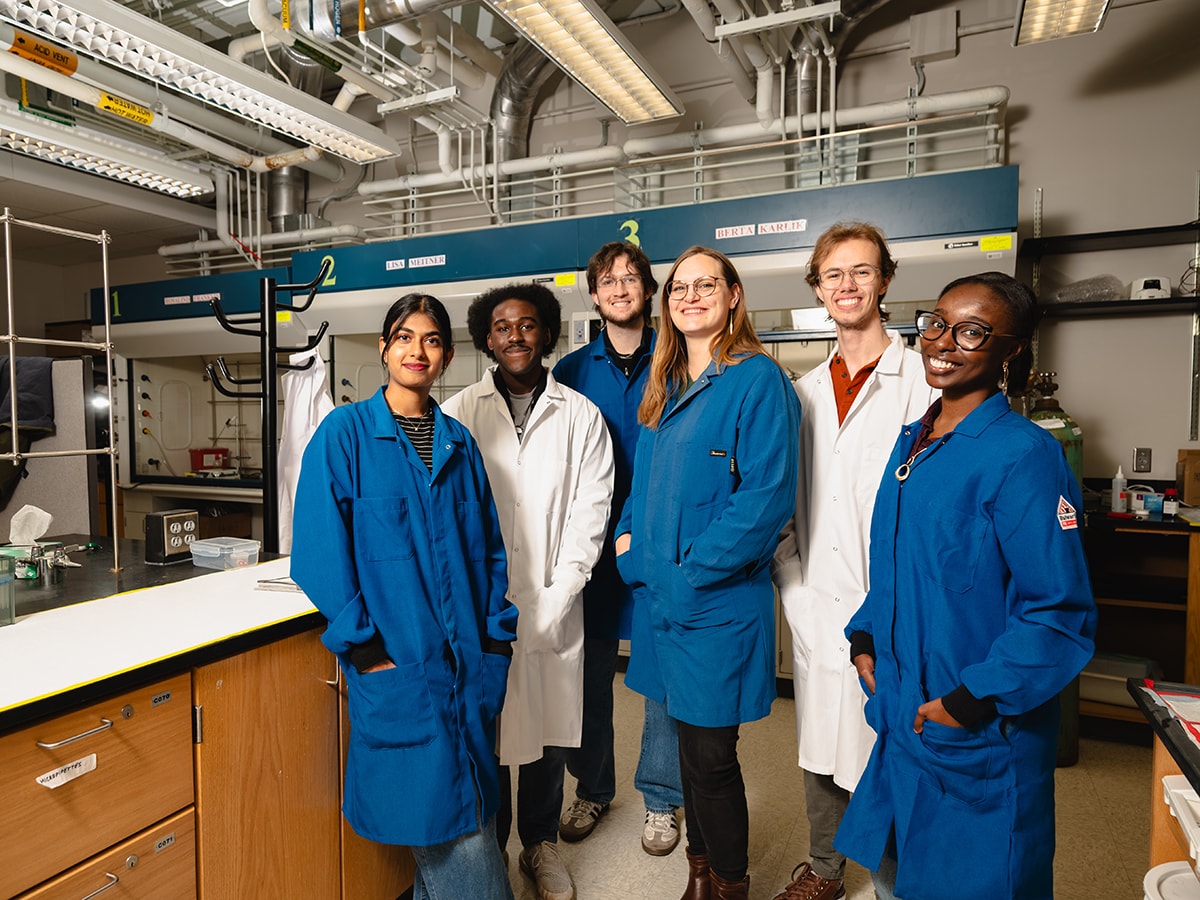 How UAB Green Marketplace is helping researchers stretch their dollarsInvestigators have saved nearly $100,000 by acquiring unneeded equipment and supplies from fellow UAB labs through this site instead of buying new. Hear from researchers who have benefited and learn how to get started today.
 -
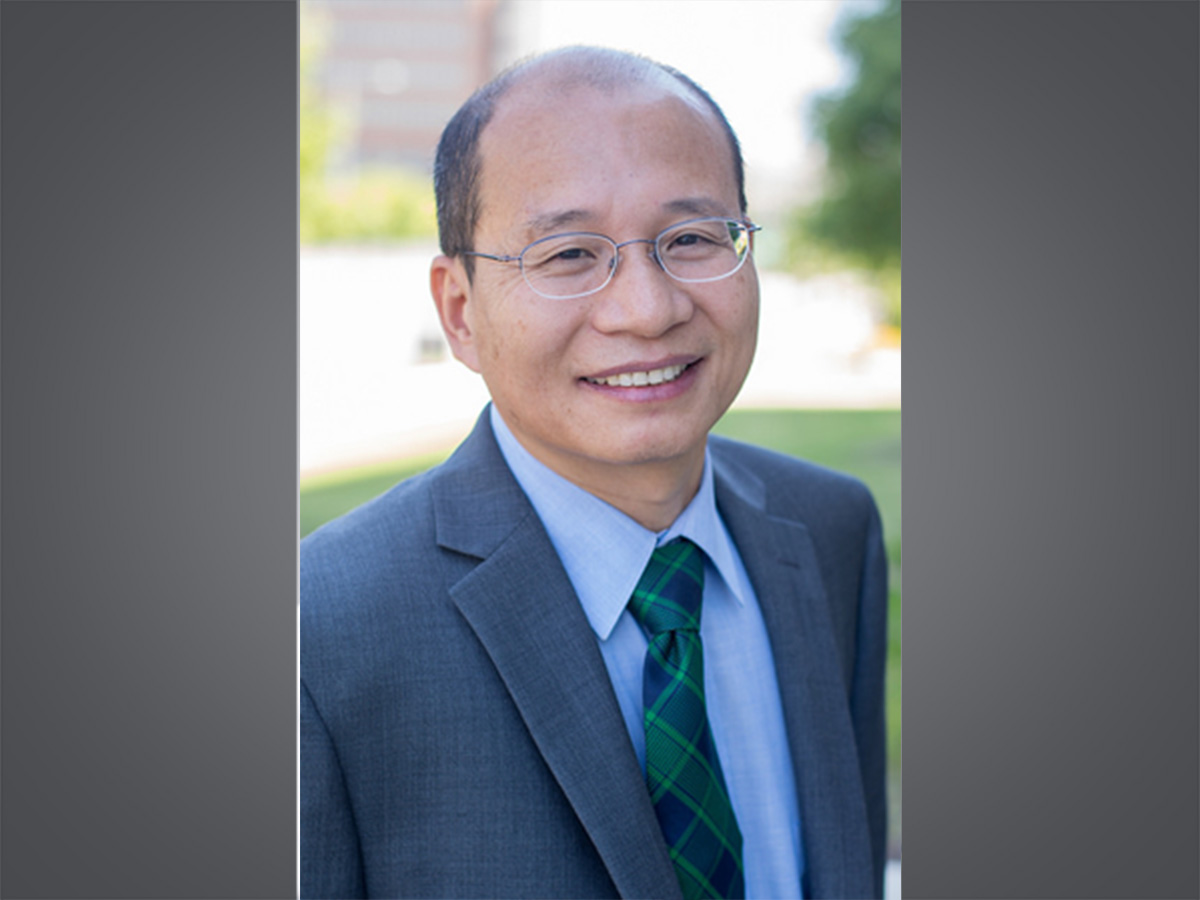 UAB professor’s invention becomes an International Standard in cybersecurityInspired by a police press conference, Computer Science Professor Yuliang Zheng, Ph.D., developed a way to prove that digital files are authentic while obscuring secret information, which is now an International Standard in cybersecurity.
 -
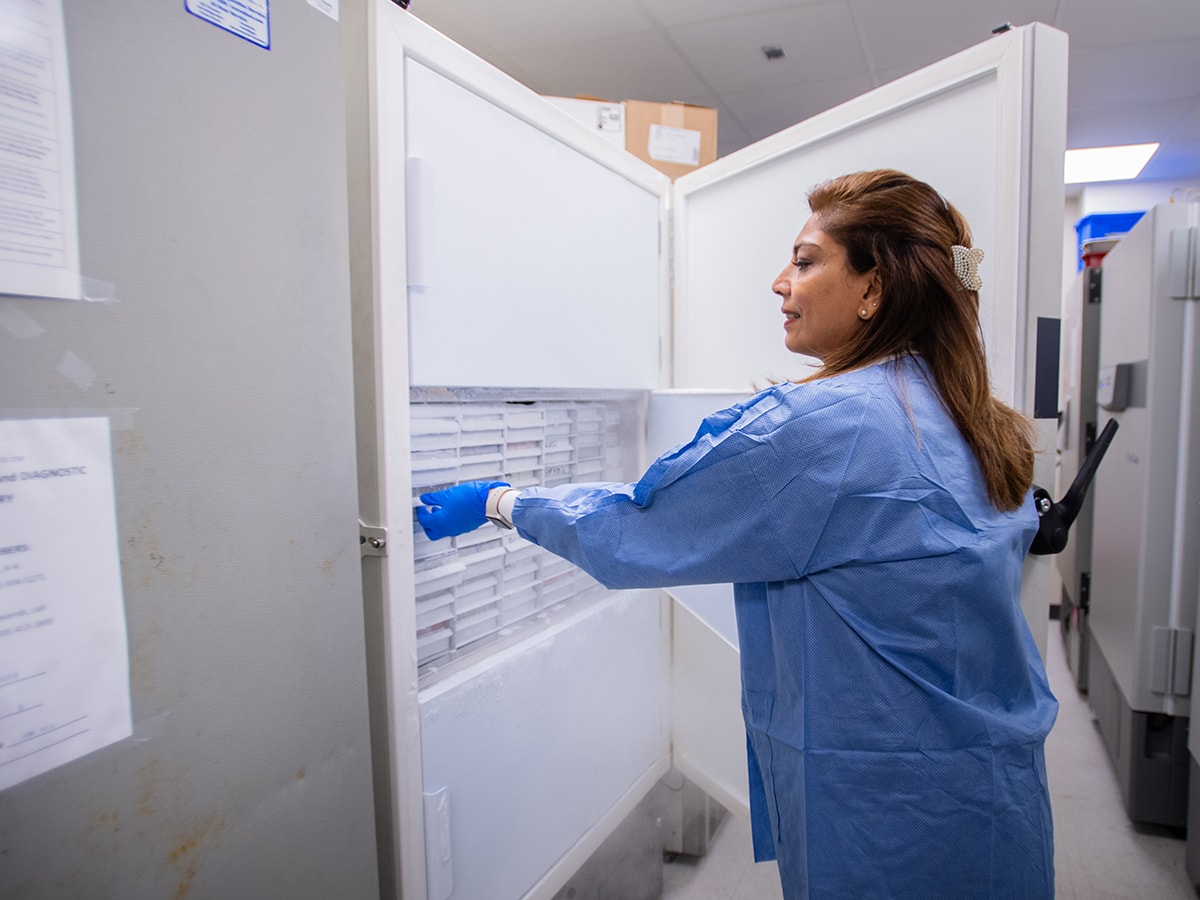 UAB’s Green Labs Program has saved more than $1.4 millionMore than 200 UAB labs participate in the voluntary program, which is a partnership between UAB Sustainability and UAB Environmental Health and Safety. In 2024 alone, energy reductions and resource savings reached nearly $500,000.


