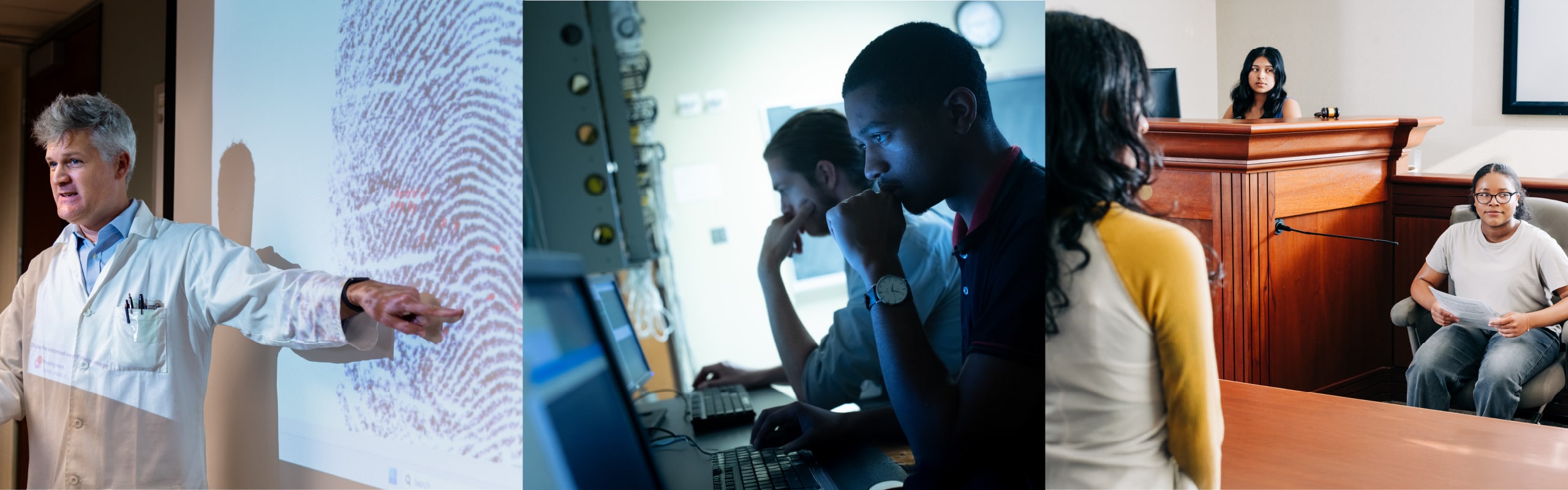

Internships
We are the only criminal justice program in Alabama that requires you to complete an internship/capstone. We will place you with an organization, institution, or agency that will help you build a professional network and prepare you for the workforce.

Accelerated Learning Opportunities
Interested in earning your bachelor’s and master’s degree on an accelerated timeline? The J. Frank Barefield, Jr. Department of Criminal Justice offers an Accelerated Bachelor’s/Master’s option for high performing undergraduate students who plan to pursue their M.S. in Criminal Justice.
Latest News
-
 New collaborative offers students hands-on practice in community-driven work to “help the city thrive”The Community Solutions Collaborative brings together UAB labs focused on digital forensics, law and data science to give students a chance to build their skills while taking part in real projects.
 -
 Ten students receive 2026 College of Arts and Sciences Dean’s AwardsThe Dean’s Awards for Outstanding Undergraduate Students and Outstanding Graduate Students recognize exceptional undergraduate and graduate students in the University of Alabama at Birmingham’s College of Arts and Sciences who have made significant contributions to the UAB community.
 -
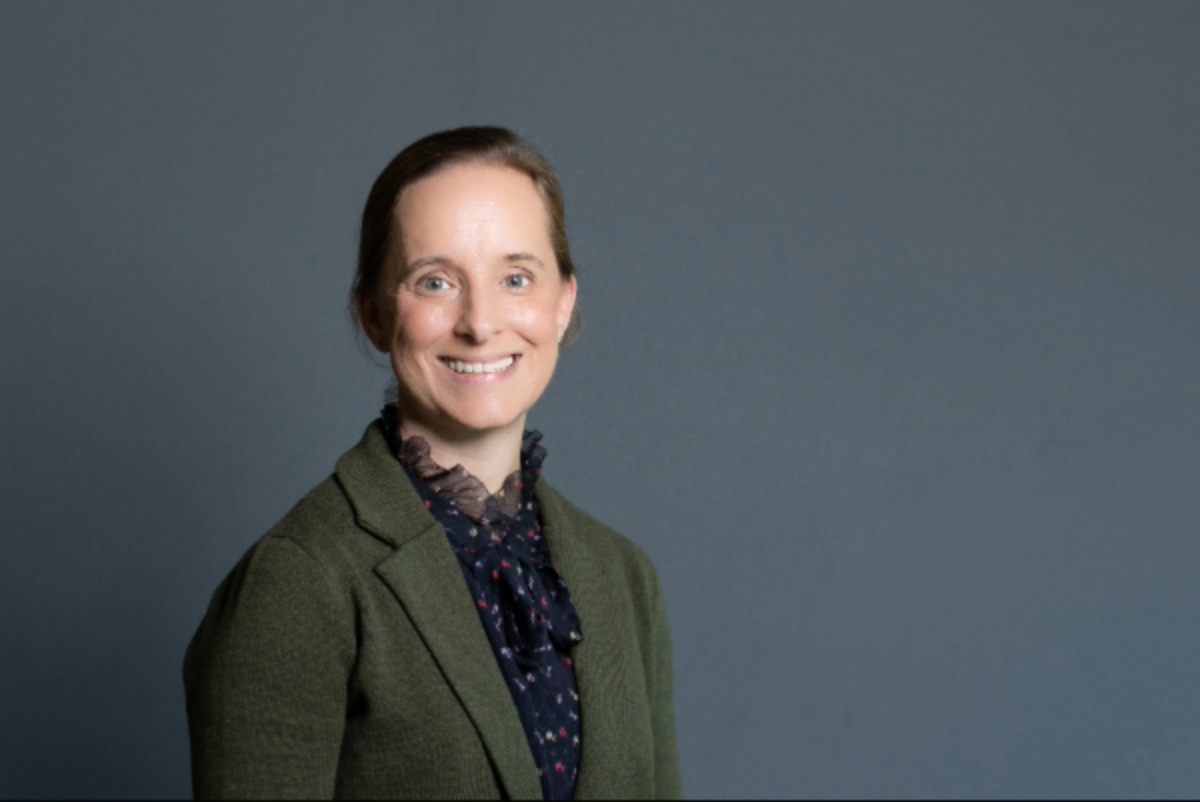 How Laura McLester (MS ‘18) turned three UA System degrees into a calling in Digital ForensicsLaura McLester never set out to “collect degrees like baseball cards.” Before becoming a Teaching Assistant Professor and Digital Forensics Coordinator in the J. Frank Barefield, Jr.