
It is a top-notch program. I'd recommend this program to anybody who wants to improve the rigor of the work they do.
– Tracy Sims (2020 MA in Sociology graduate); Senior Director, U.S. Lead of Chronic Disease Environment Shaping at Eli Lilly and Company
Featured Alumni
-
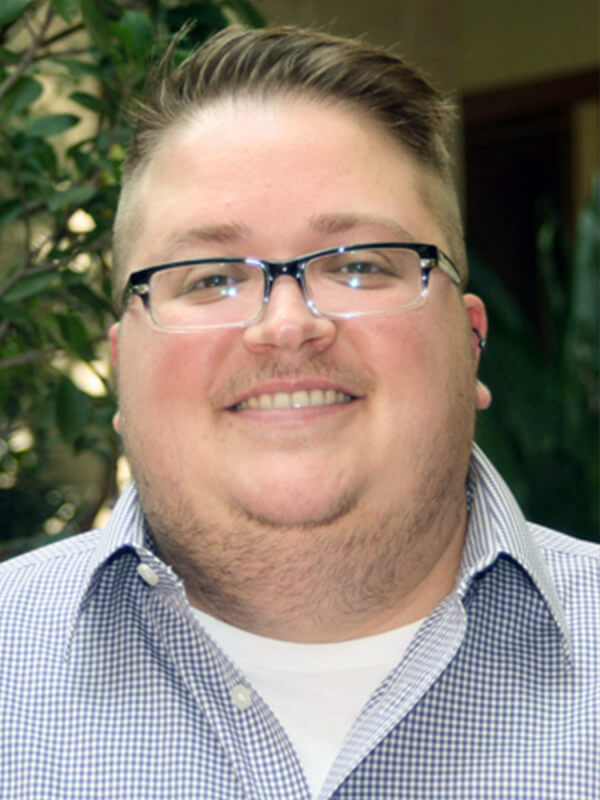
Jay A. Irwin
Jay Irwin (PhD 2009) is an Associate Professor of Sociology at the University of Nebraska at Omaha.
Read more -
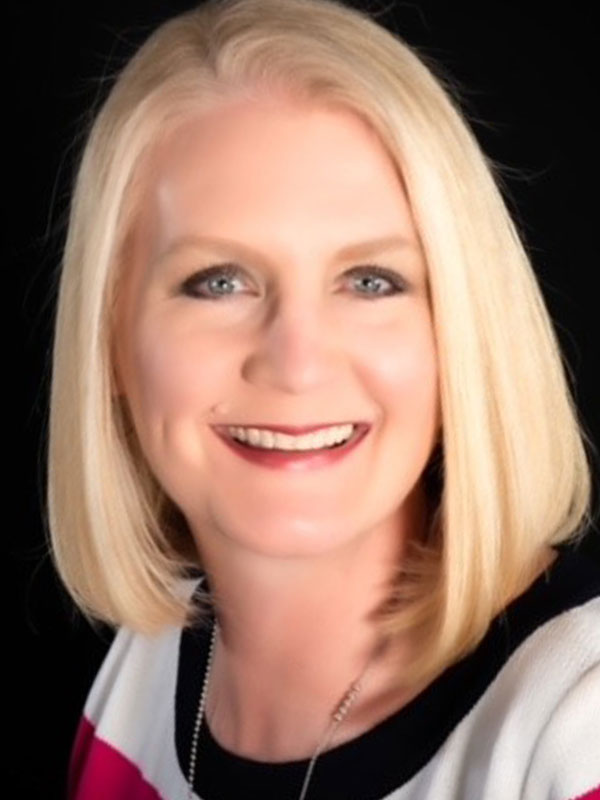
Caroline O. Pardo
Caroline O. Pardo (PhD 2007) serves as President, Continuing Professional Development, at Clinical Education Alliance, as well as holds industry recognitions such as the Fellow Award, Alliance for Continuing Education in the Health Professions, and is a Certified Healthcare CPD Professional.
Read more -

Oluwaseun Temitope (Temi) Emoruwa
Research Interests: Immigrant Health, Colorism, Racial and Ethnic Health Disparities, Social Inequality, and Global Health
Read more -
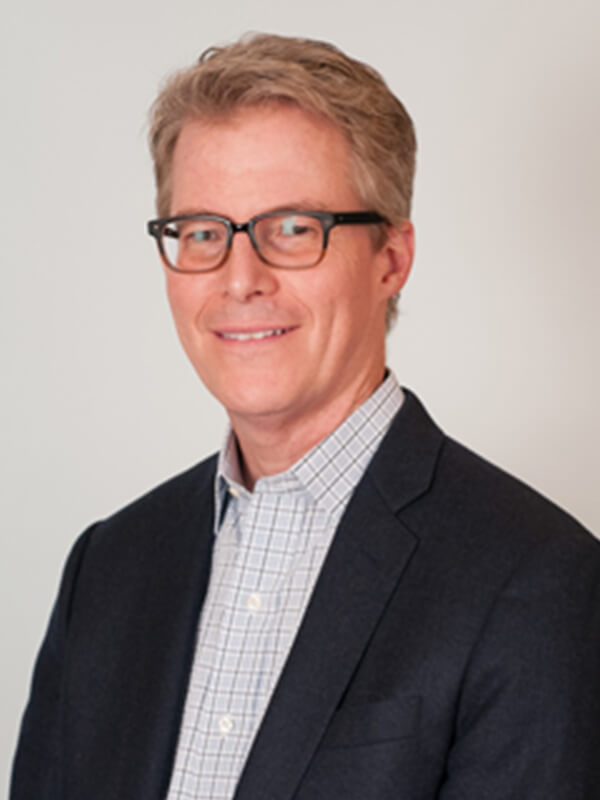
Timothy M. Hale
Timothy M. Hale (PhD 2011) is a Teaching Assistant Professor at University of Illinois Urbana-Champagne.
Read more
Latest News
-
 2026 winners of the College of Arts and Sciences Dean's Award for Excellence in TeachingThe Dean’s Award for Excellence in Teaching recognizes full-time, regular faculty members of the University of Alabama at Birmingham’s College of Arts and Sciences who have demonstrated exceptional accomplishments in teaching. The Dean’s Award for Excellence in Teaching recognizes full-time,...
 -
 How Macey Taylor made time for music and an MA in SociologySince 2005, Birmingham native Macey Taylor has worked as a professional touring musician performing with various artists across the globe.
 -
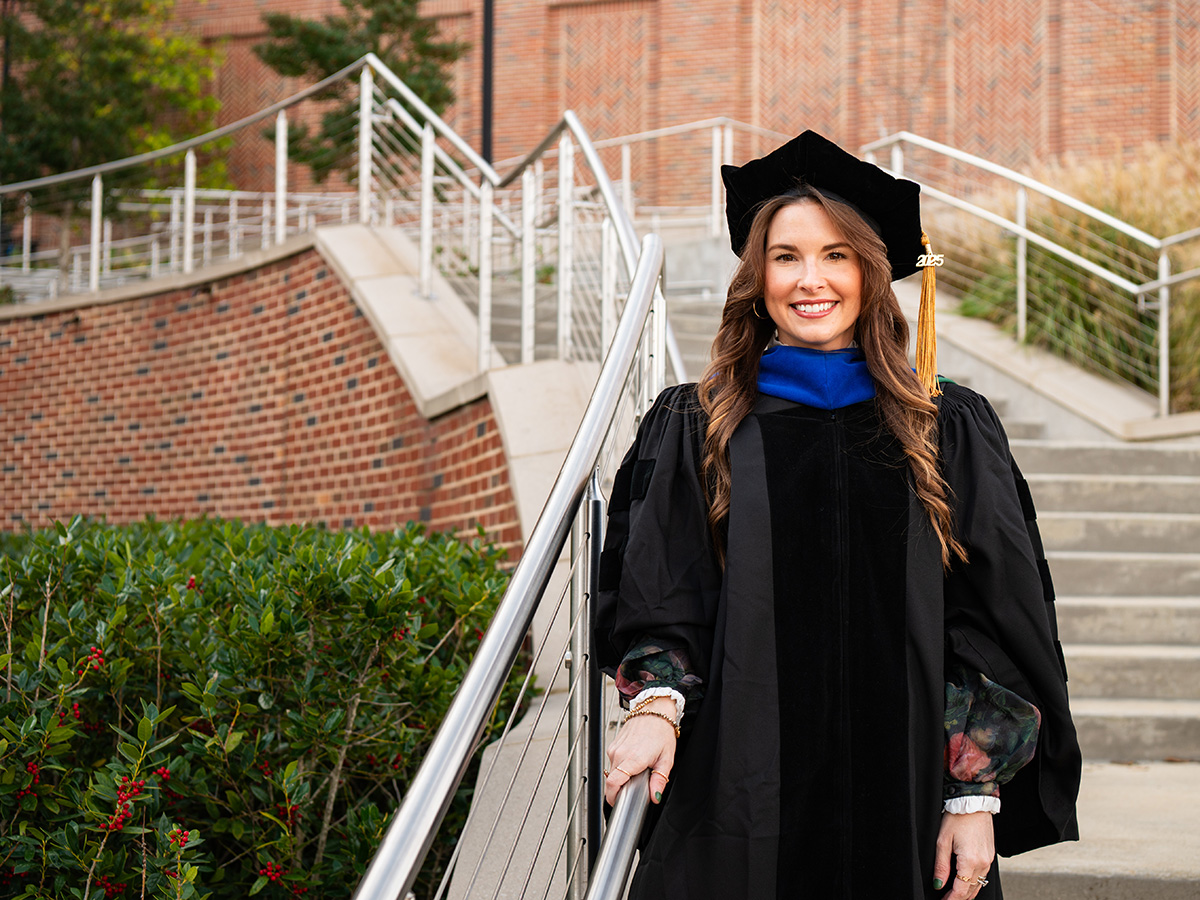 Small town to soaring heights: UAB social worker’s pursuit of excellence and faith leads to graduation with a Ph.D.Earning a Ph.D. will add to Brittany Nicole Stewart’s already decorated educational journey — three master’s degrees.