Diabetes and Gum Disease: How Oral Health Affects Blood Sugar
 If you have diabetes, managing your blood sugar is an important part of protecting your overall health. What many people do not realize is that gum disease is one of the most common and preventable complications associated with diabetes.
The relationship works both ways. Diabetes can increase the risk of gum disease, and untreated gum disease can make it more difficult to control blood sugar levels.
High blood glucose levels can contribute to inflammation throughout the body and reduce the body's ability to fight infection, including infections affecting the gums and supporting bone around the teeth. Elevated glucose levels in saliva can also create an environment that encourages bacterial growth and plaque buildup, increasing the risk of periodontal disease.
Mia Geisinger, D.D.S., M.S., a periodontist and nationally known oral health expert says understanding this connection is an important step toward preventing serious oral and overall health complications.
How diabetes affects gum health
People with diabetes face a higher risk of developing gum disease because of increased inflammation and changes in the body's response to infection.
"Early symptoms of gum disease include swollen or bleeding gums, loose teeth, persistent bad breath, and receding gum lines," said Dr. Geisinger. "When left untreated, it can progress to periodontitis, a severe infection that damages the bone and tissue holding your teeth in place, which can ultimately lead to tooth loss."
Over time, periodontal disease can affect both oral health and quality of life, making prevention and early treatment especially important for patients living with diabetes.
How gum disease affects diabetes
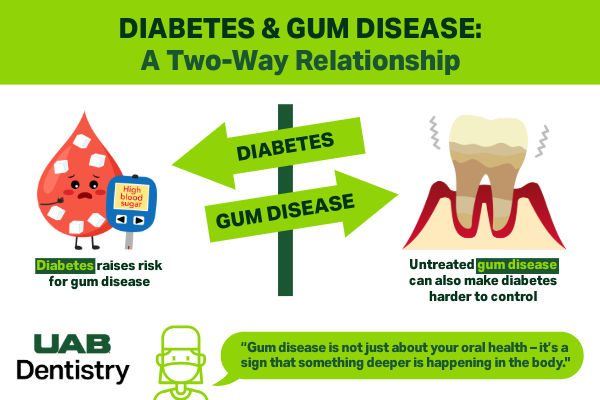 See text alternative for infographic The connection between diabetes and gum disease is not one sided.
Inflammation and infection caused by untreated gum disease can make it more difficult for patients to manage blood sugar levels effectively. This ongoing inflammatory response can contribute to challenges in diabetes management and overall health.
Dr. Geisinger encourages patients to view oral health as an important component of diabetes care.
"Gum disease is not just about your oral health. It's a sign that something deeper is happening in the body," said Dr. Geisinger. "We often see that once we address inflammation and infection in the mouth, patients also experience better blood sugar control."
The importance of preventive care for patients with diabetes
At the UAB Dentistry Periodontics clinic, providers work closely with patients to identify risk factors early and develop personalized treatment strategies.
Patients with diabetes may benefit from comprehensive periodontal evaluations, deep cleanings, risk assessments, and customized home care recommendations. Advanced diagnostic tools, including digital imaging technologies, can help detect problems before they become more severe.
These preventive approaches support both oral and systemic health and help patients stay ahead of potential complications.
Diabetes management and protecting your oral health
Dr. Geisinger says prevention remains the most effective tool for reducing the risk of gum disease.
"Preventive care is the most powerful tool we have," said Dr. Geisinger. "That includes brushing twice a day, cleaning between your teeth daily, and attending routine dental checkups. Patients should also let their dentist know if they've been diagnosed with diabetes, have risk factors for diabetes, or have noticed any symptoms such as dry mouth or mouth sores."
Good daily oral hygiene, regular dental visits, and early treatment of periodontal disease can play an important role in protecting both oral health and diabetes management.
Diabetes and periodontal care
If you are living with diabetes, regular periodontal evaluations can help identify signs of gum disease before they become serious.
Taking care of your gums is an important part of taking care of your overall health. Understanding the connection between diabetes and gum disease can help you protect your smile and support better long-term health outcomes.
About UAB Dentistry Periodontics
UAB Dentistry Periodontics provides specialized care for gum disease, gum recession, dental implants, and other conditions affecting the gums and supporting structures of the teeth. Located in Birmingham's UAB Medical District, our periodontists use advanced imaging and treatment planning technology to deliver high quality, personalized care. Call to schedule a consultation or learn more about protecting your oral health.
Book an Appointment: (205) 934-4551
Article Attribution
Written by: Edlyn Olmos
Medically Reviewed by: Mia Geisinger, D.D.S., M.S.
More Patient Education
Periodontal Disease: Warning Signs, Health Risks, and Prevention
Can You Skip the Dentist? Why Regular Dental Checkups Matter
Tooth Decay and Cavities: Symptoms, Treatment, and Prevention