Alabama appears to be on the tail end of the omicron COVID-19 surge after case numbers and hospitalizations spiked in January as the contagious variant spread rapidly through the population.
The surge stretched hospital capacity, but it also stretched the capacity of primary care clinics, highlighting some important gaps that need to be addressed as health care leaders plan for the future of primary care in Alabama.
We asked Irfan Asif, M.D., chair of UAB’s Department of Family and Community Medicine, associate dean for primary care and rural health and head of UAB’s primary care service line, about what omicron can teach us about primary care in Alabama. Several programs in the Department of Family and Community Medicine, including the Comprehensive Urban Underserved and Rural Experience program, or CU2RE, aim to increase the number and quality of primary care providers in Alabama, providing more health care coverage in urban and rural underserved areas.
Q. What did the omicron surge tell us about the state of primary care in Alabama?
A. Initially, much of the thought around COVID focused on people who were being hospitalized, which was certainly a terrible problem. Everyone was intent on figuring out how we could help those who were hospitalized and at risk of death, and that remains a concern. However, as the disease mutated into the omicron variant, it became less lethal but infected more individuals. That is when it starts to become a problem for those outside of the hospital. This latest surge really taxed our primary care system, whether it was people visiting their primary care doctor for a milder case, people leaving the hospital or emergency room who need follow-up care, or staff members and providers getting sick. We don’t have enough access to primary care in Alabama, or enough primary care providers, and this surge made that clear.
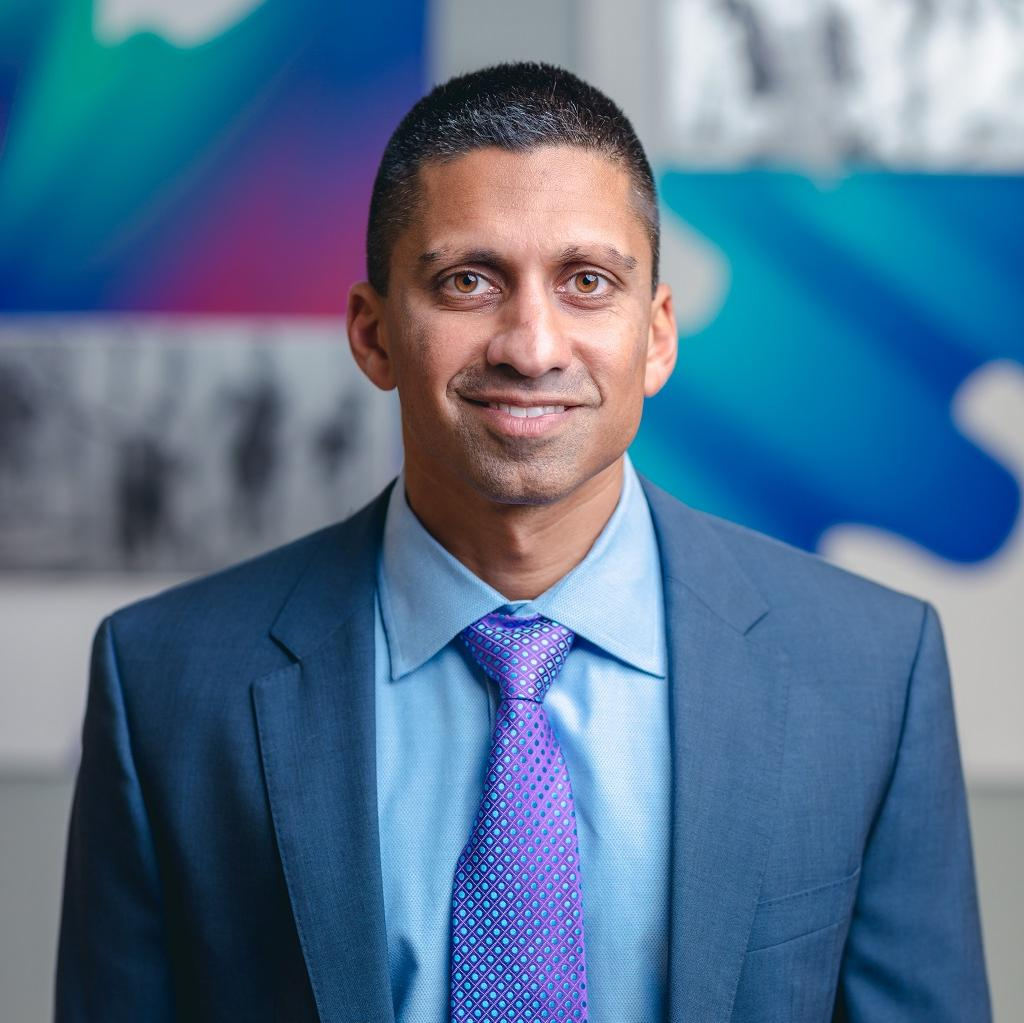 Irfan Asif, M.D.
Q. Which trends worried you the most?
A. Lack of access, especially in rural and urban underserved areas, is a huge concern. On the staff side, burnout is also a big worry. The joy of primary care is being lost because people are working so hard. During this latest surge, so many people were infected that staff were out as well and the system was really taxed because people were working 150% all of the time, on top of this chronic two-year COVID battle.
Q. How can we combat burnout?
A. This is something I think about often. One thing we can do is make sure that burnout is an open part of our conversations. A lot of people do not actively think or talk about burnout. We have to do that. We have to make sure it is ok to use as part of our vocabulary, and that we are openly assessing burnout. UAB has some tools to do that with our faculty and staff, such as a well-being index that helps people self-assess their mental health and discuss it with colleagues and supervisors. We need to have those conversations and, especially as leaders, understand where our people are and what they are facing. We also need ways to build people up. In our department, that might look like the new Kudoboard we just launched (an online board for sharing congratulations, thanks, photos, kudos and other encouragement) or programs like our Wellness Walks, which encourage faculty and staff to take breaks for exercise and time outside. Communication is also critical, because in COVID we are all particularly stuck in our silos – or little Zoom boxes. We need to prioritize reaching out to each other and getting creative, even when circumstances make it more challenging.
Q. What good signs or encouraging trends have you seen even as omicron?
A. Providers and staff came up with some creative solutions using things like telemedicine in ways we had not done in the past, or trying to implement remote patient monitoring. We were able to lean on those techniques more effectively in this most recent surge, as opposed to the first COVID surge where we were still adapting to telemedicine.
However, it is important to remember that telemedicine brings its own concerns, particularly related to health disparities. Not everyone has reliable access to broadband internet, so some patients might have to have phone visits rather than video visits. That could impact the level of care we can provide.
Q. How can we address some of the gaps that omicron exposed?
A. On the workforce development side, we need to figure out how to bring back the joy of primary care so that health care workers are not as burnt out and we can accommodate patients that come in with appropriate access. In my view, that needs to be not just a patient and one provider, but a team of providers – nurses, doctors, advanced practice practitioners, pharmacists, social workers, nutritionists, psychologists, etc. – working together to provide that access. We need to put that team-based structure in place and create an education system that prepares a workforce that will want to go and take these jobs.
I think CU2RE is an important part of that mission, as is the Alabama Statewide Area Health Education Centers (AHEC), housed in our department. These initiatives are working to train students in team-based care and help them to recognize health disparities and identify creative solutions. We have to model those kinds of practice transformation efforts for our students. If they learn an older model of primary care and step into a world that needs a new model, they will not be prepared.
Q. As you consider the future of primary care in Alabama, and a strategic plan for that future at UAB and beyond, how has COVID factored in or shaped your thinking?
A. From a UAB side, this is a massive effort. We are working to focus attention on primary care, and that was true before COVID. However, COVID certainly exacerbated some of the issues we were seeing and added urgency to the situation. I am looking forward to working with health care leaders to build a primary care strategic plan for Alabama. The time is right and we need to get started right away, as bringing our vision to fruition will require considerable time and effort from a lot of people.