Providing the best possible primary care to all Alabamians, regardless of their circumstances, is essential to our mission as a department and to the larger mission of the UAB Heersink School of Medicine.
In addition to his role as chair of the Department of Family and Community Medicine, Irfan Asif, M.D., serves as the associate dean of primary care and rural health and director of the UAB Medicine primary care service line that feeds into the Alliance with Ascension St. Vincent’s and UAB Medical West.
These roles give Asif a broad window into the state of primary care in Alabama and the challenges and opportunities that lie ahead. Here’s what he had to say about the progress made in 2021 and big goals for 2022 and beyond.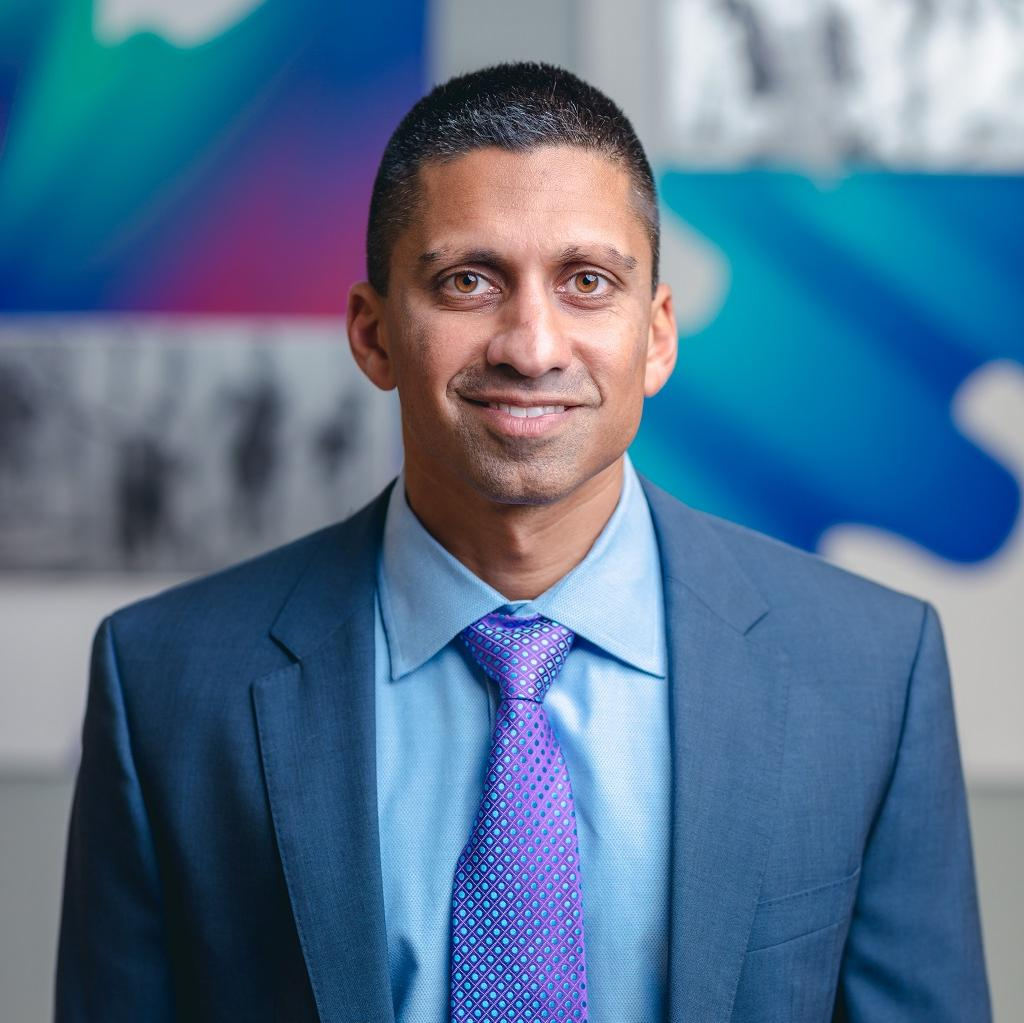 Irfan Asif, M.D.
Q. What are some of your most important goals when you look at primary care at UAB and in Alabama?
A. I want to reach out across the state, particularly when it comes to connecting with primary care practices, and help them improve care for the patients they serve. Additionally, I would love to educate future generations of family medicine physicians with their help. I want to find ways to work together to recruit more primary care physicians to our state, a critical area of need for Alabama. These are big goals, with big challenges, that require as many people as possible to work together.
Q. What are some of the biggest challenges primary care providers are facing in Alabama?
A. Broadly, preventative medicine is not where it should be, which of course leads to more disease. There is also a significant shortage of primary care physicians in Alabama. A study from the Robert Graham Center projects that Alabama will need 612 new primary care physicians by 2030 just to maintain the status quo. Some of the shortage stems from an increase in demand, as providers care for an aging population with high rates of chronic disease. Some of it is a supply issue, as many physicians are either retiring or becoming burnt out as they need to care for more and more patients.
As a state, Alabama also ranks among the worst in the U.S. in rates of diabetes, heart disease and chronic diseases, and in issues like mental health care. We are focused on designing community programs around those concerns, whether that is our Exercise Is Medicine partnership with the YMCA, which helps patients work toward a healthier lifestyle, or our genomics program, which helps us predict who is most at risk so that we can intervene.
Q. Looking back at 2021, what were some exciting developments you saw in primary care at UAB?
A. There is a lot to be proud of. We have increased the number of patients that we are seeing and the number of ways that we are meeting patient needs. This effort has been led by our new department Vice Chair of Clinical Affairs, Erin Delaney, M.D. Tied to this, we are incorporating many of our research efforts into our clinical services. This includes a unique genomics program that has begun to identify the diseases people are at risk for, as well as the medications that might be most effective for treating a particular disease.
Finally, we are expanding our educational offerings through our Comprehensive Urban Underserved and Rural Experience (CU2RE) program. CU2RE is incredibly exciting, as it doubled its student intake this year, received $5.2 million in HRSA supplemental funding and is helping us build partnerships across the state. We are also continuing to build partnerships in the community, whether through the Exercise Is Medicine program with the YMCA or participation with great organizations like Be a Blessing Birmingham.
Q. Looking ahead, what does success look like to you?
A. A big metric is increasing the number of students who go into primary care, including family medicine, internal medicine and pediatric care. We will continue building collaborations with those departments and with all four UAB campuses.
Increased research funding in the department is another important measure of success, as we continue to find ways to deliver better patient care through research. I also hope to continue to bring more and more people together in health care teams – physicians, but also pharmacists, dieticians, social workers, psychologists and others – and teach students to work well within those care teams. Another important question is how we can use innovative models, such as telemedicine, to increase patient access.
Of course, the most important measure is changing health outcomes. Our work is designed to reduce poor health outcomes in the state and help more and more patients live healthier lives, and that is the ultimate measure of success.
Q. Part of your role focuses on rural health. What are some challenges and opportunities in rural health care in particular?
A. Disparities exist in many areas, but there are certainly disparities in rural health care. In Alabama, shortages are most acute in rural areas, exacerbated by hospital closures and a lack of physician access.
We are working to address these concerns in several different ways. For example, we received a $5 million grant in October from the Center for Medicare and Medicaid Services’ Community Health and Rural Transformation Model, or CHART, to improve access to quality care in rural communities and increase the use of value-based care models, which incentivize disease prevention strategies.
We are also focused on recruiting providers to rural areas, through programs like CU2RE and partnerships with Alabama Health Area Education Centers (AHEC). We want to build and strengthen mechanisms to attract students from rural areas and train students in rural areas, with the hope that one day they will practice in those areas.
Q. On a personal note, what do you enjoy about this work? What keeps you motivated?
A. I like working with people, I like making an impact and I like the challenge of building programs and, hopefully, seeing them grow and be successful. Those are the things that drive me. I also appreciate that UAB as an institution has been very supportive in our mission to improve primary care, allowing us to grow as a department and in our primary care services. Being in an environment that fosters growth and development in primary care has been very enjoyable.
Personally, I also believe strongly that daily lifestyle adjustments and physical activity can help people reach their health goals and, sometimes, prevent the need for a lot of medication or intervention. Patients come into our clinic, of course, but that is only a small snippet of their lives. It is what they do outside of our clinic – the health choices that they make every day – that really affects their overall health. If we can help them make healthy choices in their daily lives, that is the best way to support long-term change. That is the mindset that I bring to my work and that I enjoy.