Department of Family and Community Medicine team members are leading two elective courses relating to teaching and interprofessional practice as a part of the Heersink School of Medicine’s spring 2022 curriculum. These courses allow students to hone in on their interests and explore new ideas related to their future medical careers.
Teaching in Medicine
Michael Wiederman, Ph.D., professor and director of the department’s Office of Leadership and Professional Development leads the course “Teaching in Medicine”. Wiederman teaches this course to 20 students, including students in their second, third and fourth years of medical school. The course helps students understand the importance of teaching in the classroom and inpatient and outpatient clinical settings.
The course includes brief readings and videos for students to review before the virtual class session, where Wiederman leads discussions and puts students into breakout rooms for small group conversations and activities.
“It is this adult learning theory idea that we take the most value from something when we apply it to ourselves, we have a chance to discuss it and we think about what's most relevant to us,” said Wiederman.
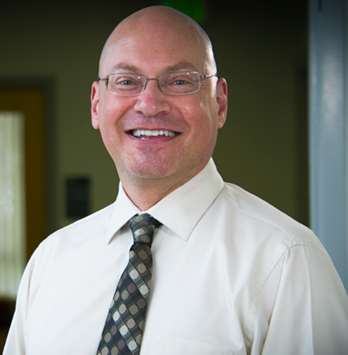 Michael Wiederman, Ph.D.
Wiederman said that most of his students are interested in working with learners in their future careers. This course will help them later during residency, when they will be teaching medical students, he notes.
“I've been very impressed with how involved and invested these students are in becoming better teachers, even at this early stage of their career,” said Wiederman. “I think I’ve made them more aware as learners about what works and what doesn't work.”
Even if these students do not go into teaching, this course has made them better at learning what they need to do to prepare for interactions with learners. Wiederman notes this course is like peeling back a curtain and showing the students a behind-the-scenes view of what good teachers should be thinking about and why they include certain instructional methods such as case-based, lecture, gamification or simulation learning.
Hana Habchi, a student in the Department of Family and Community Medicine’s Comprehensive Urban Underserved and Rural Experience program, is in Wiederman’s course this spring. Habchi said the course helped her learning and development.
“Dr. Wiederman’s class has opened my eyes to the many different strategies that exist in education,” Habchi said. “Our group’s discussions have revealed just how impactful our instructors' teaching decisions are on our learning. In many ways, it has helped me be a better student. It feels like we are getting a behind-the-scenes look at course design."
Foundations of Interprofessional Practice
In addition to Wiederman’s course, Kala Dixon, Ph.D., director of the Office of Interprofessional and Continuing Education, is teaching “Foundations of Interprofessional Practice” this semester. This course focuses on the foundation of interprofessional practice – through modalities of conceptual application within team-based model building projects.
Each week the students focus on a different topic, adding another element to their “clinic model” that they are designing as a team. There are 11 students in three groups creating their own clinic model on a platform called "Edu Blog." Each group manages their clinic blog housed within the course blog, which is operated by Dixon.
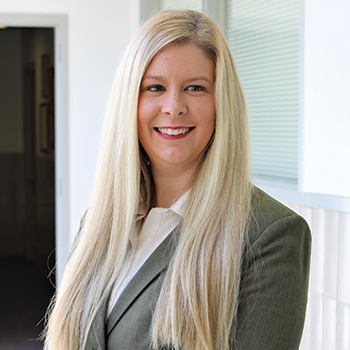 Kala Dixon, Ph.D.
This course includes required readings prior to coming to the virtual lesson, where Dixon lectures about Interprofessional Education Collaborative (IPEC) principles and leads roundtable discussions. During the final hour, students split into breakout rooms with their designated groups to focus on that week’s topic and blog post.
The first few classes consist of students layering in the basic foundations of clinical structure from a provider standpoint. Their clinics included physician assistants, medical practitioners, medical assistants, several technicians, dieticians, social workers, and pharmacy. They focus on the building blocks of interprofessional practice instilled within the IPEC core competencies, including roles and responsibilities, teamwork, valuing ethics and communication. Additionally, students also layer in aspects of clinic structure and operation related to creating their clinic’s mission, vision, and value statements, clinic policies, regulations, clinic funding, interprofessional team training, employee performance evaluation systems, and patient feedback surveys, to name a few.
Dixon notes interprofessional practice is similar to constructing a house. Each structure of a house serves a different purpose, but together they make the house whole. However, when clinic members form strong, trusting relationships with one another they can transform their “house” in a “home.”
In addition to clinic operations, each week students also incorporate elements regarding: interprofessional team structures, communication strategies, overcoming team barriers, IP training, the impact of interprofessional practice, discharge planning, and comparing IP models with peers in weeks 13 and 14.
“The students seem to thoroughly enjoy learning about the different layers of clinic structure in how clinics operate on a day-to-day basis,” Dixon said. “And so far, it's doing really well.”
Once the students have completed the 13 weeks, they are going to present their clinic models to their other classmates via their designed clinic website, which will have all incorporated elements created within their “Edu Blog.” Students will discuss what they learned throughout the process, what they struggled with and how important other professional roles are within the clinic.
Dixon plans to offer this course in the fall and in the future get other students of different professions (health care admin, dietician, nurses etc.) enrolled in this course to add numerous perspectives to the discussion.
These courses are providing future medical leaders valuable skills and experiences in team-building, patient-provider relationships, community engagement and instructional design. For more information about how the Department of Family and Community Medicine is working to empower medical students, visit our website's education section.
Written by: Kenia Hernandez