Radiation Oncology
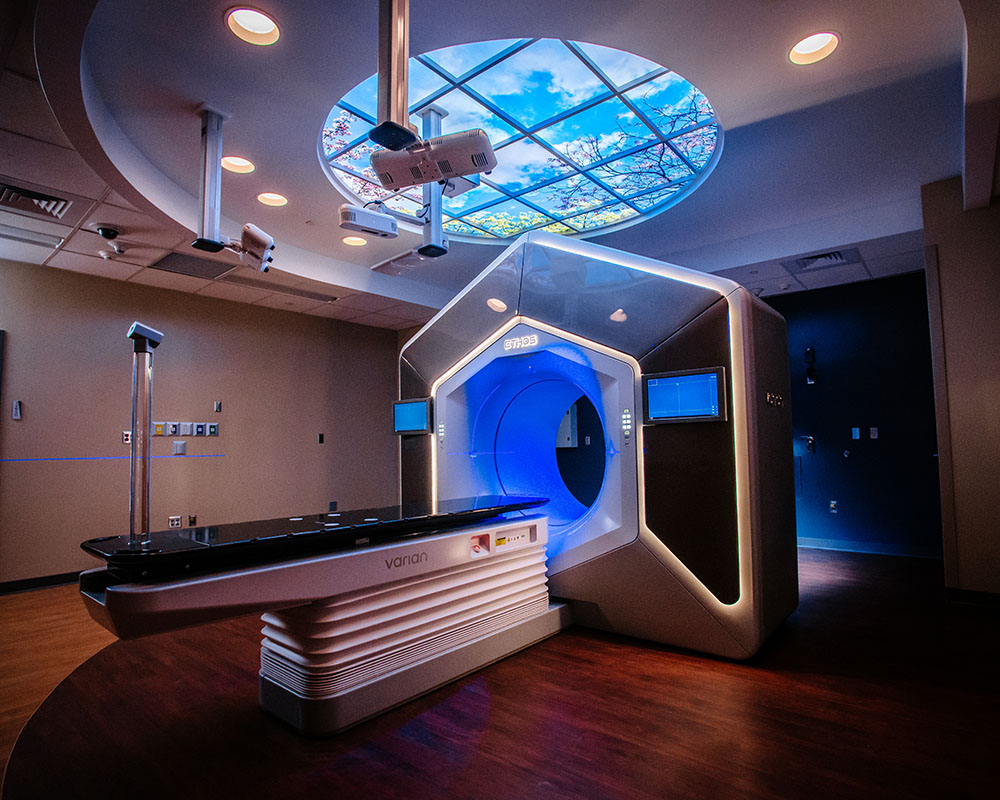
Our Programs
Preparing the next generation of physicians and scientists
We're dedicated to nurturing and guiding the future generation of physicians and physician-scientists, recognizing that our trainees are the cornerstone of our nation's healthcare system.
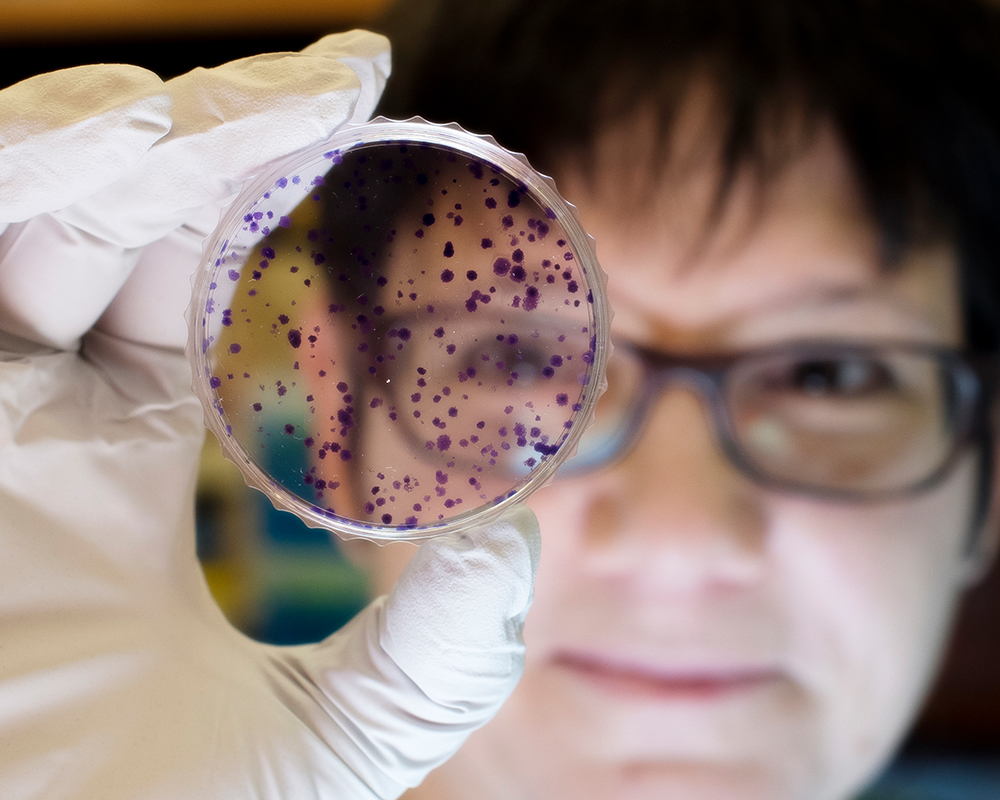
Our People
Home to leading experts and distinguished scholars
Our faculty, staff, and trainees play an exceptionally critical role in shaping the future of healthcare through their expertise in education, research, and clinical practice.
Latest Department News and Updates
-
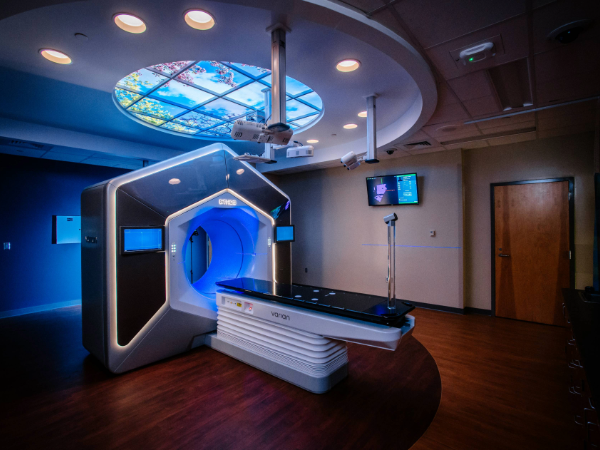 Understanding modalities: Adaptive radiation therapyApril 9, 2026

Every gift helps us make a difference
Support the critical work of our faculty, staff, and trainees so we can continue providing the highest level of care to our patients and make breakthroughs in research and discovery.