
Workshops & Certificates
Request common Canvas course tasks like add/remove users, cross-listing, course copy, sandboxes, and templates using the appropriate forms.
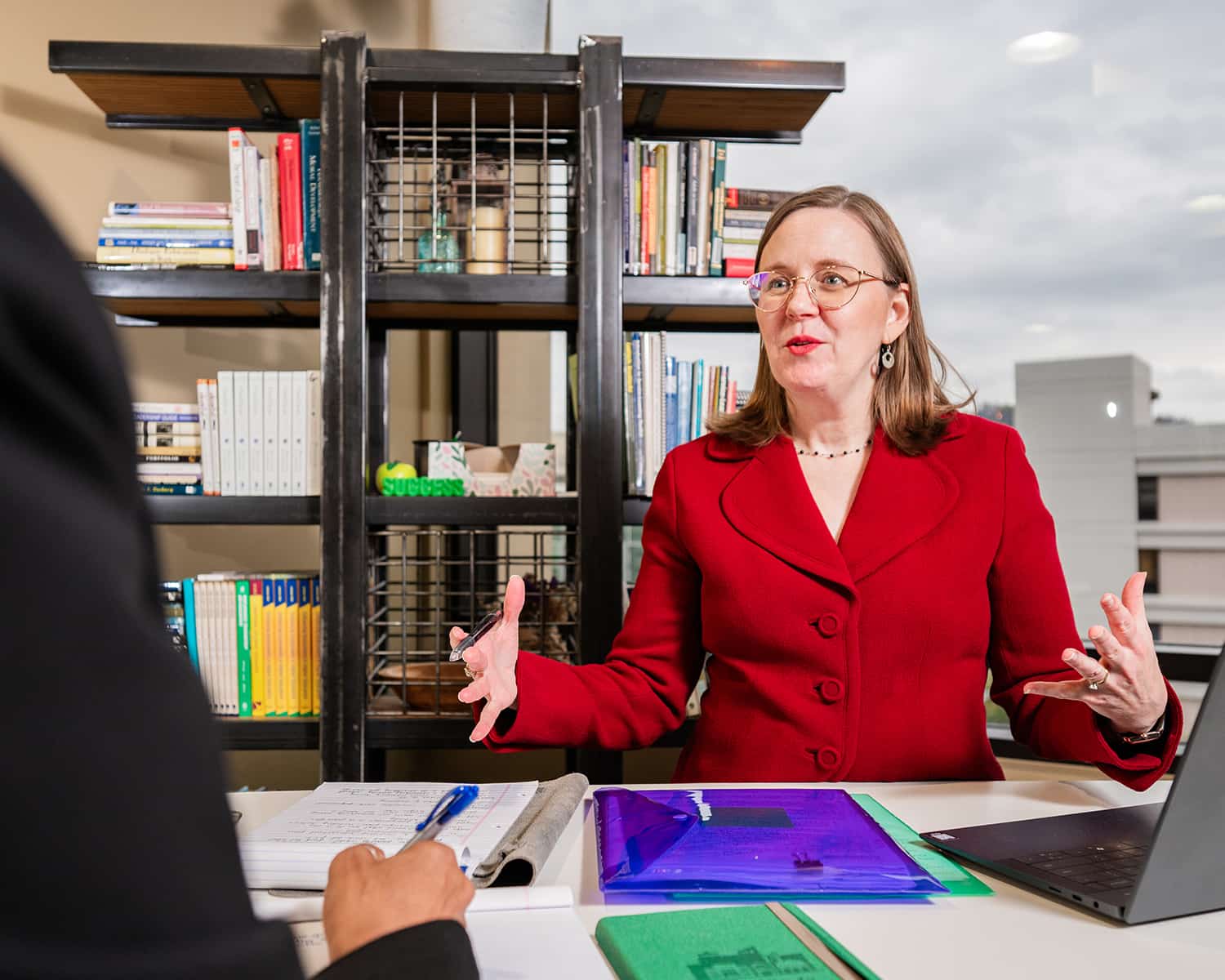
One-on-One Consultations
Personalized, one-on-one consultations designed to support instructors at every stage of their teaching journey.
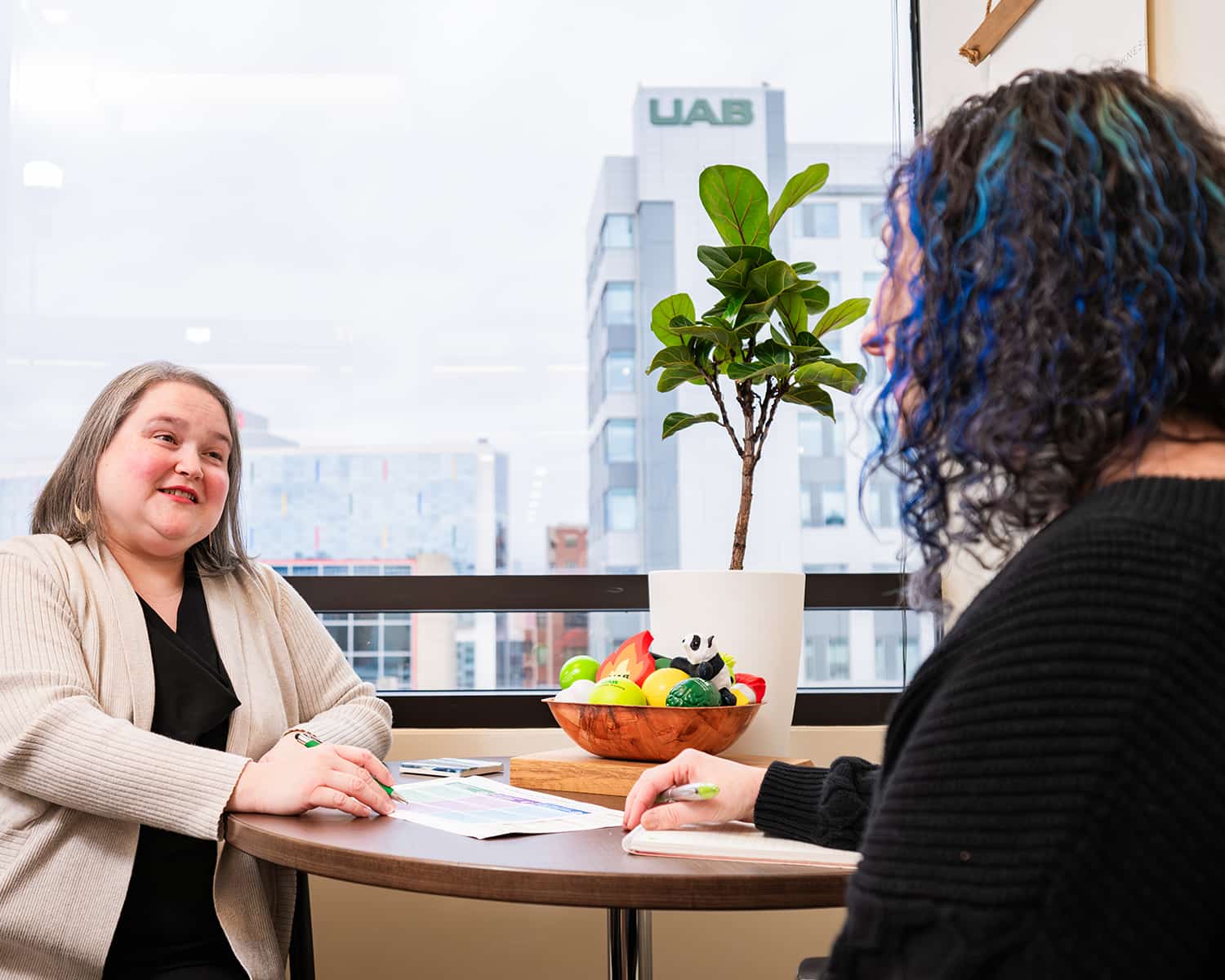
Instructional Design
Work with an instructional designer to build or improve face-to-face, hybrid, and online courses.
Recent News
More news
Upcoming Workshops
More workshops-
JUN17
Content Accessibility Basics
Wed, Jun 17 · 9:00 AM – 10:00 AM -
JUN23
Accessibility Drop-In Help at the CTL
Tue, Jun 23 · 9:00 AM – 12:00 PM -
JUN24
Content Accessibility Basics
Wed, Jun 24 · 10:00 AM – 11:00 AM -
JUN24
Accessibility Drop-In Help at the CTL
Wed, Jun 24 · 1:00 PM – 4:00 PM -
JUN25
Content Accessibility Basics
Thu, Jun 25 · 2:00 PM – 3:00 PM -
JUN26
Global Awareness: Intro to Teaching with COIL
Fri, Jun 26 · 12:00 PM – 1:00 PM -
JUL8
CTL LIFT Summer Seminar
Wed, Jul 8 · 10:00 AM – 2:00 PM -
JUL17
Accessibility: Earn Your Accessibility Teaching Certificate in a Day
Fri, Jul 17 · 8:30 AM – 4:30 PM -
JUL23
Global Awareness: Navigating Global Differences with Intercultural Intelligence
Thu, Jul 23 · 9:00 AM – 1:30 PM -
JUL30
Interprofessional Teams in Healthcare: One Day Intensive Workshop Level I
Thu, Jul 30 · 8:30 AM – 4:00 PM -
AUG13
Accessibility: Earn Your Accessibility Teaching Certificate in a Day
Thu, Aug 13 · 8:30 AM – 4:30 PM -
AUG19
Teaching with Technology: Canvas Gradebook, Part 1
Wed, Aug 19 · 11:00 AM – 12:00 PM -
SEP11
Teaching in 3D: Incorporating Museum Tours into Course Curriculum
Fri, Sep 11 · 10:00 AM – 12:30 PM -
NOV18
Teaching with Technology: Simple Syllabus for the Spring Courses
Wed, Nov 18 · 11:00 AM – 12:00 PM -
DEC2
Teaching with Technology: Canvas Gradebook, Part 2
Wed, Dec 2 · 11:00 AM – 12:00 PM