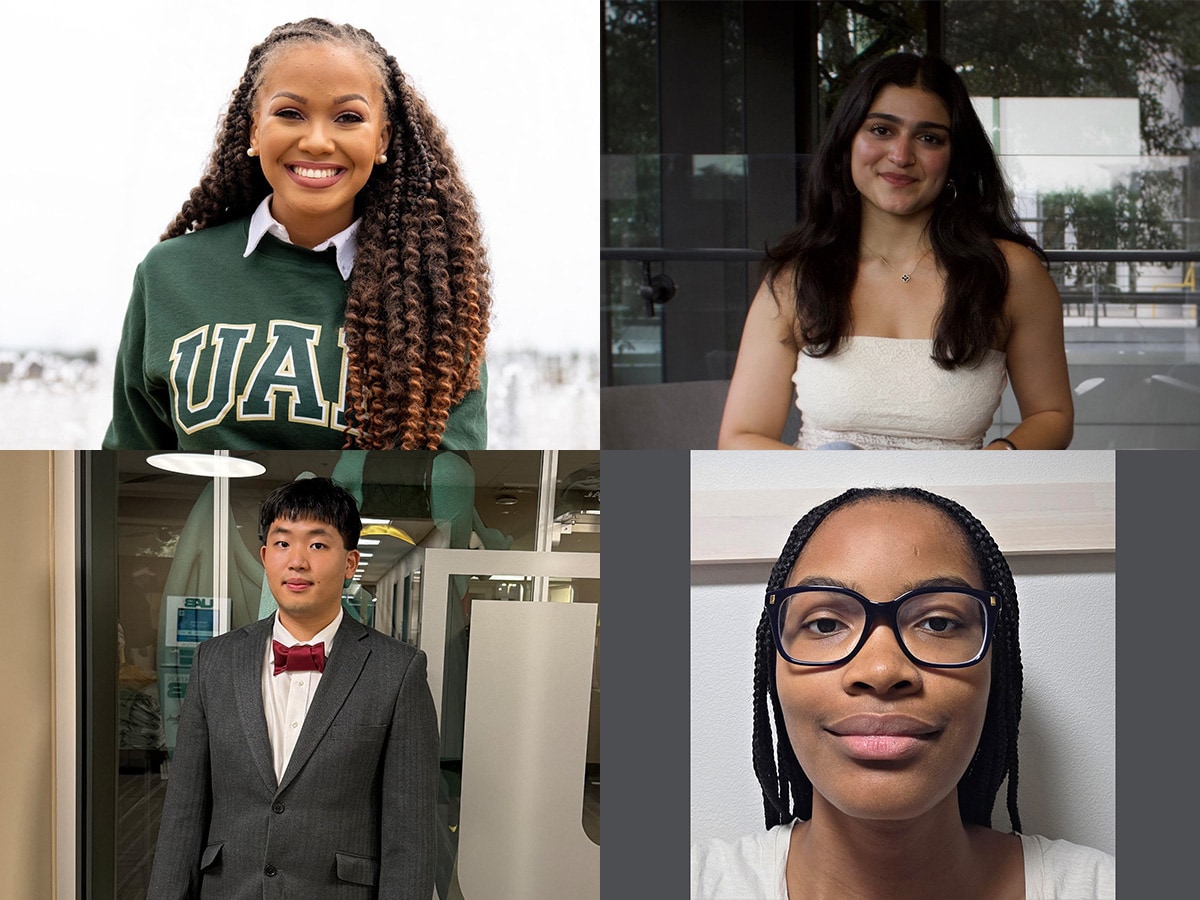
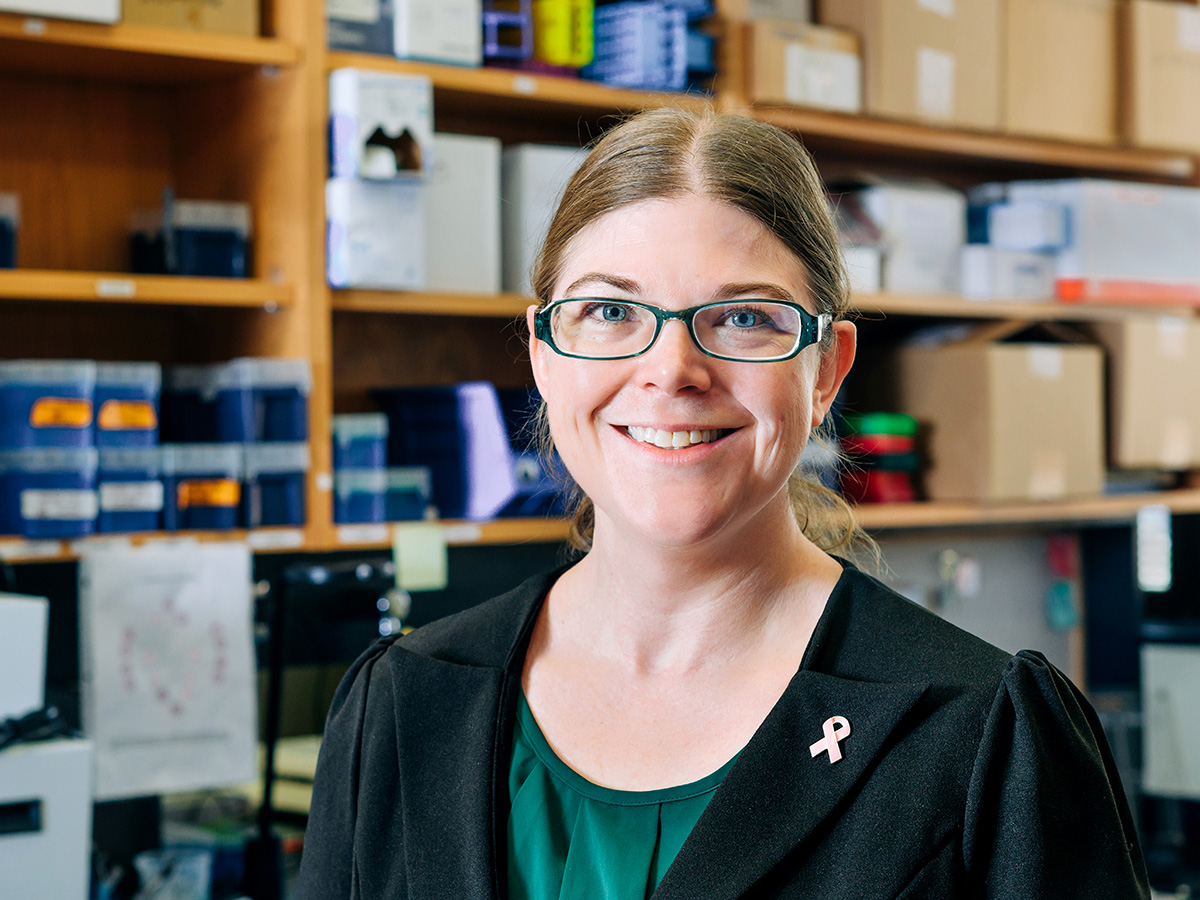
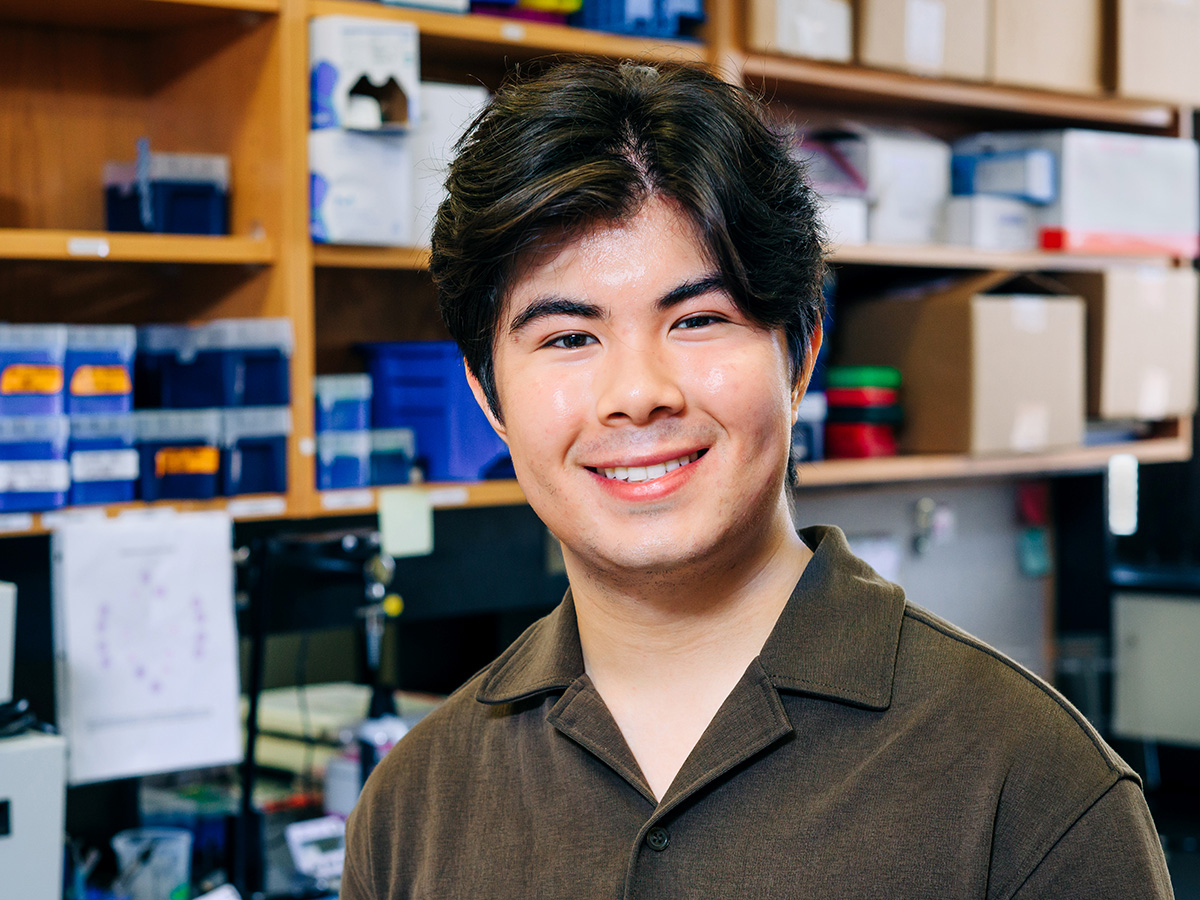
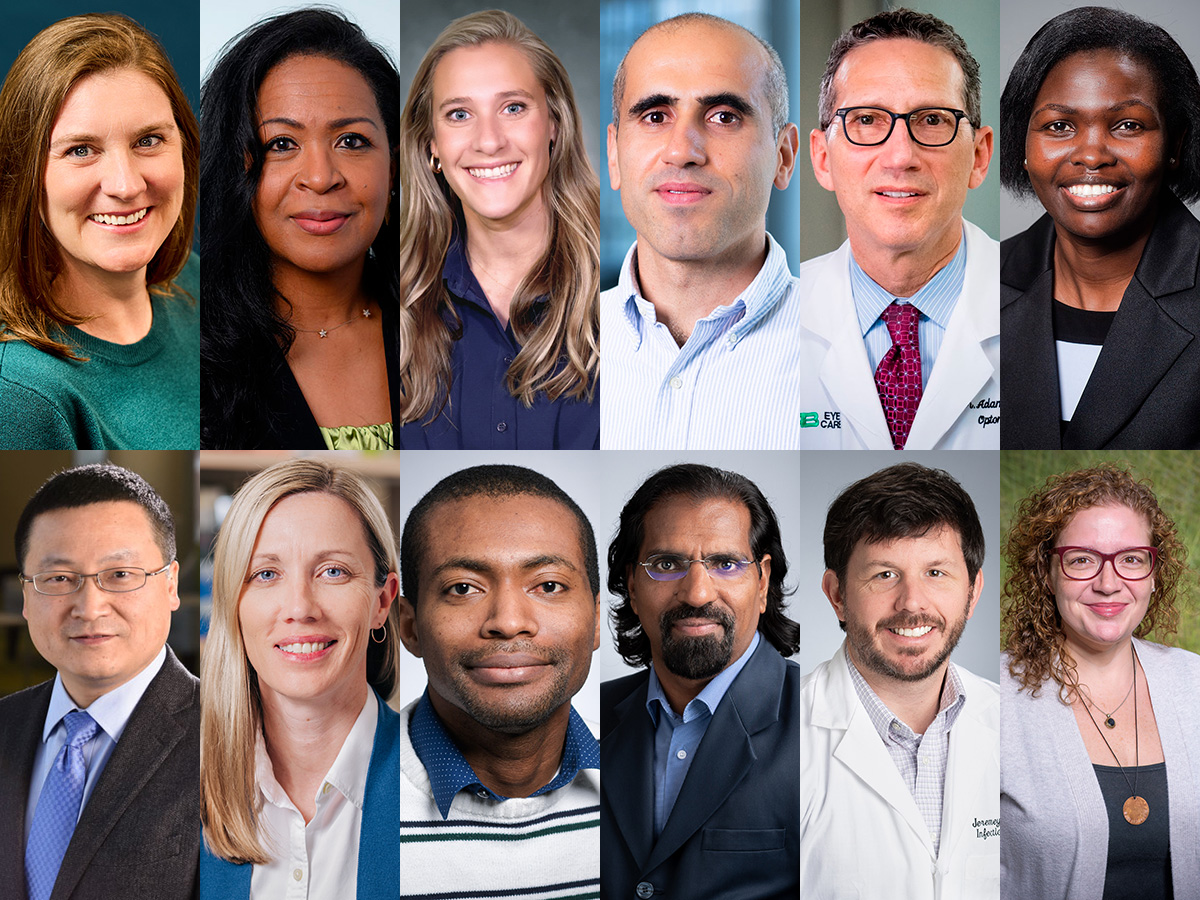
Five University of Alabama at Birmingham faculty members were selected as Honors Faculty Fellows for the 2026-2027 academic year. The new cohort of Honors Faculty Fellows was selected by a committee of UAB Honors College students to implement engaging, yet educational events that extend beyond campus – often on a global level.
The new cohort includes Kristine Hurst-Wajszczuk, D.M.A., professor of Voice & Opera in the Department of Music; Ling Ma, Ph.D., instructor of Chinese in the Department of World Languages and Literatures; Aaron Pahl, digital curation librarian and associate professor in UAB Libraries; Jonathan Roth, Ph.D., assistant professor in the Department of Neurobiology; and Tamika Smith, Ph.D., associate professor in the Department of Health Behavior.
As subject matter experts in their fields, Honors Faculty Fellows will offer honors students experiential learning opportunities that highlight the intersection between neuroscience and religion, wildlife conservation exploration, theatre’s impact on society, cultural literacy through tea traditions, creative AI use, and effective meditation strategies.
Read below to learn how each faculty member plans to execute their fellowship.
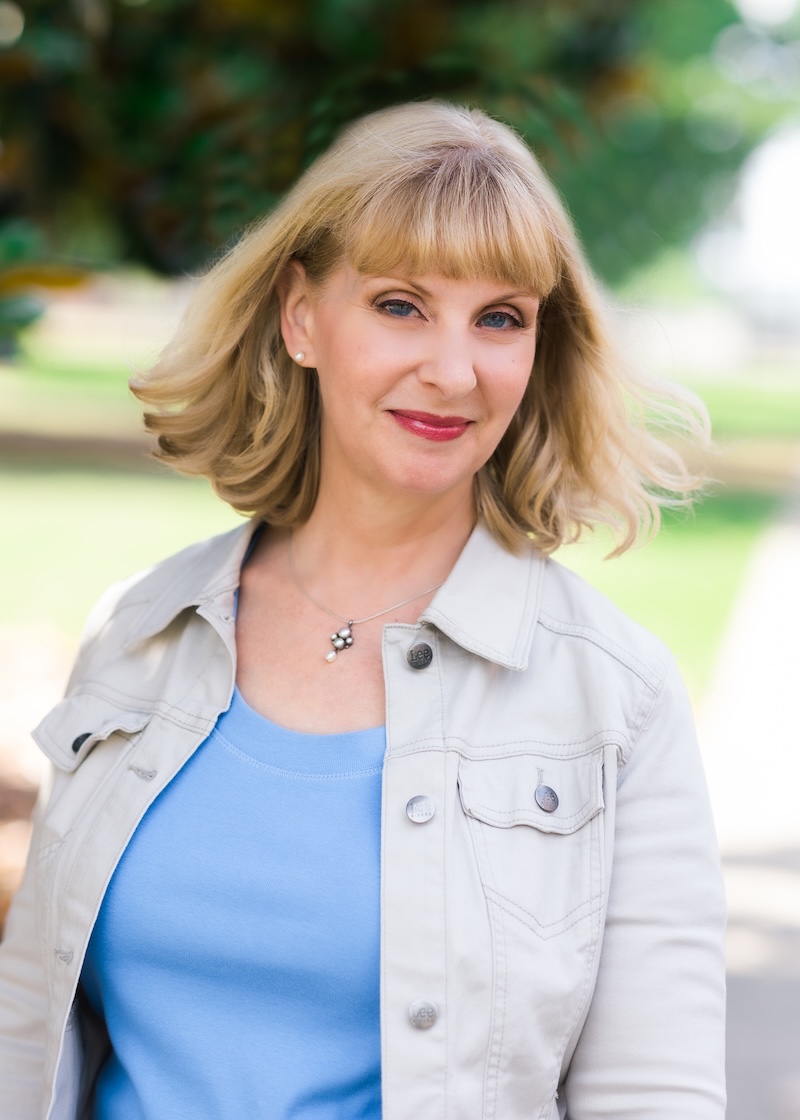
Kristine Hurst Wajszczuk, D.M.A.
College of Arts and Sciences
“The Mindful Student”
Dr. Hurst Wajszczuk’s mindfulness based workshops will focus on stress reduction, emotional regulation, and performance anxiety. Students will be introduced to evidence based practices such as breathwork, guided imagery, and lovingkindness meditation to support well being and academic resilience.
“After serving as the inaugural Associate Dean for two terms, I returned to the Department of Music faculty to reclaim time as a teaching artist,” Dr. Hurst Wajszczuk said. “But the Honors College will always be a second home to me, and just as I am devoted to my music students, so too am I committed to my honors students. Teaching these high-achieving young people the skills to manage stress through meditation skills is one way to contribute to their remarkable lives. And to be honest, I learn as much from them as I hope they learn from me."
Ling Ma, Ph.D.
College of Arts and Sciences
“Cultivating Cultural Literacy Through the Tea Ceremony”
Dr. Ma’s six session experiential humanities program will educate students about the history, chemistry, philosophy, and aesthetics of tea while participating in guided tastings and brewing demonstrations. Using global tea traditions as a lens for cultural literacy, the series will culminate in a student led tea showcase that synthesizes cultural, sensory, and historical insights.
"My interest in becoming an Honors Faculty Fellow stems from the belief that profound learning happens when intellectual rigor meets sensory experience,” Dr. Ma said. “Using tea as a lens connecting botany, history, and philosophy, I aim to guide honors students through both deep analytical thinking and mindful presence. This fellowship offers a dynamic space to act as a facilitator and mentor while refining my ‘living curriculum’. Researching comparative tea traditions directly advances my cross-cultural scholarship and creates a model for future interdisciplinary, global education courses."
Aaron Pahl 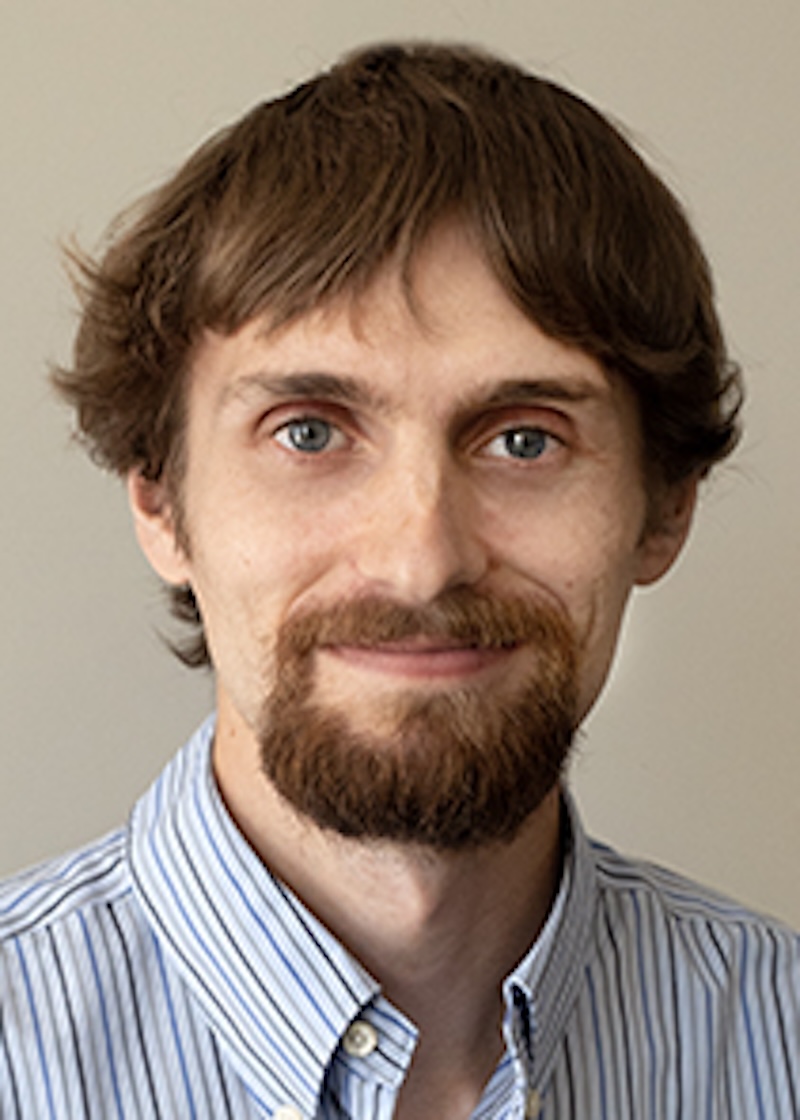
UAB Libraries
“Exploring Birmingham’s Wildlife Wonders”
Professor Pahl’s immersive, conservation focused program will use Birmingham’s environmental institutions as an extended classroom. Students will gain hands on exposure to wildlife rehabilitation, environmental stewardship, and STEM career pathways through visits to on-campus programs and local organizations including Alabama Wildlife Center and Birmingham Zoo, which will feature various animals and river ecology.
“I wanted to become an Honors College Faculty Fellow to help connect UAB students with the unique environmental opportunities and resources available throughout Birmingham," Pahl said.
Jonathan Roth, Ph.D.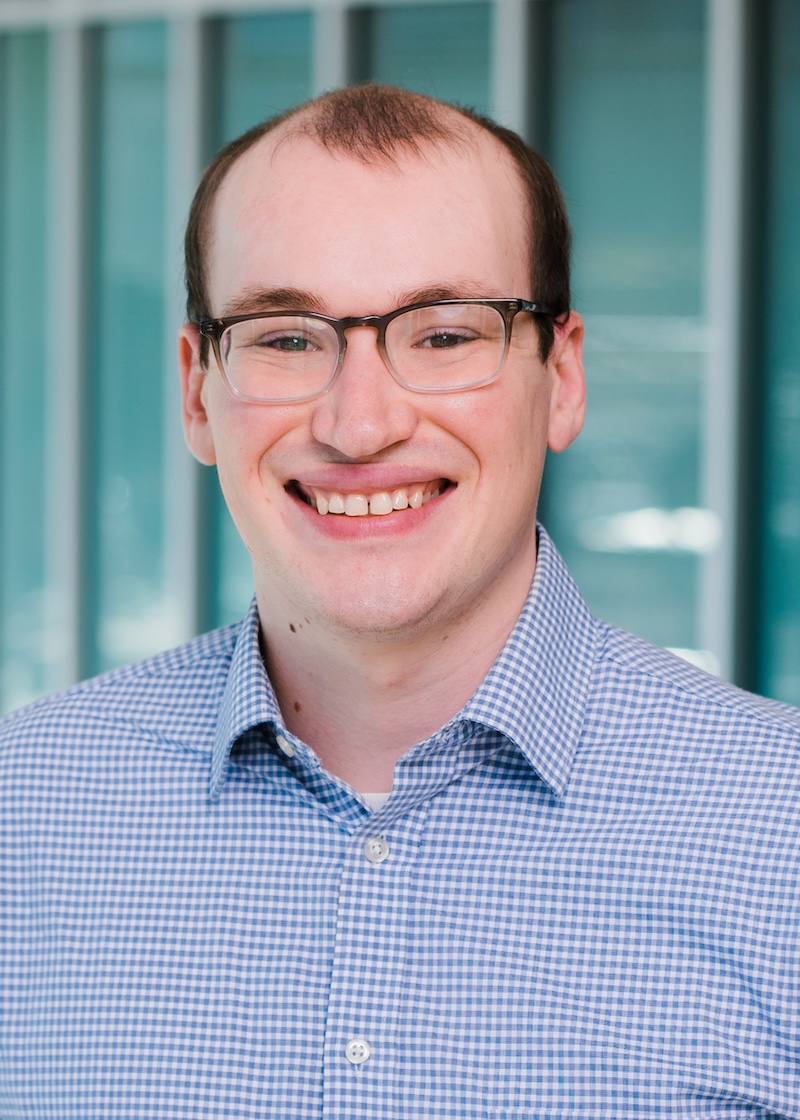
Heersink School of Medicine
“I’ve Got Religion on the Brain”
Dr. Roth’s six seminar series will explore intersections between neuroscience and religion. Students will learn various topics such as neuroimaging of spiritual experience, psychoactive substances in religious practice, glossolalia and language, happiness research, and neuro-ethics. The series includes a book discussion and a panel with local religious leaders, creating a rare interdisciplinary dialogue on belief, culture, and the brain.
“I have absolutely loved my many interactions with the Honors College students and am constantly impressed with their curiosity, critical thinking, and engagement,” Dr. Roth said. “In particular, I’ve had great talks about neurospirituality, which are the interactions between neuroscience and spirituality/religion, with students with very different perspectives, so I figured it’d be a great chance to dive in deeper together."
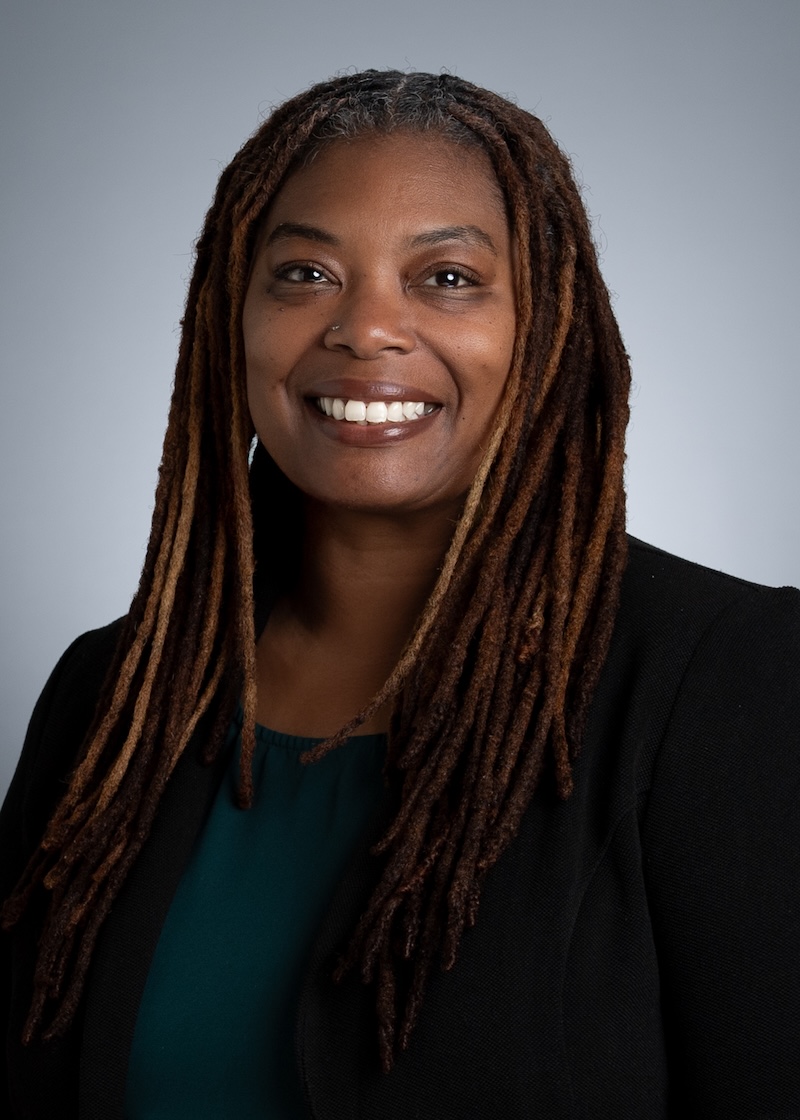
Tamika L. Smith, Ph.D.
School of Public Health
“Human + Machine: Creativity in the Age of AI”
Dr. Smith’s year long series is designed to build AI literacy, ethical awareness, and creative application across disciplines by integrating hands on workshops, practitioner panels, and structured project development. Students will explore generative AI tools, prompt engineering, and human AI collaboration – culminating in a public AI Innovation Showcase.
“I love the opportunity to connect with honors students outside the classroom in a more informal, engaged setting,” Dr. Smith said. “It’s a great platform to teach AI in a creative, hands-on way."
For questions or inquiries to apply for the 2027-2028 cohort, contact the Assistant Dean of the Honors College, Kevin Fontaine, Ph.D., at