-
CFAR Postdoctoral Fellowship Program
The 2027 application cycle opens in October 2026.
The UAB Center for AIDS Research (CFAR) is announcing the availability of a one-year postdoctoral fellowship (with opportunity to renew). Applicants may propose any type of HIV research - basic, translational, epidemiological, behavioral, implementation, or community science - and across the spectrum of HIV prevention, treatment, or cure. The fellowship provides salary and travel support as well as mentorship and training opportunities to prepare fellows for a career as an independent research. This opportunity is only open to new postdocs and is expected to be in-person. Salary support of $75,000 + fringe and $5,000 for training activities and travel is provided. Application Process
Eligible candidates should submit the following on the application:
- Identify aUAB CFAR mentor. This is a mentored fellowship, and applicants should identify a proposed UAB CFAR mentor and/or mentorship team whose expertise and experience align with the applicant's research and training goals.
- Applicants are strongly encouraged to discuss their proposed work and training plan with potential mentors before applying. The quality, expertise, and overall fit of the proposed mentorship team will be considered as part of the application evaluation.
- Current Curriculum Vitae (CV) or Resume
- Letter of Interest describing your research accomplishments, training plans and proposed mentor(s)
- At least three letters of support from previous supervisors/mentors, with names and contact information. A letter of support from your proposed mentor is strongly encouraged.
Complete applications will be reviewed; select applications will be contacted for interviews.
Eligibility Notice:
At this time, the UAB CFAR is unable to support individuals who require a new U.S. visa for the proposed award period. Accordingly, we will only review applications from individuals who meet one of the following criteria:
- U.S. citizens; or
- Individuals with current permanent resident status; or
- Individuals with a current visa status that authorizes employment in the United States and will remain valid for the duration of the proposed award period.
Program TimelineOpen Call Released: October 2026 Application Due: January 20, 2027 Notification Date: March 11, 2027 Project Start: May 1, 2027 
-
Mentors
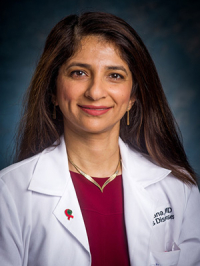
Aadia Rana
Aadia Rana MD, Professor Medicine (ID), conducts research on evaluation of inequities in access to care and improvement of treatment adherence and engagement in HIV care. Her work incorporates health services research, behavioral sciences, social sciences, and clinical medicine. She is the MPI on two R01s utilizing geospatial methods to inform and implement interventions to improve HIV care outcomes in the Deep South, and MPI on a 3rd R01 developing a cohort of reproductive age women living with and at risk for HIV in the Southeastern United States. She leads the UAB CFAR Ending HIV in Alabama Scientific Working Group and mentors students, residents, and ID fellows in health services research.

Angela Wahl
Angela Wahl, PhD, is an Associate Professor in the Department of Microbiology. She is a co-director of the UAB CFAR Advanced Technology Core and she will co-lead the 2026 UAB CFAR Emerging Scientific Investigators Group. Her work involves the use of precision animal models to study aspects of HIV acquisition, pathogenesis, and persistence and to evaluate HIV prevention and cure approaches. The laboratory currently has a large multi-institutional NIH funded program to evaluate the role of human gut microbiota in HIV acquisition, pathogenesis, and persistence and to evaluate the contribution of the CNS to HIV persistence and rebound. Dr. Wahl mentors undergraduate students, graduate students, and postdoctoral fellows.

Anju Bansal
Anju Bansal, PhDis an Associate Professor in the Department of Medicine, Division of Infectious Diseases. Dr. Bansal is a translational scientist with a research focus primarily aimed at understanding the interplay between host genetics and viral pathogenesis as it pertains to T cells. She is a well-trained molecular biologist, virologist and immunologist with experience working with several human viruses and bacterial pathogens associated with sexually transmitted infections. She has been continually NIH funded for over 2 decades and during this time she has also mentored innumerable students (high school, undergraduate, and graduate), post-doctoral research fellows in addition to medical-students, residents and fellows, and junior faculty (instructor/assistant professors). Recently she has broadened her expertise into examining the T cell correlates for HPV induced cancers observed in people with HIV.

David Vance
David Vance, PhD, MS,is the Director of Regulatory and Review Process and University Professor (a distinction bestowed by the University of Alabama Board of Trustees) at the UAB School of Nursing, Dr. David Vance actively pursues research in positive and negative neuroplasticity, neurocognitive aging, neurocognitive remediation, and aging with HIV. He possesses a passion for promoting cognitive health and successful cognitive aging and for mentoring predoctoral, postdoctoral and early career scientists. This has produced +320 peer-reviewed articles (Scopus h-index – 41) with nearly half of these with mentees. His major scientific contributions include cognitive interventions in aging, breast cancer survivors, HIV, neuropsychology of HIV/AIDS, quality of life in older adults, everyday functioning and IADLS, and aging with HIV.

Emily Levitan
Emily Levitan, ScD, is Professor of Epidemiology, member of the UAB CFAR Clinical Core providing epidemiology and biostatistics support and the new Implementation and Community Sciences Core providing support for analysis of big data including Medicaid claims and commercial laboratory data, co-director of the UAB-VA Health Services, Outcomes, and Effectiveness Research Training Program (AHRQ T32 HS013852) and mentors students, postdoctoral fellows, and junior faculty in epidemiologic and statistical methods and career development. She is multiple-PI for the UAB sites of the UAB/UMMC MACS/WIHS Combined Cohort Study Site with Dr. Kempf and the NIH-funded RECOVER study investigating post-acute sequelae of COVID-19 with Drs. Erdmann and Goepfert. She has been primary mentor for 10 PhD students, 11 master’s students, and 3 postdoctoral fellows.

Emma Kay
Emma Sophia Kay, PhD, MSW is a tenure-track Associate Professor at the University of Alabama at Birmingham School of Nursing, where she is nationally and internationally recognized for her expertise in HIV health and substance use. Her 70+ peer-reviewed publications include recent work in JAMA, and her scholarship employs innovative approaches including qualitative research, community-based participatory research, and human-centered design to address critical gaps in HIV prevention, treatment, and harm reduction services. Her independent research program focuses on community-engaged approaches and human-centered design with a variety of populations, particularly people living with HIV who use drugs. Dr. Kay currently serves as Multiple Principal Investigator (MPI) on an active R01 from NIDA (R01DA054832) examining the impact of harm reduction care in HIV clinical settings on stigma and health outcomes, as well as an R25 training grant focused on population health in the Deep South (R25 LM014336). She also serves as Co-Investigator on a PCORI-funded project on trauma-informed research co-production to end the HIV epidemic (PIR-2444). She has a pending NIH grant on remote fentanyl test strip distribution and education to prevent drug overdose that is likely to be funded for 2026. Additionally, Dr. Kay is seeking funding to support a multistate harm reduction center aimed at improving health outcomes among people who use drugs. Drawing from her own postdoctoral training experience, Dr. Kay has successfully mentored postdoctoral fellows as well as early-career researchers considering the postdoctoral career path. Her mentoring philosophy centers on supporting postdocs in carving out their own research niche while providing robust opportunities to develop skills in community-engaged research, mixed methods, and grant writing under her mentorship.
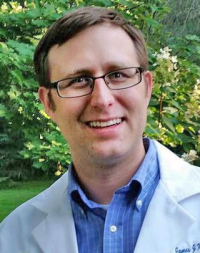
James Kobie
James Kobie PhD is Associate Professor of Medicine (Infectious Diseases) and a translational B cell immunologist whose research focuses on viral pathogens including HIV-1, influenza, and coronaviruses. He is an established investigator with the HIV Vaccine Trials Network, leading multiple clinical trials, and serves as a mentor for their medical student research program. He directs the UAB CFAR Advanced Technology Core and co-directs the UAB Flow Cytometry and Single-Cell Core. His lab’s HIV-related research is focused on understanding the ontology of broadly neutralizing antibodies and improving B cell responses in populations at greater risk for HIV infection. Dr. Kobie has mentored undergraduate, graduate, and medical students from a variety of backgrounds and disciplines. He has also mentored 2 postdoctoral fellows, both who have continued in academia laboratory-based research.

Katia Bruxvoort
Katia Bruxvoort PhD, MPH, Associate Professor of Epidemiology (SOPH) and an ID epidemiologist. She studies the epidemiology and determinants of infectious diseases of global importance with the goal of informing prevention through vaccines, prophylaxis, and other interventions. She is particularly interested in real-world effectiveness, safety, and impact of interventions, and intervention delivery strategies to reach underserved populations. She leads an R01 to determine the impact of peer-led, community-based PrEP delivery among sexual and gender minority (SGM) youth in Brazil, and she collaborates on studies to improve HIV prevention in Alabama. She also teaches Epidemiology of Infectious Diseases and mentors trainees in study design and analysis.

Masakazu Kamata
Masakazu Kamata, Ph.D is an Associate Professor in the Department of Microbiology at the University of Alabama at Birmingham (UAB). He is a basic scientist who is primarily dedicated to conducting translational research aimed at developing novel therapies for both HIV and cancer, striving to bridge the gap between laboratory discoveries and clinical applications. He has secured substantial financial support from a variety of funding organizations, including the National Institutes of Health (NIH) through R01, R21, and P30 supplements, Cancer Research Institute (CRI), and The Brain Charity (UK) accumulating a total exceeding $3.0 million for the upcoming five years. He has impressively authored and had published more than fifty scholarly manuscripts, which notably includes a comprehensive total of twenty-eight manuscripts, this body of work primarily centers on studies aimed at finding a cure for HIV. Throughout these studies, the team adopted a variety of leading-edge techniques, encompassing stem cell techniques, targeted delivery of macromolecules to specific organs like the brain via nanotechnology, the utilization of various viral vectors for genetic modification, innovative immunotherapeutic strategies, and a humanized mouse model that enhances the study of HIV infection. He has supported numerous junior individuals across different educational stages, encompassing undergraduates, master's and doctoral candidates, postdoctoral scholars, and junior faculty at RIKEN in Japan, UCLA in California, and UAB. A number of these students have garnered various honors through their successful oral and poster presentations. He will offer specialized guidance in fundamental aspects of HIV biology, molecular techniques, in vivo strategies for HIV cure research utilizing HIV-infected humanized mice, as well as gene therapy and immunotherapy methods. He will offer specialized guidance in fundamental aspects of HIV biology,molecular techniques, in vivo strategies for HIV cure research utilizing HIV-infected humanizedmice, as well as gene therapy and immunotherapymethods.

Michael Mugavero
Michael J. Mugavero, MD, MHSc is Professor in ID and Co-Director for the UAB Center for AIDS Research (CFAR). He also serves as Director of the UAB Center for Outcomes and Effectiveness Research and Education, contact MPI of the UAB Health Services Research pre- and post-doctoral training program, and Associate Director of the Center for Clinical and Translational Science. He is an ID trained physician-scientist focused on HIV and funded by NIH since 2007 to use epidemiological methods, behavioral science, effectiveness, hybrid, and implementation science trials to enhance sustained access to evidence-based HIV prevention and treatment modalities spanning a status neutral continuum of care. He mentors and sponsors graduate students, residents, post-doctoral fellows, and early career faculty at US institutions who have secured NIH (T32, KL2, K12, K23, R21, R34, R01, R01 Diversity Supplement, U01) and foundation funding. He provides topical mentorship in HIV treatment and prevention, and health disparities and methods mentorship in epidemiology, quantitative methods, and the design and conduct of effectiveness, hybrid, and implementation science trials embedded in clinical care settings.
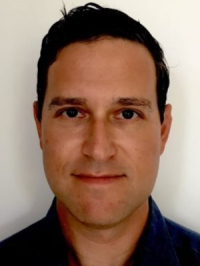
Michael Vinikoor
Michael Vinikoor, MD,is Professor in Infectious Diseases and Director of the Global Health Reciprocal Innovations Scientific Working Group at the UAB Center for AIDS Research. He is a physician-scientist with NIH funding focused on the treatment of several infections (hepatitis B and HIV) and their comorbidities (alcohol, metabolic dysfunction) in disadvantaged populations in Africa and the Southern USA. He has active research collaborations in Zambia and around the Africa region. He mentors undergraduates, medical students, graduate students, residents, post-doctoral fellows, and junior faculty at US and African institutions. He provides topical mentorship in hepatitis B, HIV associated comorbidities, alcohol misuse, clinical research study design and analysis methods.

Mirjam-Colette Kempf
Mirjam-Colette Kempf PhD, MPH,University Professor in Nursing, Epidemiology, Health Behavior and Infectious Diseases, Co-Director of the CFAR Developmental Core and Associate Co-Director of the Implementation and Community Science Core. Dr. Kempf conducts HIV health services and outcomes research with an emphasis on psychosocial and structural factors impacting access to care and health disparities among people living with HIV and vulnerable to HIV infection,particularly in the rural South. She serves as MPI for the UAB-UMMC MACS/WIHS Combined Cohort Study (MWCCS) site and MPI for the AWARE cohort. Through her research and leadership within multiple cohort and NIH-funded studies, she has provided training opportunities to multiple trainees resulting in grant funding such as F31, K23, R36, K12 awards.

Nathan Erdmann
Nathan Erdmann MD, PhD is an Associate Professor of Medicine in Infectious Diseases with a focus on translational immunology and pathologic inflammation. His work supported by an NIAID K08 focused on the effects of T cell responses to viral adaptation with a goal of developing strategies for HIV vaccination. With the onset of the COVID-19 pandemic led clinical trials assessing antiviral and immunomodulatory interventions and established a large cohort linking clinical data to biospecimens that led to informed UAB's selection as a hub for the NIH Long COVID effort RECOVER (PI Erdmann). Current projects focus on identifying therapeutic targets of inflammation in HIV, immunologic mechanisms of acute and post-acute COVID-19, and post-acute sequelae of other pathogens. Dr. Erdmann is the Medical Director of the UAB 1917 HIV Clinic where he coordinates efforts to link research to clinical interventions. He works to engage medical students, residents, and fellows into research through his roles as Clinical Associate Director of the Physician Scientist Development Office, Director of the Physician Experience Program, and Co-Director of the Department of Medicine Academic Pathways Program.

Paul Goepfert
Paul Goepfert, MD, is a Professor of Infectious Diseases and Director of the Alabama Clinical Trials Unit. He also leads a basic science laboratory. As an infectious diseases physician-scientist, Dr. Goepfert has been continuously funded by the NIH since 2001 to study virus-specific T cell responses, with a particular focus on advancing vaccine design. In addition to his basic science research, he is also funded to conduct clinical trials involving vaccines and therapeutics.
Dr. Goepfert is deeply committed to mentorship, guiding undergraduates, medical students, graduate students, residents, postdoctoral fellows, and junior faculty. His mentees have collectively authored over 50 first-author publications and have successfully secured independent research funding. He provides mentorship in both basic science and clinical trials research.

Raymond Jones
Raymond Jones, PhD is an Assistant Professor of Medicine in Gerontology, Geriatrics, and Palliative Care. He also serves as the Associate Director of the UAB Center for Exercise Medicine. He studies the vascular contribution to cognitive aging in older adults living with HIV and seeks to understand the therapeutic effects of exercise. He is particularly interested in promoting exercise through community involvement to combat cardiovascular disease and cognitive impairment. He is currently funded on an NIH K01 and other foundation awards.
Dr. Jones is committed to mentorship and continues to guide undergraduates, graduate students, and postdoctoral fellows through their research and career journeys. His research team covers diverse expertise, including aging, HIV, exercise, health equity, in multiple methods, including clinical trials, cohort studies, and community engagement.

Rena Patel
Rena Patel, MD, MPH, MPhil,Associate Professor, Infectious Diseases is a physician-scientist who conducts mixed methods research, using both qualitative and quantitative tools, in HIV, reproductive health, and health equity in the U.S., Kenya, South Africa, and Botswana. She serves as the Assistant Director of the UAB Minority Health and Health Equity Research Center, where she continues examining social determinants of health in HIV and beyond and leading community engagement in big data efforts. She mentors undergraduates, medical students, graduate students, residents, clinical and post-doctoral fellows, and junior faculty at US and African institutions. She has mentored 30+ individuals to date, ranging from career development to research mentorship sustained over multiple years, and she has supported 30+ publications with the mentees as first-authors. Some of her mentees have secured NIH grants (e.g., K23 or supplements) and many have gone to successful careers in academia or public health. Her research group has a specific focus on nurturing the next generation of biomedical researchers whose backgrounds and experiences reflect diverse needs. Her research group covers diverse topics expertise, including for HIV, women’s health, health equity, social, political, and structural determinants of health, as well as methods expertise, including cohort studies, clinical trials, pharmaco-kinetic and -vigilance studies, big data, clinical informatics, qualitative data collection, and community-engaged sciences.

Renee Heffron
Renee Heffron PhD, MPH is CFAR Director and Professor of Medicine (ID) at UAB. She is PhD-trained in clinical epidemiology and implementation science and conducts works that spans individual and cluster clinical trials, epidemiologic causal inference, qualitative and behavioral research to identify novel HIV prevention interventions. She works with cohorts of young women, people who use substances, and serodifferent couples and has long established relationships with collaborators in Kenya, Uganda, and South Africa and is developing collaborations in Alabama and the US south to conduct HIV prevention research. She often integrates pre- and post-doctoral trainees into her teams and is open to meeting potential applicants whose career goals and topical interests fit with her ongoing projects.
Sadeep Shrestha
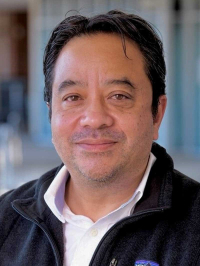
Sadeep Shrestha, PhD, Professor in Epidemiology, SOPH, is the director of the Program in Epidemiology of Inflammation, Infection, and Immunity (PEIII) and has established epidemiology and genomic research programs in Kawasaki Disease, HIV, and STI, specifically HPV and related cancers. He also has experience in a wide spectrum of host genetic and epidemiology research involving various infectious diseases (HIV, HBV, HCV, HPV, HSV, BV andViliuisk Encephalomyelitis) and chronic disease (cancers, cardiovascular and aging events), specifically in PLWH. He is also the co-director of the Basic Research in Infectious Disease and Genetic Epidemiology (BRIDGE) program that he initiated, which focusses on mentoring students with research. While his primary research is in understanding host genomics related to different disease outcomes, Dr. Shrestha has also initiated a cervical cancer screening program in Nepal, through Nepal Health Research Initiative (NHRI) that he directs, in collaboration with multiple stakeholders including local governments, academic institutes, and a local NGO with tremendous outreach access. He mentors undergraduates, medical students, graduate students, residents, post-doctoral fellows, and junior faculty at US and LMIC institutions. Currently, he mentors 6 master’s, 3 PhD students, 3 post-docs (in international setting) and 2 junior faculty.

Sarah MacCarthy
Sarah MacCarthy, ScD, is Associate Professor in the Department of Health Behavior at the SOPH and the first holder of the Magic City LGBTQ Health Studies Endowed Chair and Director of the Center for the Study of Sexual and Gender Health. She has experience as a mixed-methods researcher and educator, with attention to the risk and resilience of sexual and gender minority populations nationally, and especially in the Deep South. Her current research largely focuses on the impact of the broader legal and policy environment on individual health. Dr. MacCarthy holds a master’s and doctoral degrees from the Department of Global Health and Population at the Harvard School of Public Health.

Zdenek Hel
Zdenek Hel, PhD, is a Professor in the Department of Pathology, Division of Molecular and Cellular Pathology. His research interests focus on the immunology of infectious diseases, disease pathogenesis, immune metabolism, mucosal immunology, vaccine development, and immune therapy. His current research program focuses on the analysis of altered myelopoiesis and granulopoiesis in infection, cancer, CVID, and other inflammatory conditions. NIH R01-funded clinical studies focus on the effect of altered neutrophils and other myeloid populations on disease pathogenesis in HIV-1-infected individuals and the role of the innate immune system in HIV-1-associated immune suppression. A description of the current research in the laboratory can be found at:https://sites.uab.edu/zdenek-hel-lab/
-
Review Criteria
Applicants will be reviewed based on the following criteria:
1. Candidate
- Does the candidate have the potential to develop as an independent and productive researcher?
- Are the candidate's prior training and research experience appropriate for this program?
- Is the candidate's academic, clinical (if relevant), and research record of high quality?
- Is there evidence of the candidate’s commitment to meeting the program objectives to become an independent investigator in research?
- Do the reference letters address the above review criteria, and do they provide evidence that the candidate has a high potential for becoming an independent investigator?
2. Career Development
- What is the likelihood that the program will contribute substantially to the scientific development of the candidate and lead to scientific independence?
- Are the candidate's prior training and research experience appropriate for this award?
- Are there plans for monitoring and evaluating the candidate’s research and career development progress?
3. Research Plan
- Is the research plan relevant to the candidate’s research career objectives?
- Is the research plan appropriate to the candidate's stage of research development and as a vehicle for developing the research skills pertinent to their career development?
4. Mentorship/Support
- Has the mentor committed to providing 50% of the support for this position, as required?
- Are the qualifications of the mentor(s) in the area of the proposed research appropriate?
- Is there evidence of the mentor's previous experience in fostering the development of independent investigators?
- Is there evidence of the mentor's current research productivity and peer-reviewed support?
- Is active/pending support for the proposed research project appropriate and adequate?