At the Comprehensive Healthy Living Research Center, research is grounded in the realities of the communities with which we collaborate. That connection is facilitated by the Partnerships & Engagement Program, a team dedicated to ensuring research is co-created with communities, not just conducted amongst them.
By connecting investigators with longstanding partners, coordinating engagement activities, and helping shape studies in ways that are practical and responsive, the program helps move research beyond transactional outreach toward sustained partnerships.
Connecting research goals with community priorities
The Partnerships & Engagement program starts with one seemingly simple step: listening.
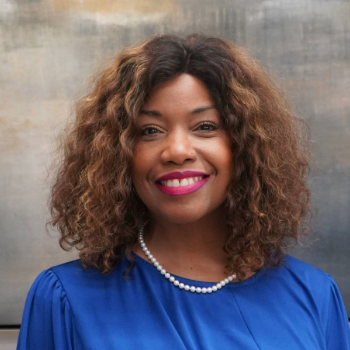 Tiffany OsborneThis approach is reflected across several ongoing initiatives supported by the program, including Live HealthSmart Alabama and Alabama CEAL. These efforts are shaped through direct conversations with community members about their priorities, challenges, and goals.
“We ask them, what is your vision for a healthier community?” Tiffany Osborne, staff director of Partnerships & Engagement, said. “What residents in one community may feel like is most important may be vastly different from another community, so it’s very tailored.”
“We are the connector, the liaison between researchers and communities,” said Osborne. “We try to make sure we understand the vision of the researcher or the project director so that we can distill all of that information in a manner that will resonate with the communities that we serve.”
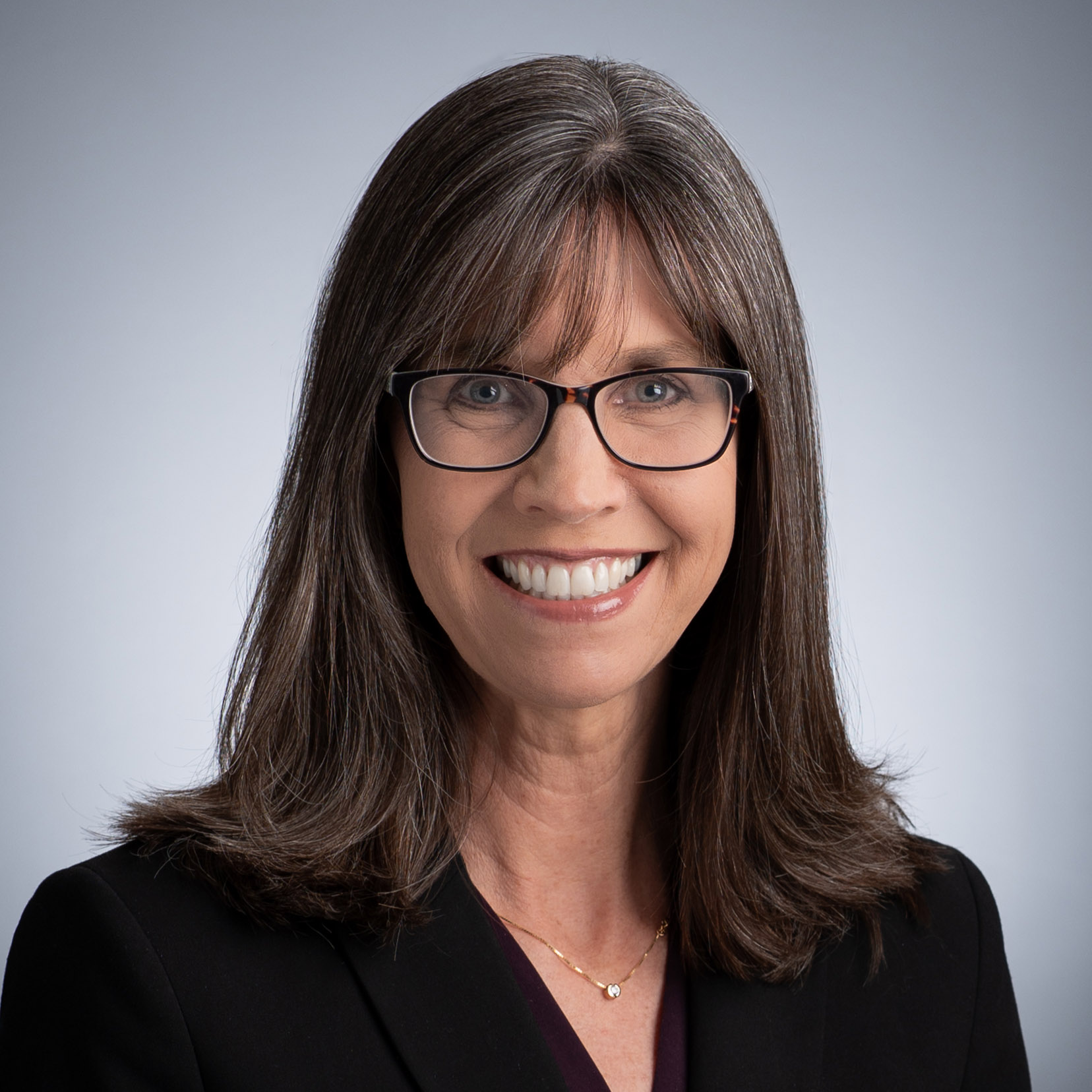 Lori Bateman, Ph.D.For Osborne, effective engagement means ensuring community members have a voice in shaping how research takes place.
“They want to play a role in what’s happening in their communities,” she said. “They’re the experts in what will and what will not work.”
That perspective helps ground research in community priorities while also strengthening investigators’ ability to conduct studies that are both relevant and feasible.
“In fostering community-engaged research (CEnR), the Healthy Living Center facilitates impactful co-equal community-academic partnerships, which lead to increased research quality, increased uptake of evidence-based health behaviors, and ultimately improved individual and community health,” said Lori Bateman, Ph.D., R.D., associate professor in the Division of General Internal Medicine and Population Science and assistant director for the center’s Partnerships & Engagement program.
Support across the life of a research project
The program’s work spans the full life cycle of a research study, often beginning when investigators are preparing grant applications.
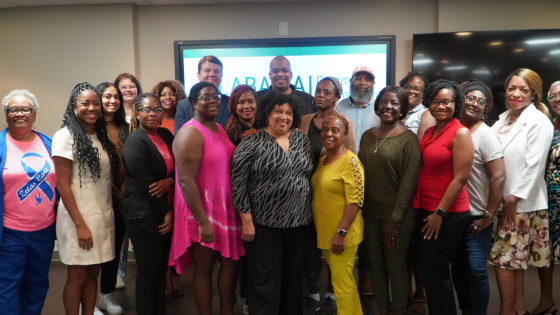 Community Research Institute - Cohort 1“We often start at the idea stage,” Osborne said, “helping investigators think through whether their research question is relevant to communities and how engagement should be structured.”
From there, the team assists with connecting researchers with potential community partners, identifying and managing community advisory boards, coordinating meetings, and navigating challenges that arise during all phases of the project. They also help ensure that project progress and findings are shared back with communities in clear and accessible ways.
“Investigators aren’t just checking an engagement box,” Osborne said. “They’re building relationships that strengthen their science, and we are the face, we are the voice for the researchers that we work very closely with.”
Community Engagement Alliance (CEAL)
Jennifer Croker, Ph.D., senior administrative director at the Center for Clinical and Translational Science (CCTS) at UAB, has seen the value of the Healthy Living Center’s Partnerships & Engagement team in action as CCTS works to address the disproportionate burden of chronic disease. By bringing together community members and academic partners across Alabama, Mississippi, and Louisiana through initiatives such as the Southeast Community Engagement Alliance (CEAL) Research Initiative and the Alabama CEAL Community Research Institute, the program’s established relationships helped accelerate this work.
“The collaborative involvement of the Partnerships & Engagement team has played a vital role in amplifying the trust, transparency, and excellence of community-engaged research,” said Croker. “The program’s track record and trustworthiness was tremendously valuable in accelerating efforts to improve health for all people faster.”
Leading Healthy Eating and Activity Promotion (LEAP)
LEAP works to improve health for individuals with a history of cancer, as well as their friends and family, by translating evidence-based diet and exercise programs into accessible, community-friendly approaches. Laura Rogers, M.D., MPH, principal investigator of LEAP, has worked closely with the Healthy Living Center's Partnerships & Engagement team on the project, seeing firsthand how the team supports community-focused research.
"The Partnerships & Engagement team has been critically important in bridging the gap between research expertise and meeting the community's needs. This is essential for community-engaged projects to succeed and make a positive impact," Rogers said. "What stands out most about the team is the value and strength of the longstanding community partnerships, and the trust that has been developed and sustained with those partners for years."
Relationships built through consistency
A defining feature of the Partnerships & Engagement Program is the depth of its community relationships, many of which have been built over years of consistent collaboration.
The program’s team members are often involved in community organizations, events, and service efforts outside of individual research projects. That long-term presence allows the program to respond quickly when new opportunities arise and helps partnerships feel collaborative rather than transactional.
“When we decide to work in a community, we’re invested in that community,” Osborne said. “Even though a grant may end, we continue to show up. We let the community know this wasn’t a one-off.”
By partnering with local organizations and working with neighborhoods, the program helps bring education, resources, and opportunities directly to where people live—supporting healthier choices in ways that reflect each community’s context.
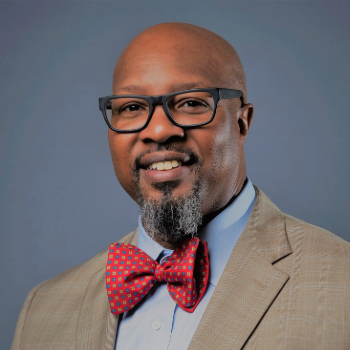 Verlon Salley, MHA“We’re engaged in communities that we don’t see a lot of volume from because of the social determinants of health, so we’re providing access that they may not have gotten from UAB ever before,” said Verlon Salley, MHA, vice president of Community Health Equity at the UAB Health System and program leader for Partnerships & Engagement. “It gives them the opportunity to engage more UAB service lines because of our presence and our partnerships with those community partners. If you engage them and allow them to participate and feel comfortable being at the table, you’ll probably have better long-standing outcomes, and community members who then teach the generations behind them.”
A relational approach to research engagement
Behind every service the Partnerships & Engagement Program provides is a relational approach grounded in consistency, respect, and care. That approach supports investigators by strengthening the foundation of their research, while also ensuring communities feel informed, valued, and involved.
“We can’t do it without our partners,” Osborne said. “They need to feel invested and respected about what happens in their community.”
“Tiffany Osborne and her staff have been crucial to my work with communities across multiple CEnR projects,” said Bateman. “They have connected me with partners who have become longstanding collaborators, and together we have co-created funded projects that are welcomed by communities and result in findings that have wide-ranging impact.”