 Primary care physicians are often the first providers patients turn to when experiencing perimenopause and menopause symptoms. Now, the Family Medicine Clinic at UAB Hospital-Highlands is offering a new multidisciplinary menopause clinic designed to help patients understand their symptoms, explore treatment options and improve their overall wellbeing.
This clinic brings together family medicine, nutrition and behavioral health specialists in a single care model to address the physical, emotional and lifestyle changes associated with menopause. According to Department of Family and Community Medicine Assistant Professor and clinic Medical Director Minakshi Shukla, M.D., it is critical to create a plan that addresses physical health, emotional well-being, lifestyle factors and each patient's individual goals during this stage of life.
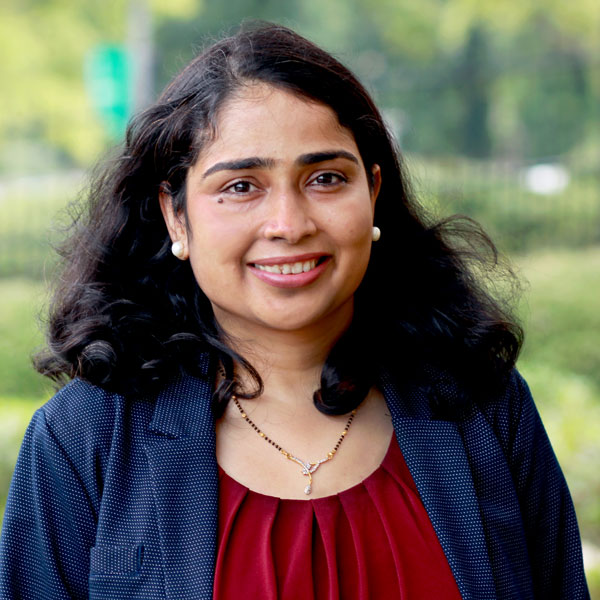 Minakshi Shukla, M.D.“Menopause is normal and struggling with symptoms doesn’t have to be something patients simply endure,” explained Shukla. “We want patients to know that their symptoms are valid and that there are evidence-based treatment options available. There are many ways we can support patients. Care should be individualized based on their symptoms, preferences, and health history.”
According to an AARP study, 32% of women surveyed report lacking important knowledge about menopause, and just half of women in perimenopause, menopause, or post-menopause have sought help from a health professional for menopause-related concerns.
“Menopause symptoms can affect many aspects of a person's health, including physical wellbeing, emotional health, sleep, relationships, and quality of life,” said Shukla.
In fact, 90% of women age 35 and older experience one or more menopause symptoms, and report experiencing an average of five different symptoms. These range from commonly known symptoms like hot flashes, night sweats, and mood changes to lesser-known issues like a burning tongue or itchy skin.
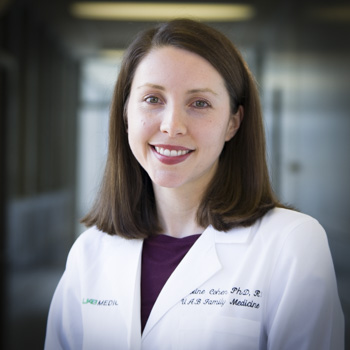 Caroline Cohen, Ph.D., LD, RD"Too often, people are told that menopause symptoms are just a part of life when, in reality, there are lifestyle interventions that can, at a minimum, improve some of the adverse symptoms that patients experience," said Registered Dietitian Caroline Cohen, Ph.D., LD, RD, who will be working with patients in the menopause clinic. “The reality is that nutrition, physical activity, and other lifestyle interventions can make a meaningful difference.”
Despite the prevalence and variety of symptoms, less than half of women experiencing menopause have pursued medical treatments, such as hormone therapy, to relieve their symptoms. The UAB team hopes to ensure every patient feels heard, educated, and empowered to navigate this transition.
“Feeling unheard and dismissed or being told, ‘oh that’s just part of menopause,’ are big barriers to menopause care,” explained Kayee Crockett, Ph.D., clinical health psychologist and Family and Community Medicine assistant professor. “Stigma around aging, women’s health, and mental health is also a major barrier. It’s hard to talk about the fact we may be feeling more depressed or cannot remember things like we used to. We often try to cover that up or just deal with it before we might talk about it.”
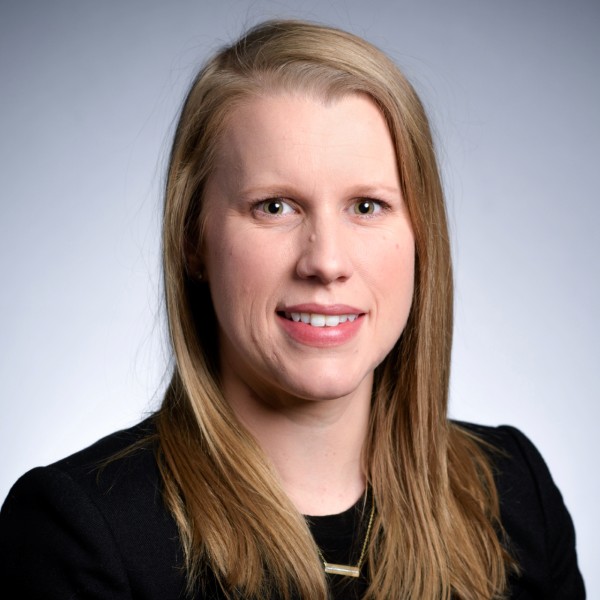 Kaylee Crockett, Ph.D.The providers emphasize that collaborative, coordinated care is key to navigating this phase of life.
“Patients don’t have to simply accept difficult symptoms as a normal part of aging,” said Shukla. “Help is available ... There is no one-size-fits-all approach. The right plan is one that is developed together with the patient.”
Drs. Shukla, Cohen and Crockett see current family medicine patients in the menopause clinic on Tuesdays, while family medicine provider Sumayah Abed, M.D., is available on Thursday mornings. To learn more about multidisciplinary menopause care or make an appointment, contact the Family Medicine Clinic at UAB Hospital-Highlands at 205-934-9700.