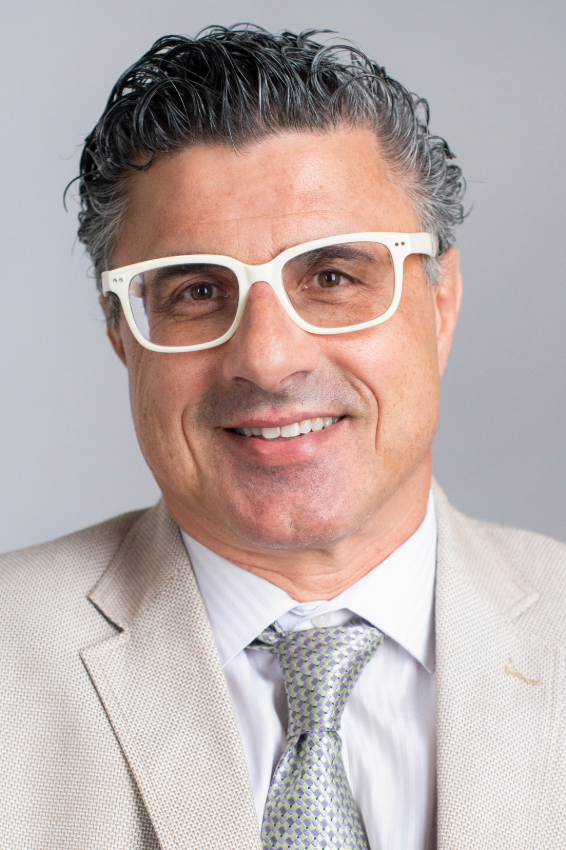
 Aurelio Galli, Ph.D., D.Sc.Aurelio Galli, Ph.D., D.Sc., professor in the Department of Surgery, and Angela Carter, Ph.D., assistant professor in the Department of Surgery, have been named the latest recipients of the school's Featured Discovery award. This recognition celebrates notable faculty research contributions and highlights the impact of their scientific advancements.
Their study, “Fusobacterium nucleatum enhances amphetamine-induced behavioral responses through a butyrate-driven epigenetic mechanism,” was published in Science Signaling.
Galli, Carter, and their team sought to understand why some individuals developed substance use disorders after exposure to addictive drugs, while others did not. Through their research, they found that F. nucleatum, a human oral microbiome bacterium, increased dopamine levels in the brain. “This work indicates that individuals with high levels of F. nucleatum in their microbiome may be more susceptible to addictive drugs,” said Carter.
The Heersink communications team met with Carter to gain insights into the study and help raise awareness about both the research and the Heersink School of Medicine.
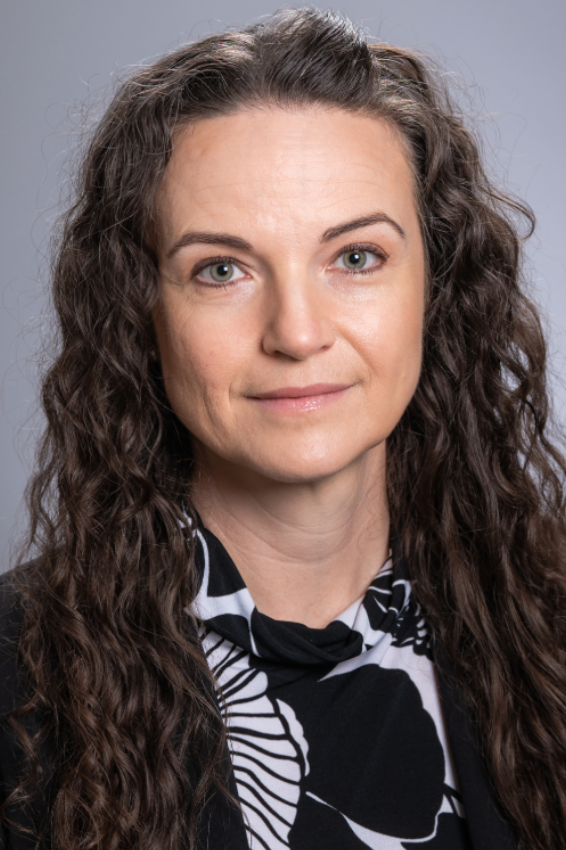 Angela Carter, Ph.D.What compelled you to pursue this research?
The idea that bacteria in our body could control our behavior, even partially, is fascinating. Work over the last two decades has clearly shown that changes in microbiome composition are associated with multiple neurological disorders. Whether these changes can truly drive disease development, and how microbes might be capable of doing this, is unknown.
So we talked with a microbiologist, Hui Wu, Ph.D., (at UAB at the time, now at OSHU), and we asked which of the microbes elevated in amphetamine use disorder patients he found most intriguing. We then set out to test the ability of this microbe, F. nucleatum, to directly enhance behavioral responses to amphetamines. Once we were certain that F. nucleatum could indeed drive significant increases in the way a host responds to amphetamine, we began picking apart the mechanism behind these actions.
How do you feel your research will impact the science community?
By demonstrating that microbes and their byproducts can, in fact, alter host behaviors, we hope our findings will encourage others to take “symbiotic” microbes seriously and perhaps spur greater interest in studying their role as biological regulators of disease.
In addition, our work reinforces the utility of simple model organisms in understanding complex diseases, such as substance use disorders. Although currently out of favor in many fields, Drosophila readily feed on a range of bacteria, making them easily amenable to microbiome manipulation. The high degree of genetic conservation in disease-associated genes, between Drosophila and humans, further enhances their utility for uncovering basic regulatory mechanisms that bacteria may target.
What is your research’s relevance to human disease?
Substance use disorders can be extremely disruptive to patients' lives as well as the lives of those around them. It is still a mystery why some individuals can be exposed to addictive drugs and suffer no obvious long-term impacts while others develop traits of addiction, such as compulsive drug seeking. One variable that has been historically overlooked is the microbiome and its potential role in supporting the biological changes in the brain that lead to a disease state. By demonstrating that microbes can regulate behavioral responses to addictive drugs, we open the door to exploring new classes of treatments for substance use disorders, including probiotics, prebiotics, traditional antibiotics, bacteriophages (viruses that specifically kill one species of bacteria), and microbes engineered to produce therapeutic molecules.
When did you know you had an important discovery?
We knew we had an interesting finding when we were able to show that heat-inactivated bacteria, which stimulate the immune system but are not alive and functioning, had no impact on behavioral responses to amphetamine, but conditioned media taken from live bacterial cultures did. It was something the bacteria were producing that was capable of changing host behavior, not a canonical immune-mediated event. At that point, it was just a matter of digging in and identifying that factor, then asking what that was doing to the brain on a cellular and molecular.
What made you come to UAB?
UAB was an unplanned, but serendipitous, move. I relocated to Birmingham in the middle of my postdoctoral tenure because my mentor was recruited to UAB. The reason I stayed was the amazingly collaborative environment that I found. UAB has allowed me to establish a network of talented colleagues that makes asking, and answering, the most interesting questions I can think of, actually possible. I have collaborators across several Heersink departments, including both basic scientists and clinical colleagues, and I even have collaborators in the UAB College of Arts and Sciences.
In addition, the institutional support at UAB for launching new projects is unparalleled. Our work has been supported by pilot grants from the Center for Addiction and Pain Prevention and Intervention, the Comprehensive Neuroscience Center, the Microbiome Center, and the O’Neal Comprehensive Cancer Center. This is how you ensure scientists can pursue new paths they believe may lead to real improvements in medicine.