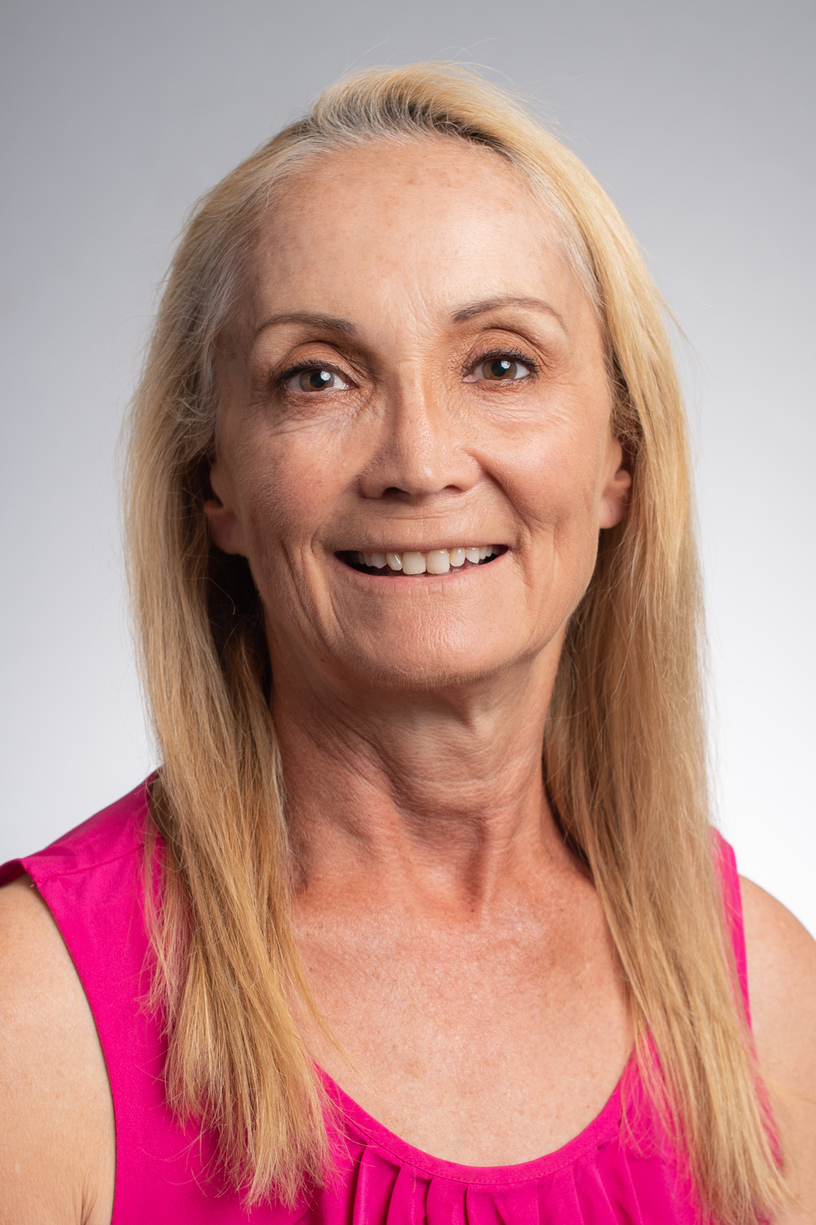
 Maria Grant, M.D.Maria Grant, M.D., professor in the Department of Ophthalmology, and Seth D. Fortmann, M.D., Ph.D., the study’s first author, have been named the school’s latest recipients of the Featured Discovery award. This recognition celebrates notable faculty research contributions and highlights the impact of their scientific advancements.
The study, “Prenatally derived macrophages support choroidal health and decline in age-related macular degeneration,” was published in the Journal of Experimental Medicine (JEM).
Age-related macular degeneration (AMD) is a common cause of vision loss in older adults, affecting the ability to read, drive, and recognize faces. Despite its prevalence, scientists are still working to understand why the disease develops and progresses differently from person to person. In this study, Grant, Fortmann, and their team shed new light on this disease by identifying a critical population of immune cells that help maintain eye health.
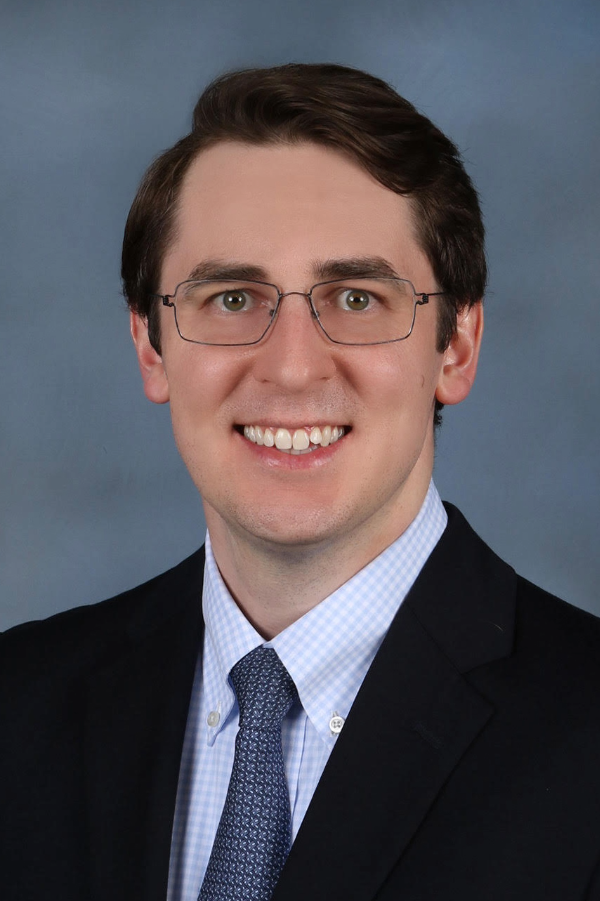 Seth Fortmann, M.D., Ph.D.This study shows that FOLR2-positive macrophages, which are immune cells found in healthy eyes, are essential for maintaining the structure and function of the choroid, a vascular layer that supplies nutrients to the retina. These cells also regulate fat metabolism, a process that becomes disrupted in AMD. “When we removed these cells in mice, their eyes started showing signs of AMD, including damage to the choroid and buildup of abnormal lipids which represent key features seen in human AMD,” said Grant.
This discovery marks a key advance in understanding AMD and opens the door to new therapeutic strategies aimed at protecting these specialized immune cells. “This is a big step forward. For the first time, we’ve identified a specific type of cell that could be targeted to help prevent or slow the progression of AMD. Our findings suggest that protecting these immune cells might be key to stopping vision loss before it starts,” said Grant. “This study exemplifies the power of interdisciplinary collaboration in addressing complex diseases and represents Dr. Fortmann’s Ph.D. project, reflecting his dedication and scientific rigor throughout its development.”
Together, these findings point to a promising new direction for preventing or slowing AMD by protecting the immune cells that help keep the eye healthy before vision loss begins.
"The opportunity to directly study human ocular pathology through the gift of eye donation is a tremendous honor and privilege,” said Fortmann. “Our findings help to reframe the human choroid as an immune-rich tissue with specialized resident macrophages that normally function to maintain homeostasis but become depleted in age-related macular degeneration."
To learn more about the motivation behind this work and its broader implications, Grant and Fortmann answered questions about the discovery and its potential impact.
What compelled you to pursue this research?
GRANT: AMD is a complex and often misunderstood eye disease that primarily damages the macula, the central region of the retina that is responsible for sharp, central vision, and leads to progressive vision loss. Its pathogenesis is multifactorial, involving a combination of genetic predispositions, environmental influences, oxidative stress, chronic inflammation, and metabolic dysregulation.
Importantly, the mechanisms driving disease onset and progression can vary significantly among individuals, suggesting that AMD is not a singular entity but rather a spectrum of conditions with diverse etiologies. This heterogeneity poses challenges for diagnosis, prognosis, and treatment, underscoring the need for personalized approaches and deeper investigation into the molecular and cellular pathways involved.
Among these, the role of the immune response particularly innate immune activation remains relatively understudied, despite growing evidence that it may play a critical role in disease progression. Understanding these nuances is critical for developing targeted therapies that address the specific pathogenic mechanisms at play in different patient populations.
What was your most unexpected finding?
GRANT: We identified a specialized population of immune cells that play a critical role in maintaining eye health and whose decline may contribute to AMD, a leading cause of blindness in older adults. Our study revealed that prenatally derived macrophages, marked by the protein folate receptor 2 (FOLR2), are essential for preserving the structure and function of the choroid, a vascular layer of the eye that supports the retina.
FORTMANN: For me, the most unexpected finding was the sheer density of immune cells in the healthy human choroid. We found that roughly half of all cells in this part of the eye belonged to the immune system. This is a counterintuitive finding given that the eye is an immune-privileged organ, and it raises important new questions about ocular immune privilege and the role of the choroid in ocular immune responses.
How do you feel your research will impact the science community?
FORTMANN: I hope that our research will bring attention to choroidal macrophages as integral components of ocular homeostasis. Our findings also highlight fundamental differences in the immune composition of human and mouse choroids, which should inform the interpretation of past and future work. Lastly, I hope our findings will help to reframe the choroid as an immune-rich tissue that houses both innate and adaptive cells.
GRANT: This is a paradigm shift as we now have a cellular target that could be manipulated to maintain choroidal health and potentially halt AMD before it causes irreversible vision loss.
What is the relevance of your research to human disease (if applicable)?
GRANT: Using cutting-edge techniques, including single-cell RNA sequencing and 3D immunofluorescence imaging, Dr. Fortmann mapped the immune landscape of the human choroid and discovered that FOLR2⁺ macrophages are abundant in healthy tissue but significantly reduced in individuals with AMD. These cells are uniquely equipped to manage lipid metabolism, a process that becomes dysregulated in AMD.
Until now, the role of immune cells in choroidal health has been largely overlooked. Our findings suggest that these macrophages are not only vital for maintaining vascular integrity but may also be a missing link in understanding how AMD develops.
When did you know you had an important discovery?
FORTMANN: When we originally came up with the underlying hypothesis that the loss of these choroidal macrophages was implicated in AMD, there were only two single-cell RNA-sequencing samples from donors with AMD. I knew we had an important finding when more samples became available and the same trend held true.
How has being at UAB and living in Birmingham affected your research?
FORMTANN: UAB is a wonderful place to do vision science research. Between the Department of Ophthalmology and the School of Optometry, there are a multitude of investigators studying all the major diseases and domains of vision. At Callahan Eye, there are experts in all the major ophthalmology subspecialties and a large patient population spanning the spectrum of disease. The Vision Science Graduate Program at UAB is one of only a few programs in the nation to offer a Ph.D. in vision science. Lastly, Birmingham is home to a world-class eye bank that offers researchers access to high-quality human tissue.