Strong community partnerships begin with listening, but their lasting impact depends on what happens next. For Tiffany Osborne, director of the Partnerships & Engagement Program at the UAB Comprehensive Healthy Living Research Center, that belief helped inspire Power in Partnerships: Communities Shaping Research and Change, a forum focused on strengthening relationships and giving communities a greater voice in decisions that affect their health.
 “Alabama and the Southeast rank among the worst in the nation for chronic conditions like obesity, heart disease, diabetes, and stroke,” said Osborne. “Communities already know that. The question is whether the research is answering the questions they are asking.”
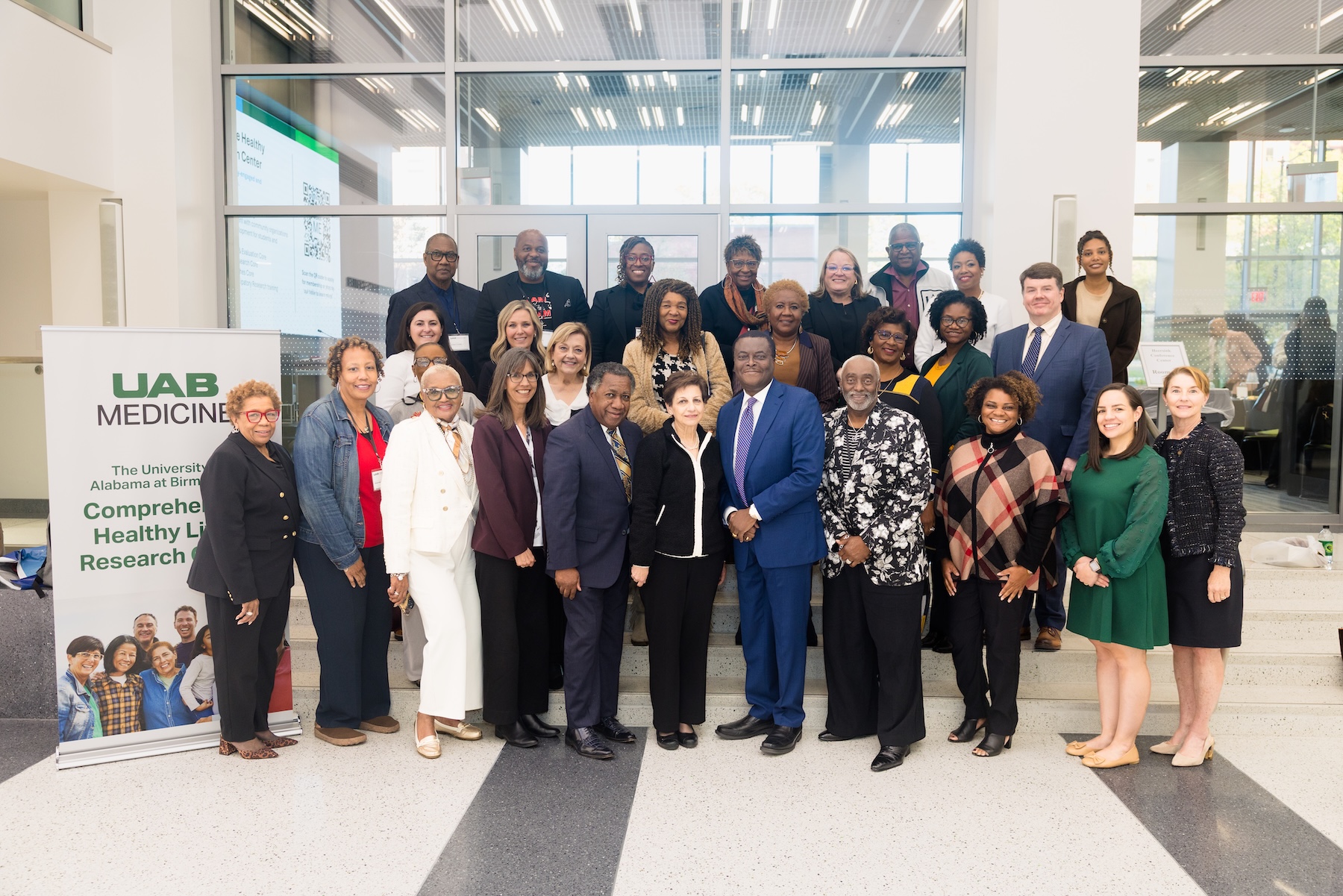
Held November 11-12, 2026, at the UAB Marnix E. Heersink Conference Center, and hosted by the UAB Comprehensive Healthy Living Research Center in collaboration with the Center for Clinical and Translational Science (CCTS) and P3 EQUATE, the forum brought together community leaders, researchers, and health professionals to share practical lessons on building trust, sharing decision-making power, and turning community priorities into action.
"One of the most valuable things we can do is create opportunities for researchers and community members to learn directly from one another," said Mona Fouad, M.D., MPH, director for the UAB Comprehensive Healthy Living Research Center. "My hope is that the conversations at Power in Partnerships lead to stronger relationships and new opportunities for research that reflects community priorities. That's how we can continue building on this work and make a meaningful difference in improving health outcomes across Alabama."
Key takeaways:
- Move beyond consultation to shared authority. Community partners should help determine research priorities, influence how funding is allocated, and participate in decisions rather than simply provide feedback on plans already made.
- Bring communities into the planning process early. Involve residents before grant proposals are written so their priorities shape project goals, activities, and budgets, including resources for community partners' time and participation.
- Turn community concerns into visible results. Build trust by following through on residents' ideas, whether that means revitalizing a vacant building, removing barriers to fitness, or expanding access to nutrition programs.
- Make research understandable and accessible. Explain research concepts in ways that connect to residents' everyday experiences, helping them identify opportunities to improve health and well-being in their neighborhoods.
- Use AI as a tool, not a replacement for human judgment. Choose platforms based on the task, provide clear context, verify information, and protect sensitive data when using AI to support research and community initiatives.
Building partnerships that reflect community needs
Securing funding is only one part of sustaining a successful initiative. Mutual trust must be at the foundation of any community initiative. Programs must reflect residents' priorities and have the local support necessary to continue beyond the initial grant.
That message emerged during the morning panel, Energizing Your Community & Making Funding Work, as speakers discussed how to turn local priorities into action while planning for long-term success.
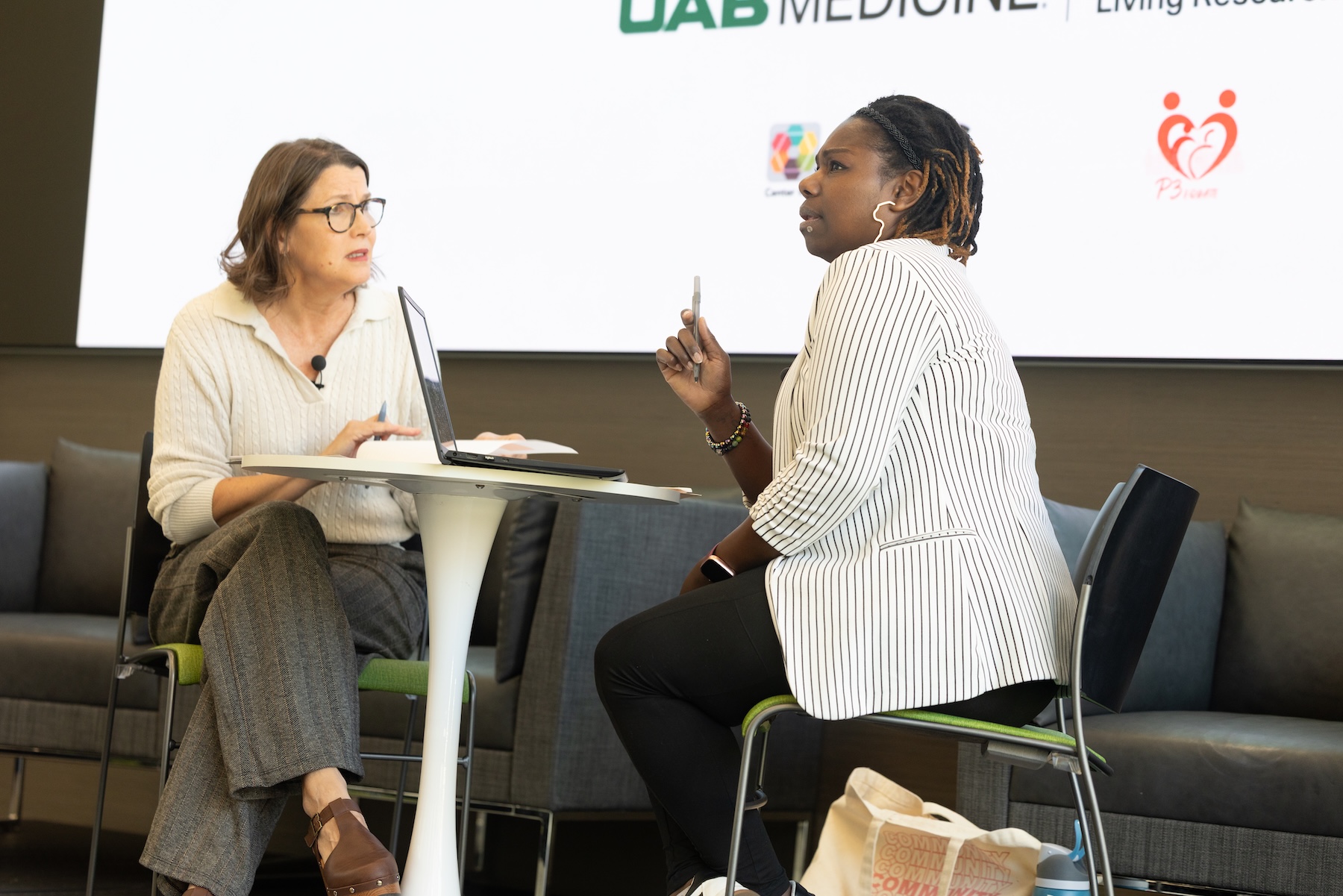 "Plans are great, but people are critical to make those plans go hand-in-hand," said Rose Irby-Wilkins, Ph.D., founder of City Blocks Wellness Center in Selma.
Planning for lasting impact was also a focus of CCTS's interactive ACTion Learning session, A Seat at the Table, facilitated by Cari Oliver, MPA, program director, Evaluation and Special Projects.
Rather than a traditional presentation, the session featured actors portraying a researcher and a community partner navigating conversations about a hypothetical research project. Audience members identified where communication fell short and suggested improvements, which the actors incorporated as they revisited the scenarios.
In one scenario, a researcher outlined an extensive list of responsibilities for a community partner, revealing a disconnect between the project's expectations and the organization's available time, staff, and funding. Audience members emphasized the importance of clearly defining responsibilities, putting agreements in writing, and ensuring community organizations have the capacity and resources to fulfill their commitments.
"It begins with listening to communities, understanding what matters to them, connecting people with resources, and building the trust that lets us work together," Osborne said. "A partnership is not equal if one side holds all the knowledge."
Moving beyond consultation to shared decision-making
Involving residents early is important, but meaningful partnership also requires giving them a voice in decisions about research priorities, policies, and funding.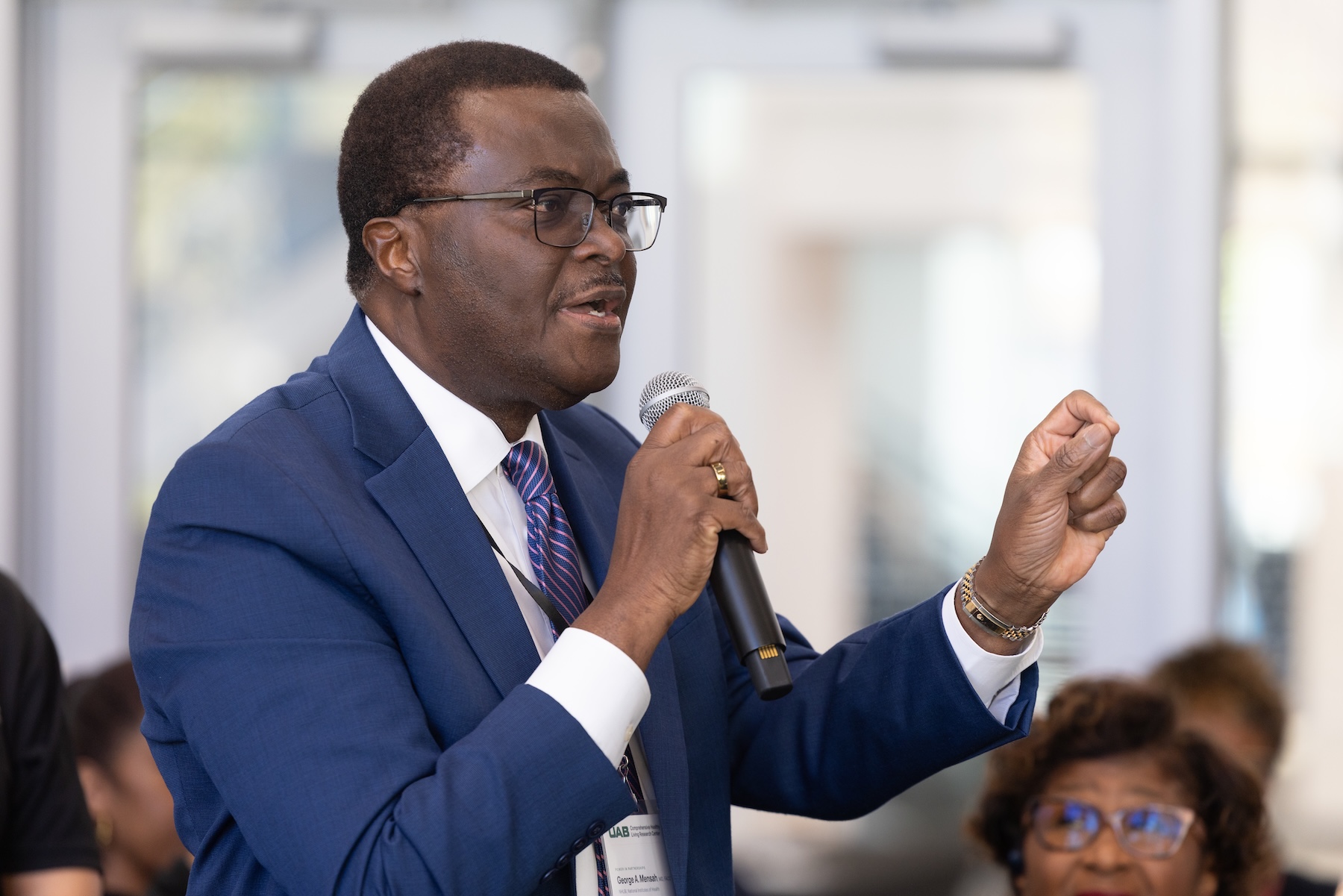 George Mensah, M.D.
During his keynote address, Charting the Research Agenda Together: Community Voice at the Foundation, George Mensah, M.D., director of the Center for Translation Research and Implementation Science at the National Heart, Lung, and Blood Institute at the National Institutes of Health, challenged attendees to consider who holds authority in community-engaged research.
Mensah cited findings involving health departments and community-based organizations showing that while 91% of organizations were consulted, only 29% were involved in setting priorities or policies, and just 15% participated in funding decisions.
The gap revealed how often organizations seek community input without extending meaningful authority over decisions and resources.
Mensah also urged researchers to recognize the responsibilities and risks communities take on when participating in research.
"What very often is not counted is the emotional and the ethical labor that the community contributes," Mensah said.
Beyond seeking input, his remarks challenged researchers to consider how partners are compensated for their expertise, how resources and authority are shared, and how findings are communicated back to the people who helped make the research possible.
Turning community knowledge into meaningful action
The afternoon panel, Nothing About Us Without Us: Community Partners at the Center of Research, demonstrated how partnerships can translate residents' knowledge and priorities into tangible improvements.
Michael Wesley, D.Min., emphasized the importance of making research understandable so residents can participate meaningfully in decisions affecting their neighborhoods.
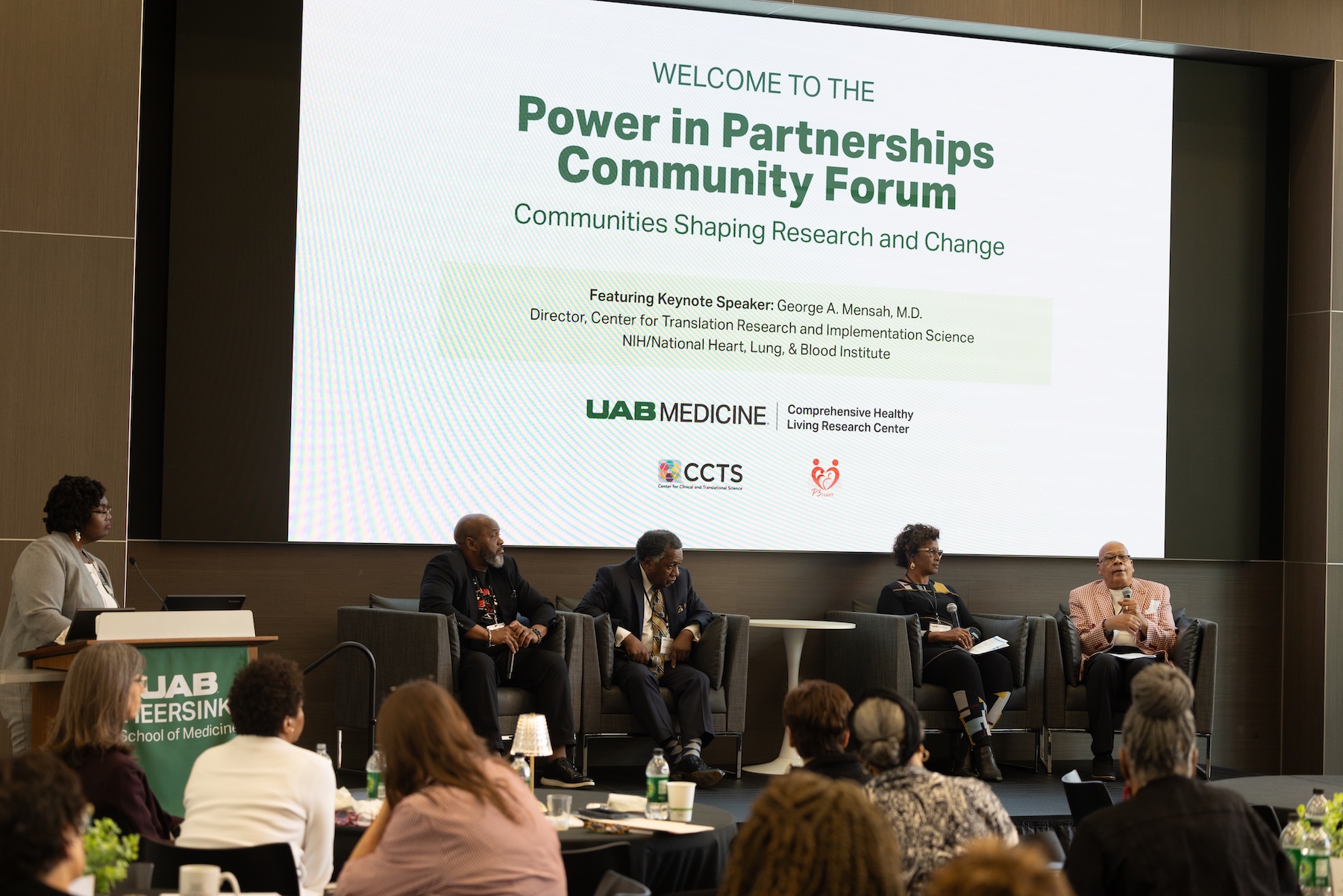 Bush Hills community leader April Williams offered a complementary perspective, noting that residents already know what their neighborhoods need. Researchers need to listen to the residents.
Williams shared how discussions about safer sidewalks, lighting, and garden access grew into a broader vision for the Bush Hills Connection Complex, a former elementary school that sat vacant for years. With support from Live HealthSmart Alabama, civic, corporate, and local partners, the space was transformed into a community hub for gatherings, activities, and exercise.
"We felt seen, heard, cared for," Williams said, reflecting on the support that helped bring the neighborhood's vision to life.
Her experience echoed a point made by fellow panelist Joel Simmons, founder of I AM BHAM, about the importance of responding to residents' ideas with action.
"If we give you a concern or an idea and you bring it to life, we know that’s genuine," he said.
Simmons also discussed providing free, high-quality fitness programs in neighborhoods with the greatest burden for chronic disease, eliminating the financial barrier of traditional gym memberships.
In Dothan, Michael Jackson, co-founder and executive director of Aunt Katie's Community Garden, shared how partnerships with Live HealthSmart Alabama support monthly prediabetes workshops and efforts to encourage residents to grow their own food.
Together, the examples illustrated how local knowledge can inform practical solutions, from upgrading neighborhood spaces to expanding access to fitness programs and healthy foods.
Using technology to support human expertise
In addition to exploring strategies for building and sustaining partnerships, the forum also explored practical tools to support community-focused work.
During the workshop Practical and Appropriate Use of AI, Tiffany Whitlow, co-founder and chief development officer of Acclinate, and Evelyn Nettles Hines, EdD, an AI strategy and leadership development consultant, shared practical applications for research, project planning, and community-based work.
Whitlow and Hines highlighted the different strengths of AI platforms, identifying ChatGPT and Microsoft Copilot as accessible starting points for beginners, Gemini for its integration with Google's tools, and Perplexity for research-oriented tasks that benefit from source references.
Using an example focused on increasing participation in free blood pressure screenings, they demonstrated how the platforms could generate different approaches, from suggesting outreach strategies to organizing implementation plans.
Presenters encouraged attendees to match AI tools to their needs, provide clear context, and verify generated ideas while protecting sensitive data and considering potential bias.
"AI can help, but people still need to supply judgment, context, and accountability," Whitlow said.
From partnership to action
The forum reinforced that strengthening community-engaged research requires more than gathering input. It means sharing decision-making power, recognizing the expertise residents bring, and turning their priorities into action.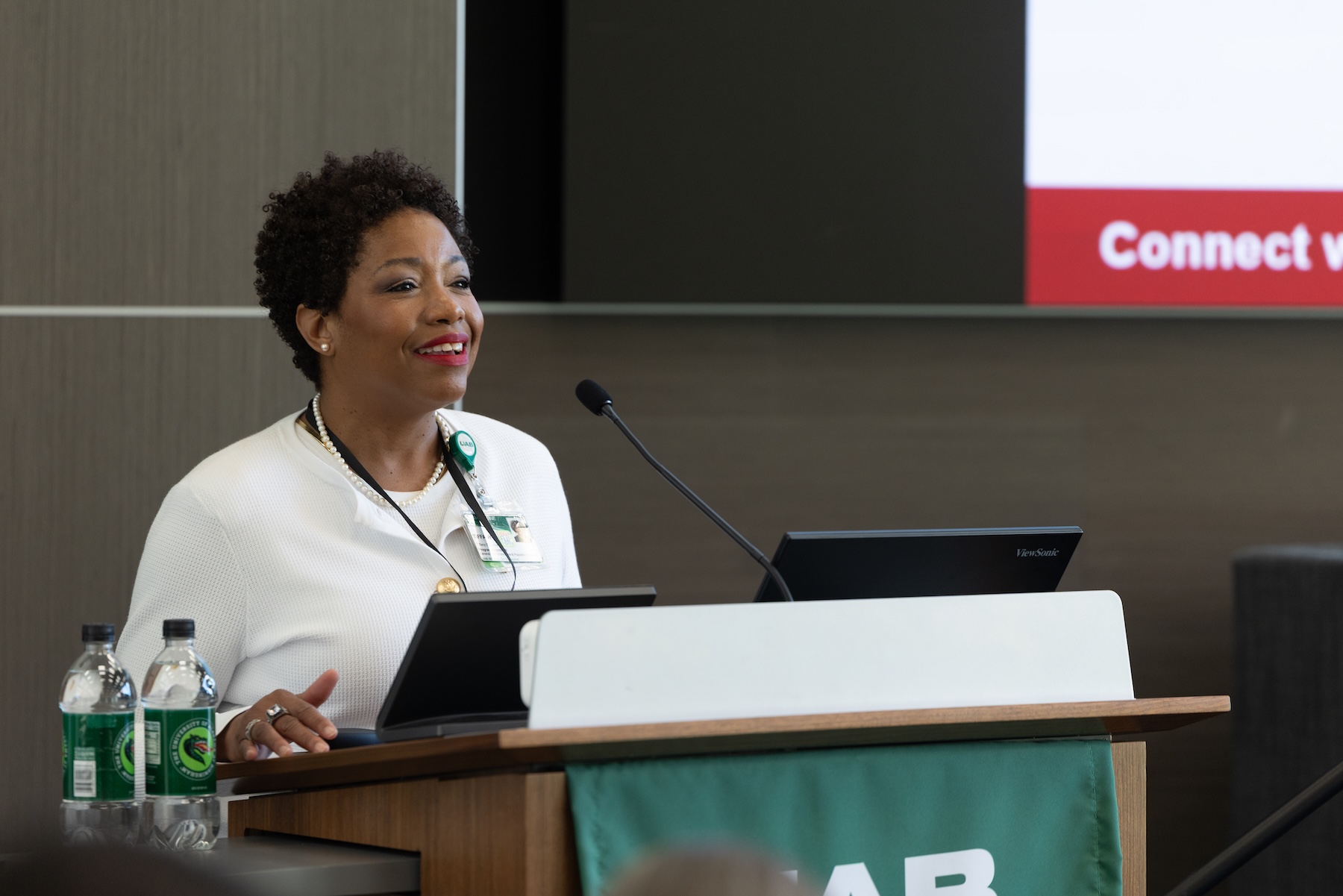 Tiffany Osborne
“We do not arrive in a community with a finished plan and ask people to join it,” said Osborne. “We build relationships, hold meetings, listen, and connect with local leaders and organizations. Residents help shape the work.”
As Williams emphasized during the afternoon panel, meaningful partnership goes beyond simply inviting people to participate.
"You don't want just to have an invitation to the table," she said. "You want to set the table."