Offered through the UAB Comprehensive Healthy Living Research Center's Education and Career Development program, the Health Excellence Research Education Program (HEREP) provides early-stage investigators and junior faculty with training and mentorship in population and community-engaged health research.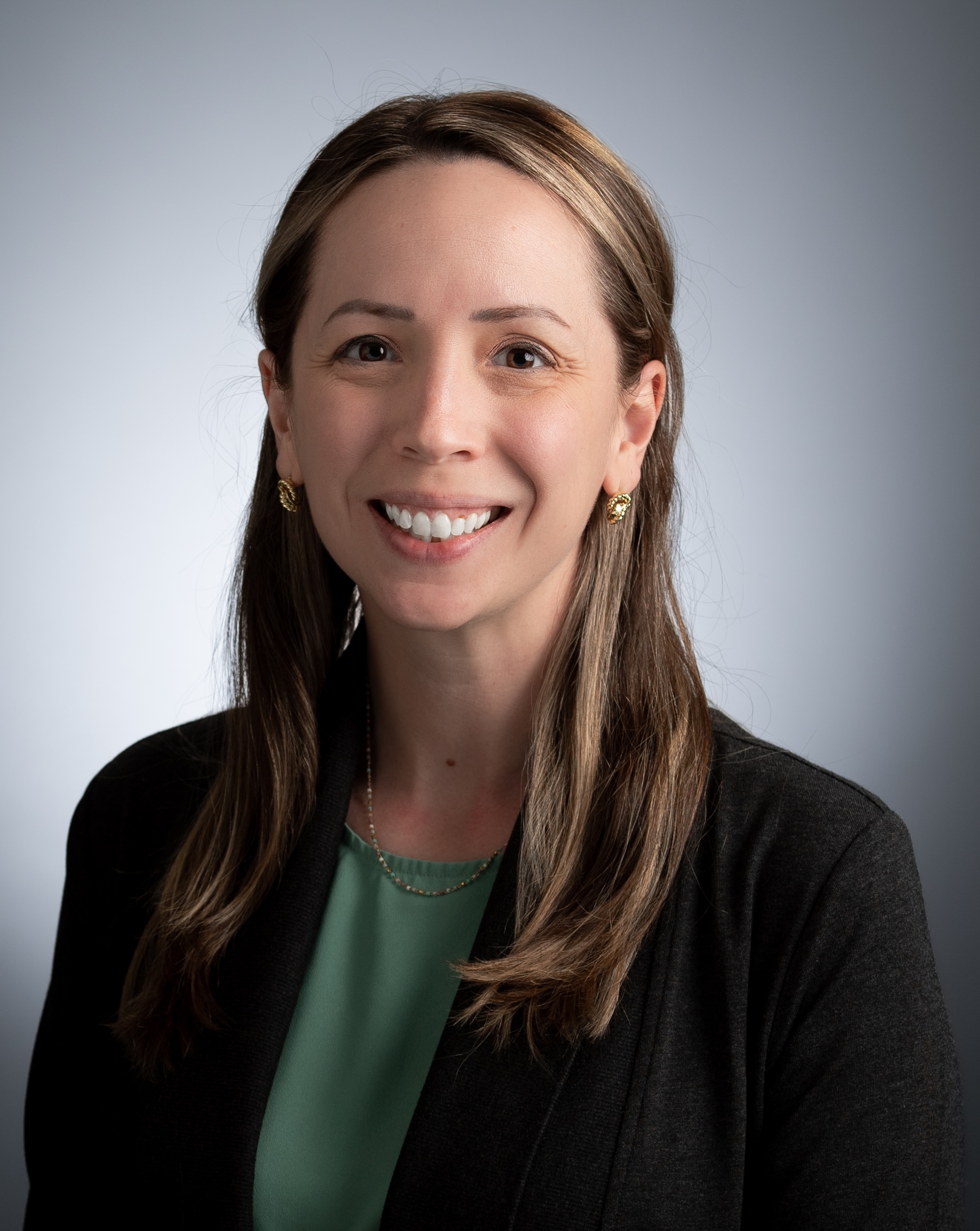 Anne Kane, M.D.
Through the yearlong program, scholars strengthen their research and grant-writing skills, build professional networks, and gain the knowledge and resources needed to advance their research careers.
As the newest HEREP cohort begins its training, we sat down with Anne Kane, M.D., associate professor in the UAB Department of Otolaryngology, to reflect on her experience as a member of the 2025–2026 cohort and how the program has helped prepare her for the next steps in her research career.
Q: Can you tell us about your current role at UAB?
A: I'm an associate professor in the Department of Otolaryngology and a head and neck surgical oncologist by training. I primarily care for patients with head and neck cancers, helping manage their treatment planning and discussing surgical and reconstructive options.
My research focuses on how patients with head and neck cancer may experience different health outcomes depending on their individual circumstances and needs.
Q: What initially interested you in participating in HEREP, and what were you hoping to gain from the experience?
A: The program was recommended to me by several former HEREP scholars who have since become part of my research mentor team here at UAB. It has a really good reputation and a strong commitment to connecting scholars with others, both through education and training and by building relationships with other researchers to help advance the careers of early-stage investigators.
I was hoping to improve my background in health services research, make connections, and further my progress as an early-stage investigator.
Q: Can you share a specific skill or lesson from the program that has made a difference in your research?
A: I think they do a really good job of providing a well-rounded education. There are lectures on a number of different subjects. Some focus more on research strategies, while others cover topics like the NIH process and recommendations for developing budgets. It's really valuable information to be able to get from one resource.
I also think the grant-writing retreat we did was very helpful. I was able to get feedback on some of the work I've done or am currently working on for future grants. Getting that feedback and those critiques is always helpful for revising and improving projects.
Q: How has participating in HEREP better prepared you for the next steps in your research career?
A: I think the connections made through the program are really great, both with mentors and other early-stage investigators. That was actually one of the benefits I may not have recognized at the beginning. I still keep in touch with a couple of people who went through the program with me.
The education provided is very well-rounded, and I think the program's support will continue to be impactful through the relationships I've built with mentors and colleagues who can help further my career.
Q: What advice would you give to early-career researchers considering applying to HEREP?
A: I think particularly if you're interested in health services research, it's a wonderful program. I would highly recommend it.
There's really good education and support, and there are a lot of people involved with the program who genuinely care about advancing the careers of early-stage investigators. Not only is it a valuable educational experience, but it's also a valuable network of mentors and fellow researchers.