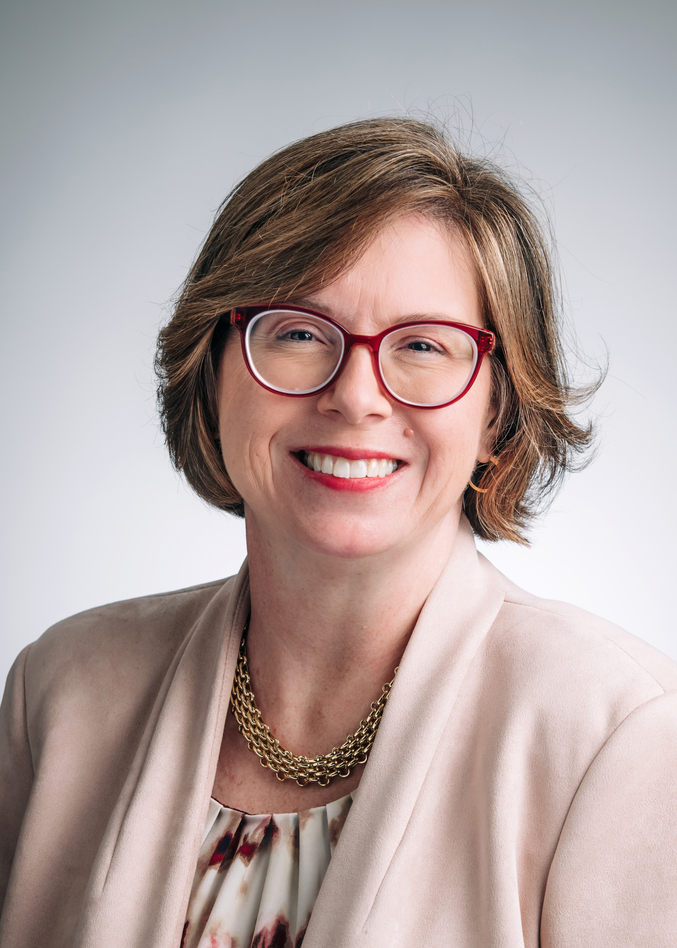
 Paige Porrett, M.D., Ph.D.Paige Porrett, M.D., Ph.D., professor in the Department of Surgery, Division of Transplantation, has been named the latest recipient of the school's Featured Discovery award. This recognition celebrates notable faculty research contributions and highlights the impact of their scientific advancements.
Her study, “Inhibition of NFAT after human uterus transplant promotes loss of tissue-resident NK cells and attendant pregnancy complications,” was published in Science Translational Medicine.
Porrett and her team set out to understand why pre-eclampsia, a disorder that causes high blood pressure during pregnancy, tends to be more common in women who have received an organ transplant. To accomplish this, they looked at uterus biopsies from uterus transplant patients. Upon investigation, they learned that an immune cell important for normal pregnancy was unexpectedly diminished due to immunosuppression. “One of the anti-rejection drugs taken by patients during transplant prevents these immune cells, called natural killer cells, from staying within the uterus,” said Porrett. “Because the immune cells aren't in the tissue where they are supposed to be, the placenta does not develop properly, and pre-eclampsia develops.”
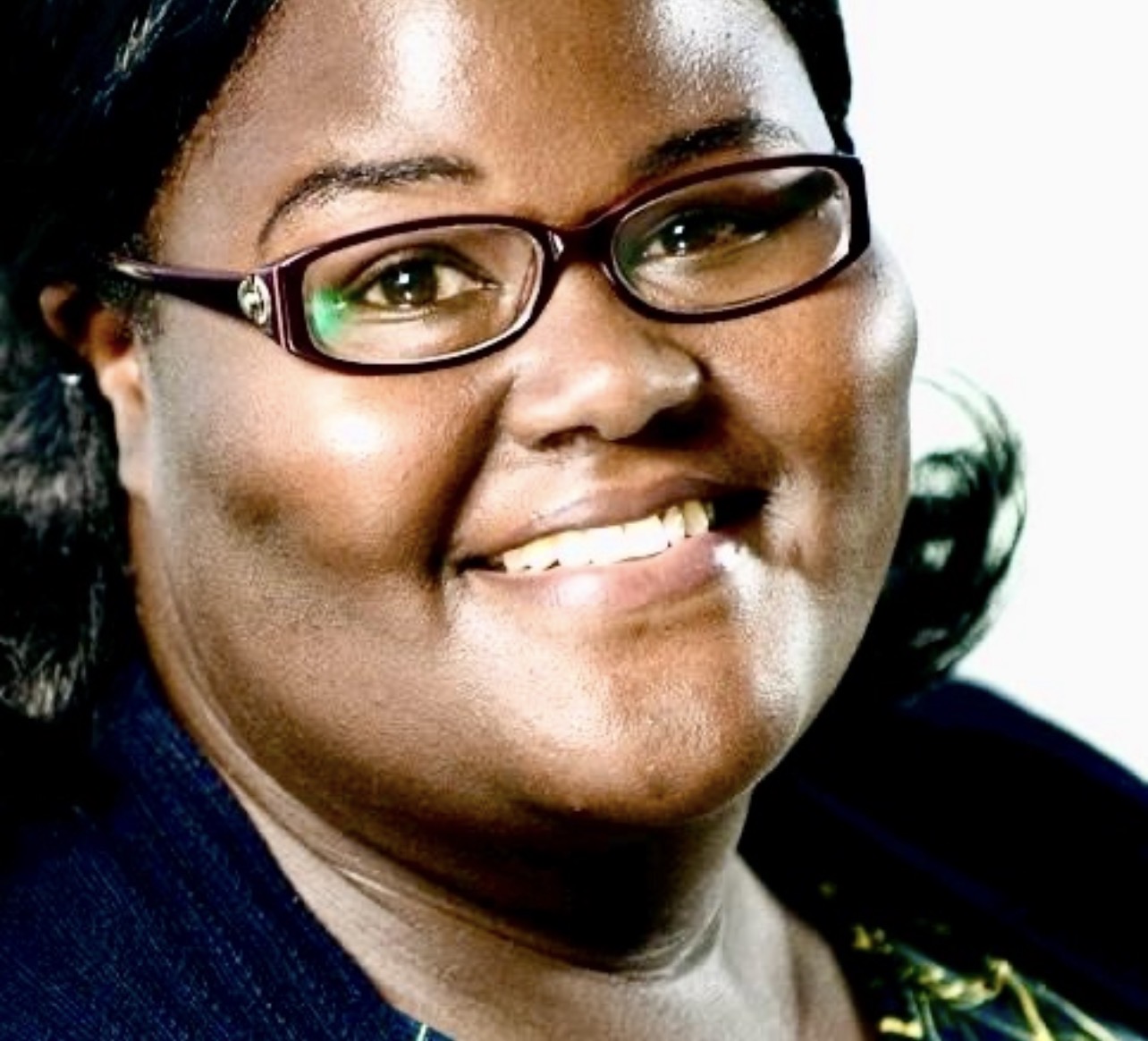 Rebecca Asiimwe, MS"Our findings demonstrate how advances in sequencing technologies and computational approaches can accelerate the discovery and elucidation of immune mechanisms, previously unrecognized correlations, and complex biological processes that shape pregnancy and other health outcomes,” said Rebecca Asiimwe, MS, bioinfomatician in the Department of Surgery, Division of Transplantation, and first author of the study. “We are excited about these findings and their implications for the field, particularly the potential to inform and improve patient care. We are also deeply grateful to our patients, our research team, collaborative efforts here at UAB and across the U.S., as well as the institutions that have supported our research. This work would not have been possible without their contributions and continued support."
The Heersink communications team met with Porrett to gain insights into the study and help raise awareness about both the research and the Heersink School of Medicine.
What was your most unexpected finding?
That a subset of natural killer cells was reduced in the tissue because of one of the immunosuppression drugs. Natural killer cells are not the usual targets of these drugs in clinical transplantation, and they are not thought to have the molecular machinery that would be affected by these drugs. We learned otherwise, which was quite a surprise.
How do you feel your research will impact the science community?
It improved our understanding of the cells and molecular pathways that contribute to the development of pre-eclampsia, which is a disease that affects about 8% of pregnancies in the general population and is very poorly understood. Our work also identified that natural killer cells, which are important to ward off disease outside of pregnancy, use certain molecular circuits to stick in tissues, and this was not previously known. This knowledge may allow other researchers, such as scientists trying to engineer immune cells to enter a cancer and kill the tumor, to improve their knowledge of how to get this immune cell population where it needs to be to do just that.
When did you know you had an important discovery?
We knew we were onto something when we determined that the natural killer cells were reduced in biopsies from these transplant recipients. However, it took a long time and many patient biopsies before we reproduced the result. This is key in science - reproducibility - and is very hard to accomplish in human studies where there are more variables that can affect the data.
How has being at UAB and living in Birmingham affected your research?
This research could not have happened without UAB’s support for the opening of the uterus transplant program in the past.
What made you come to UAB?
I was recruited here in 2020 by Jayme Locke, M.D., MPH, professor in the Department of Surgery, Arnold G. Diethelm MD Endowed Chair in Transplantation Surgery, and former director of the UAB Comprehensive Transplant Institute, to open the fourth uterus transplant program in the United States.
What do you find makes the science community here unique?
The support from many of the scientists who work in the UAB Institutional Research Core Program is incredible. Specifically, Shanrun Liu, Ph.D., associate director of the Single Cell Core Facility, and Sagar Hanamanthu, MBBS, MS, associate director of the Flow Cytometry and Single Cell Core Facility, were instrumental in this research. Many other people in these facilities also helped us do the work. These individuals do a tremendous amount of work with limited resources, and the demands on their time are extraordinary. They have always been willing to go the extra mile for us, and we are deeply appreciative. People make all the difference, and I hope this is remembered during these times when research funding is increasingly restricted.