UAB Medicine Magazine
.uab-feed-side-by-side__item img { transition:transform .3s ease-in-out } .uab-feed-side-by-side__item:hover img { transform:scale(1.1); } The Power Principle Nov 18, 2025 Heersink faculty members share insights on the power of innovation, compassion, and discovery to shape the future of medicine. Student Spotlight: Healing in Pieces Nov 18, 2025 A Ph.D. candidate reflects on lessons learned about injury, recovery, and growth A Century of Service Nov 18, 2025 At 100, Cecil Prescott Jr., M.D., becomes oldest living alumni association member Fall 2025 Medical Alumni Association News Nov 18, 2025 Recent and upcoming events, programs, and activities Bellows, Presses, and Body Parts Nov 18, 2025 Anatomical manikin bridges art, history, and science Funding the Future Nov 18, 2025 $10 million endowment to support Parkinson’s, Alzheimer’s, Huntington’s and ALS research and education. It’s All About the Students Nov 18, 2025 Burleson Foundation gift creates historic endowment for Department of Medical Education Investing in Tomorrow Nov 18, 2025 Barber Companies’ gift accelerates innovation and training in vascular surgery
How dedicated guidance shaped Brenton Bicknell’s path to medicine and research
Heersink faculty members share insights on the power of innovation, compassion, and discovery to shape the future of medicine.
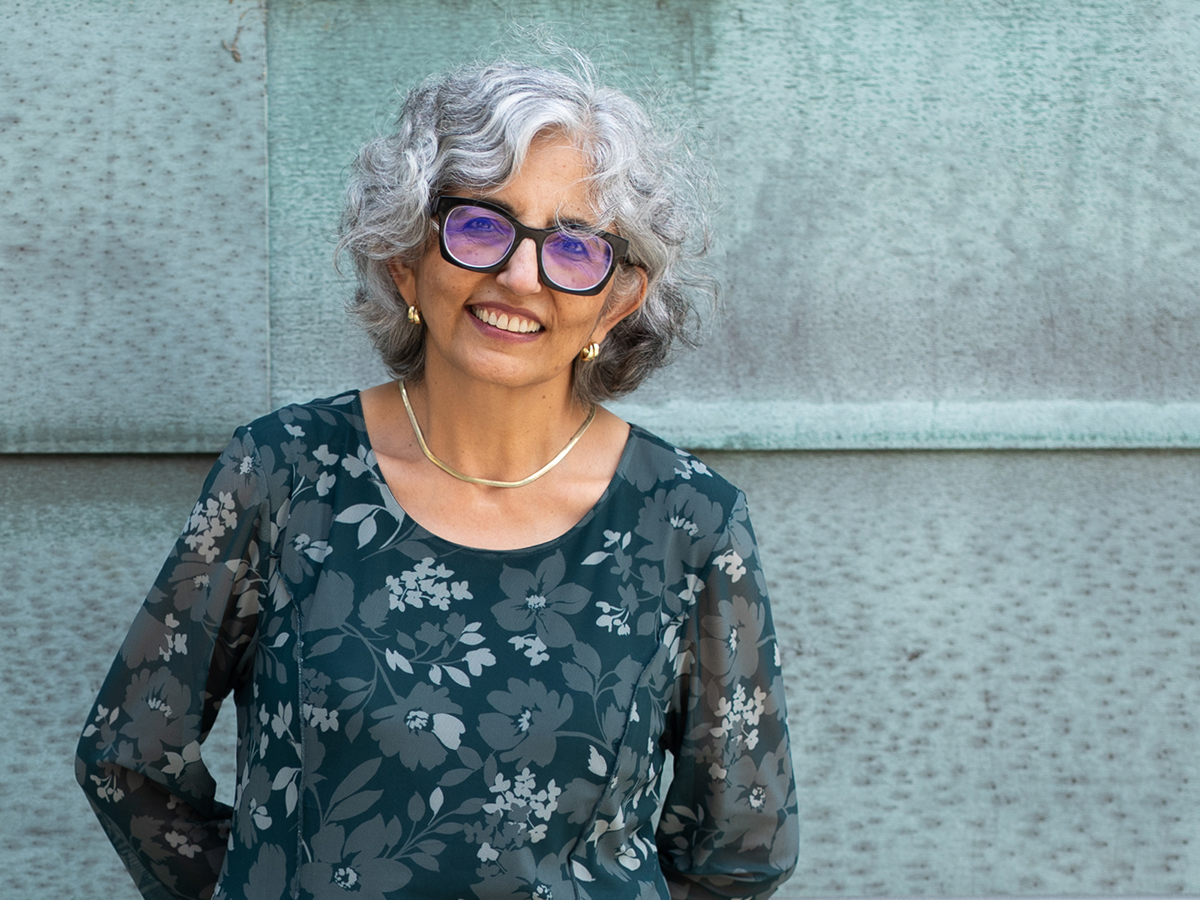
For many, the story of cancer in recent decades has been one of progress. Survival rates have improved dramatically, new therapies hold incredible promise, and once-deadly diagnoses now come with hope. Yet, as Smita Bhatia, M.D., MPH, director of the UAB Institute for Cancer Outcomes and Survivorship, and distinguished professor in the Division of Hematology-Oncology, Department of Pediatrics, reminds us, survival is only part of the story. The long-term health and quality of life of survivors require just as much attention—and that’s where the power of lifelong, risk-based care comes in.
Early in his career, Michael Allon, M.D., professor in the UAB Division of Nephrology, Department of Medicine, noticed that the prevailing wisdom concerning vascular access did not match his observed experience.
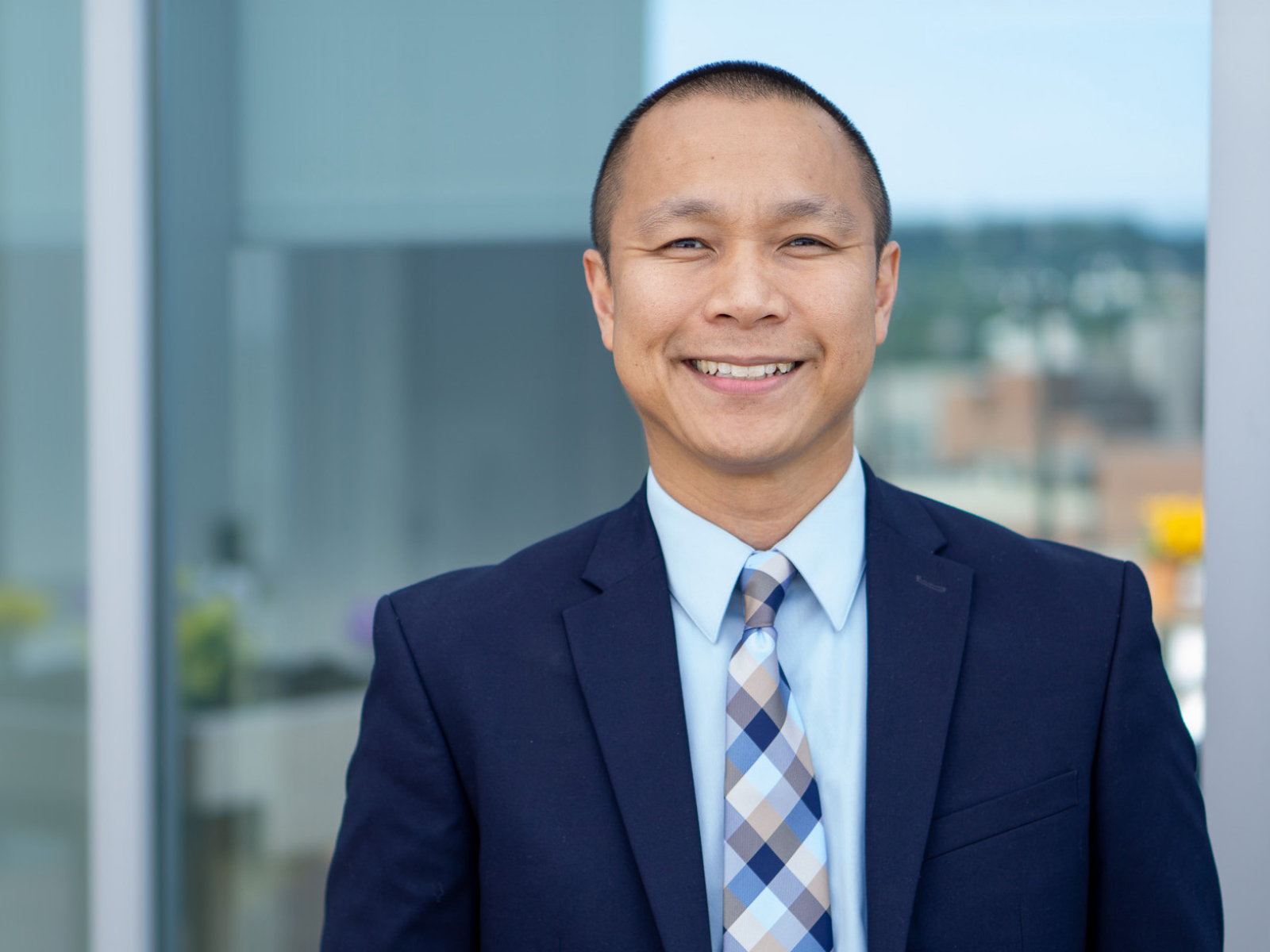
On any given day at UAB Hospital-Highlands, Berdale Colorado, D.O., MPH, might be helping a ballet dancer recover from a foot injury, performing a platelet-rich plasma injection on a tennis player’s elbow, or diagnosing a nerve injury.
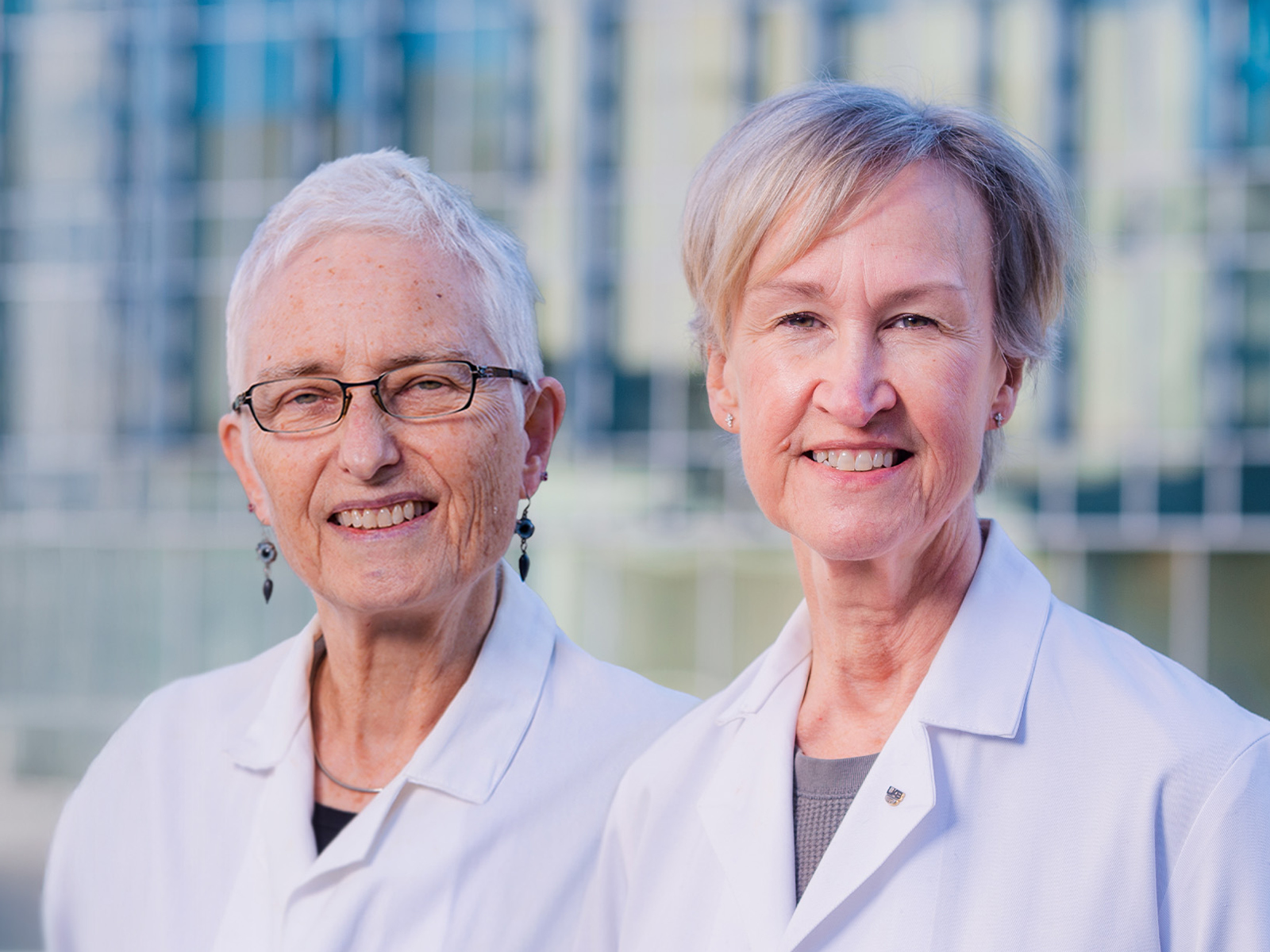
It was the mid-1980s when two young vision scientists found themselves on converging paths that would reshape how the world understands age-related macular degeneration (AMD), a disorder of the retina that is a leading cause of vision loss in older adults.
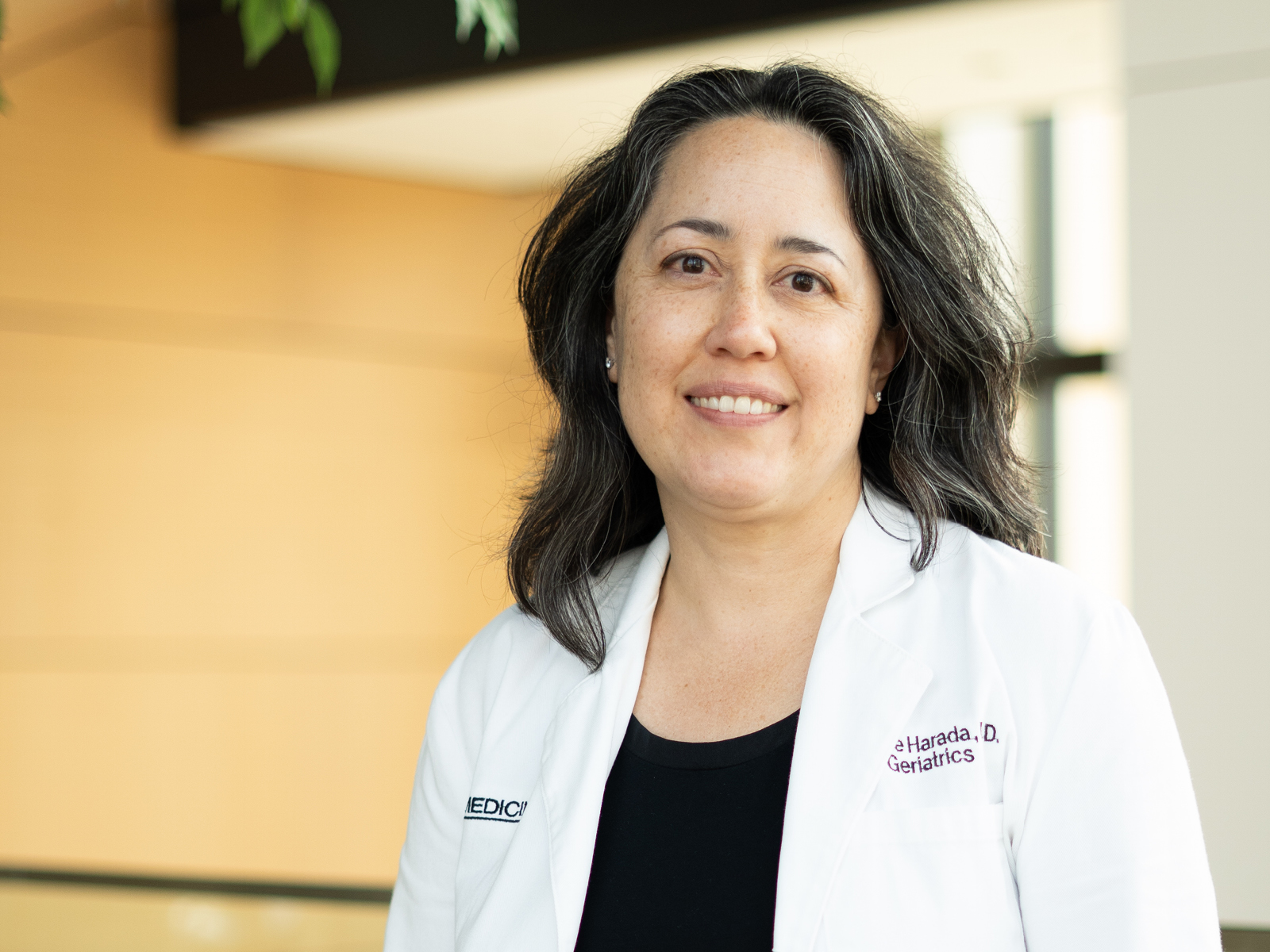
The grand rounds session at the Heersink School of Medicine is quiet and charged with attention. Caroline Harada, M.D., professor in the Department of Medical Education, watches as a student unfolds the story of a man from rural Alabama who—afraid of hospitals—grew out his hair to conceal a lump on his head. When his wife discovered it, she took him to the doctor. The diagnosis was grim: stage 4 meningioma (a tumor that grows from the membranes surrounding the brain and spinal cord) with metastases to the spine.
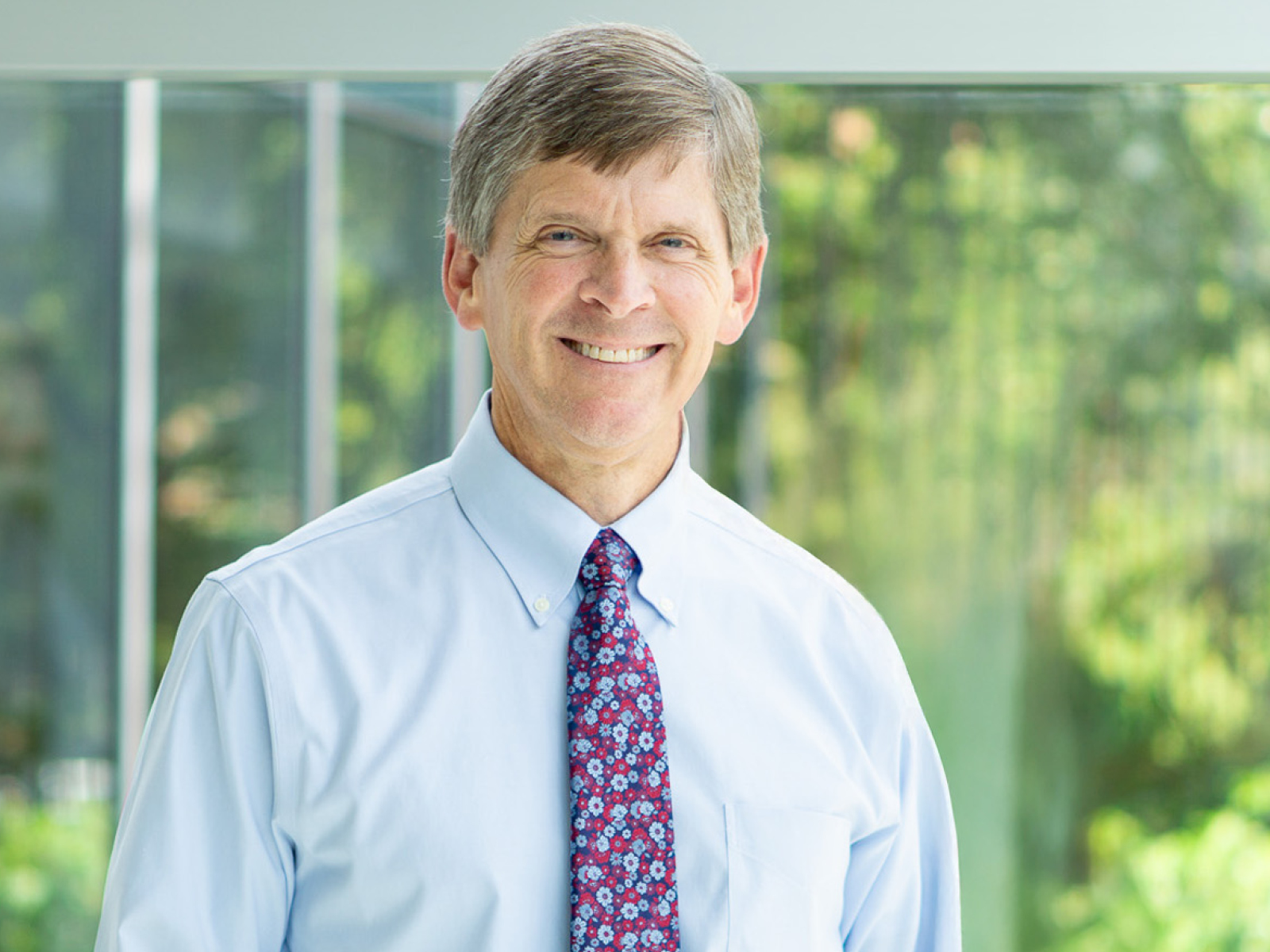
When David Kimberlin, M.D., arrived at UAB in 1994, he joined a legacy decades in the making. Drawn by UAB’s expertise in virology, Kimberlin became part of a multi-institutional effort—first called the Collaborative Antiviral Study Group (CASG) and now known as the Congenital and Perinatal Infections Consortium (CPIC)—dedicated to understanding and treating rare viral infections in newborns.
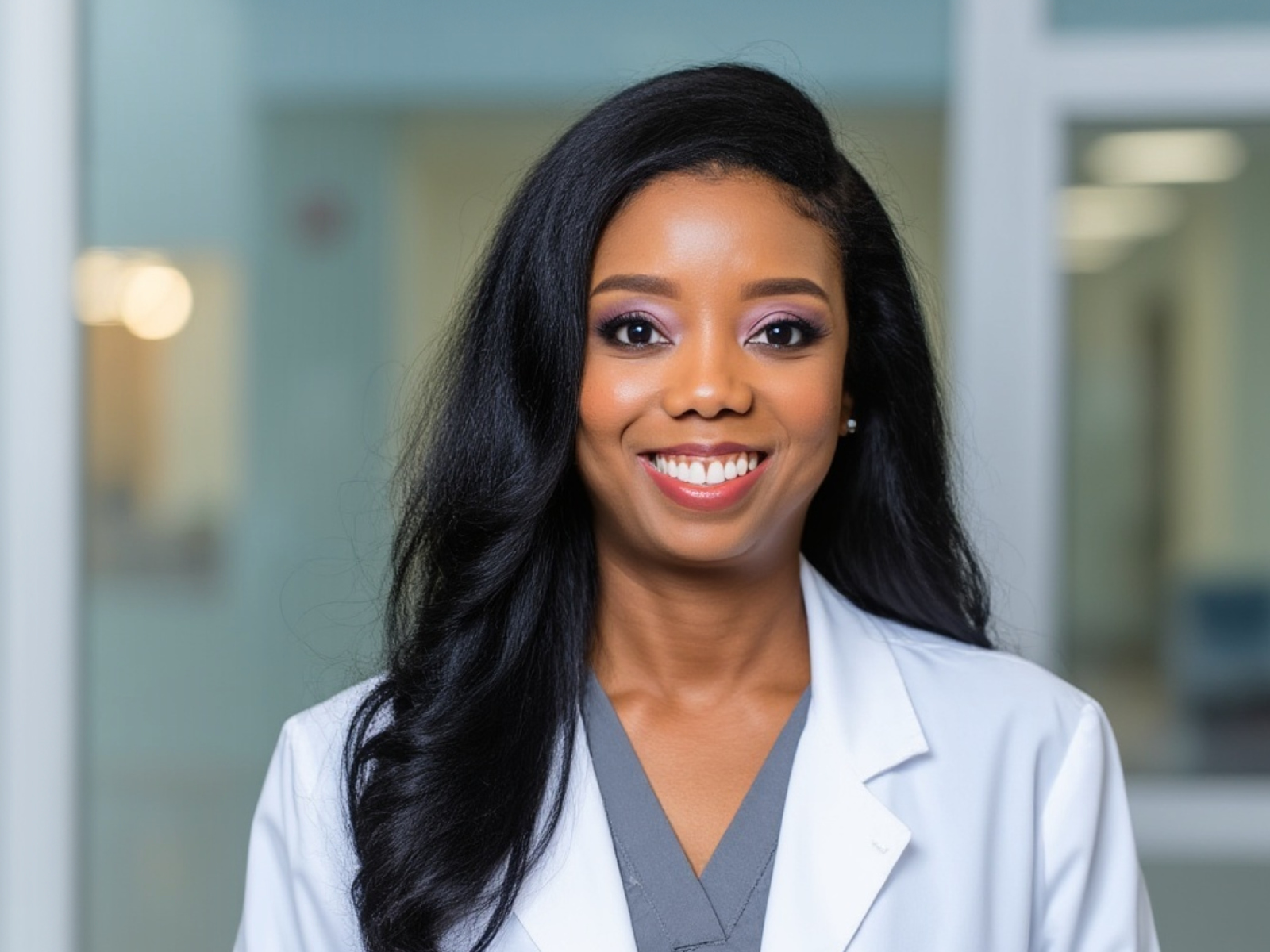
A single memory can shape the course of a person’s entire life. For Farah Lubin, Ph.D., distinguished professor in the UAB Department of Neurobiology, memories didn’t just influence her life—they shaped her career, driving her to become a trailblazer in the field of epigenetics and memory research.
A Ph.D. candidate reflects on lessons learned about injury, recovery, and growth
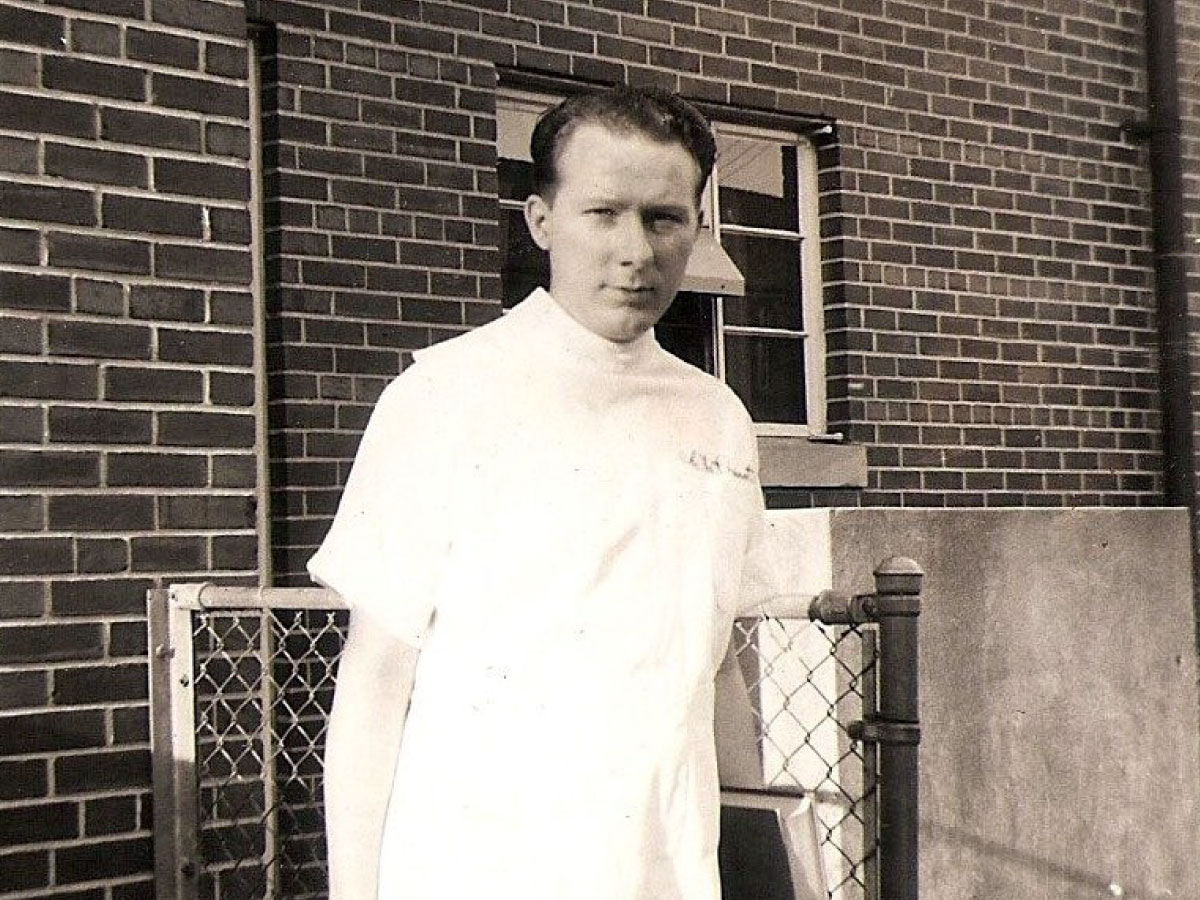
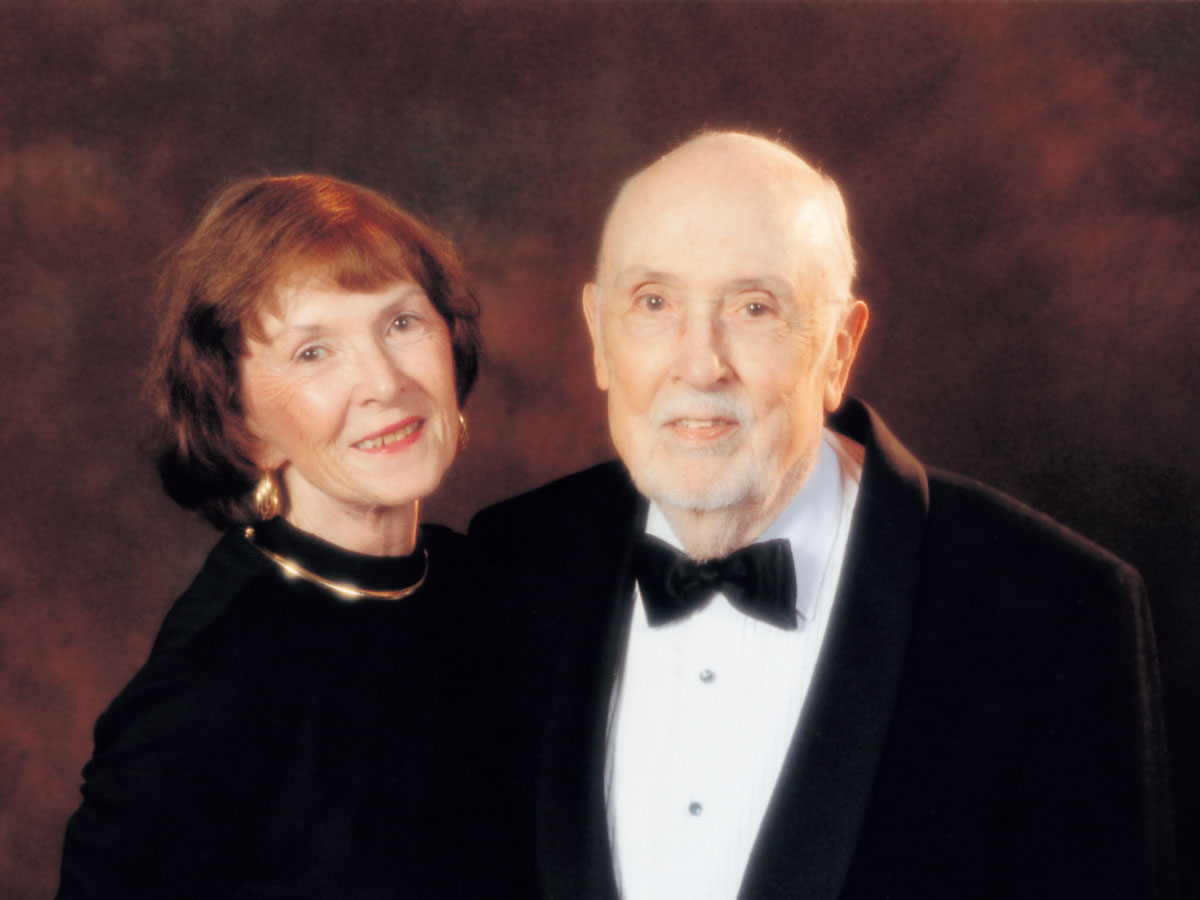
At 100, Cecil Prescott Jr., M.D., becomes oldest living alumni association member
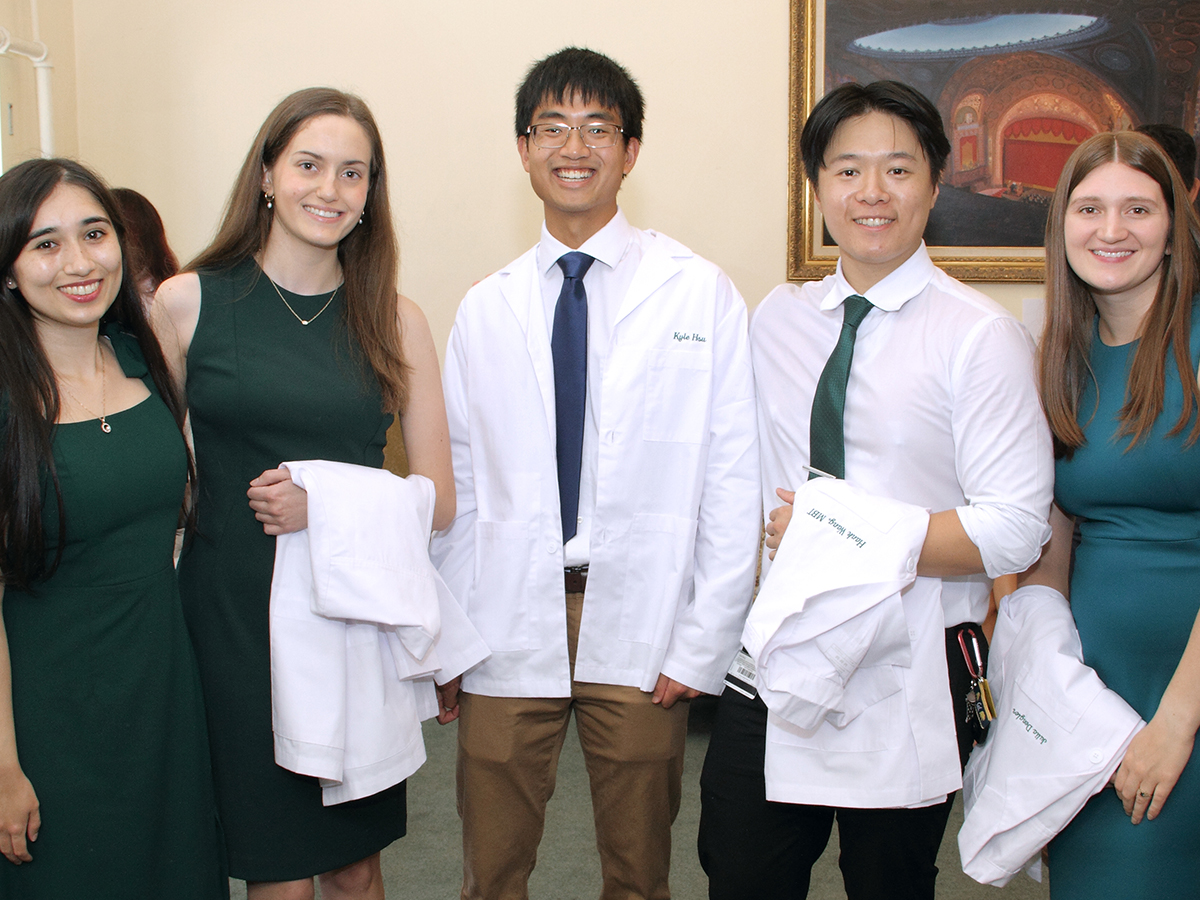
Recent and upcoming events, programs, and activities
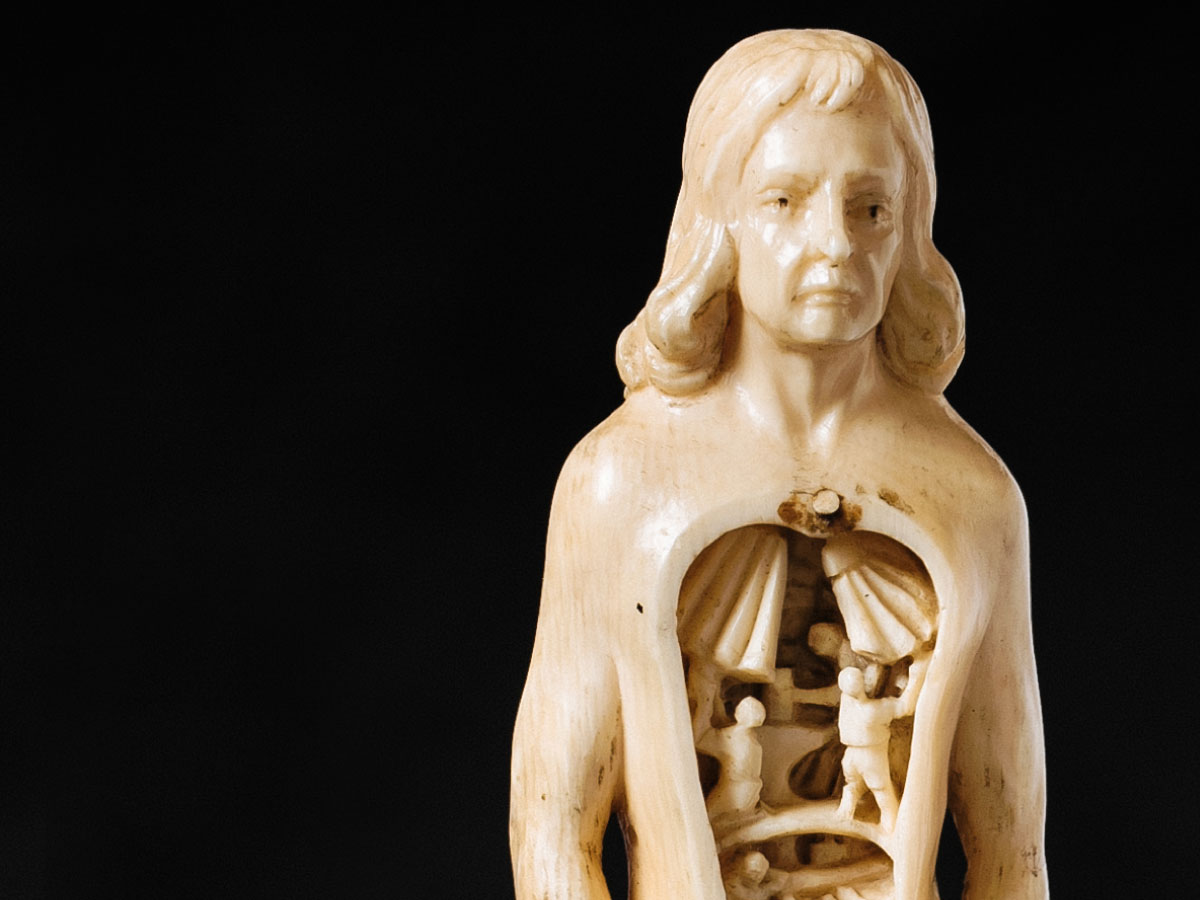
Anatomical manikin bridges art, history, and science
$10 million endowment to support Parkinson’s, Alzheimer’s, Huntington’s and ALS research and education.
Burleson Foundation gift creates historic endowment for Department of Medical Education

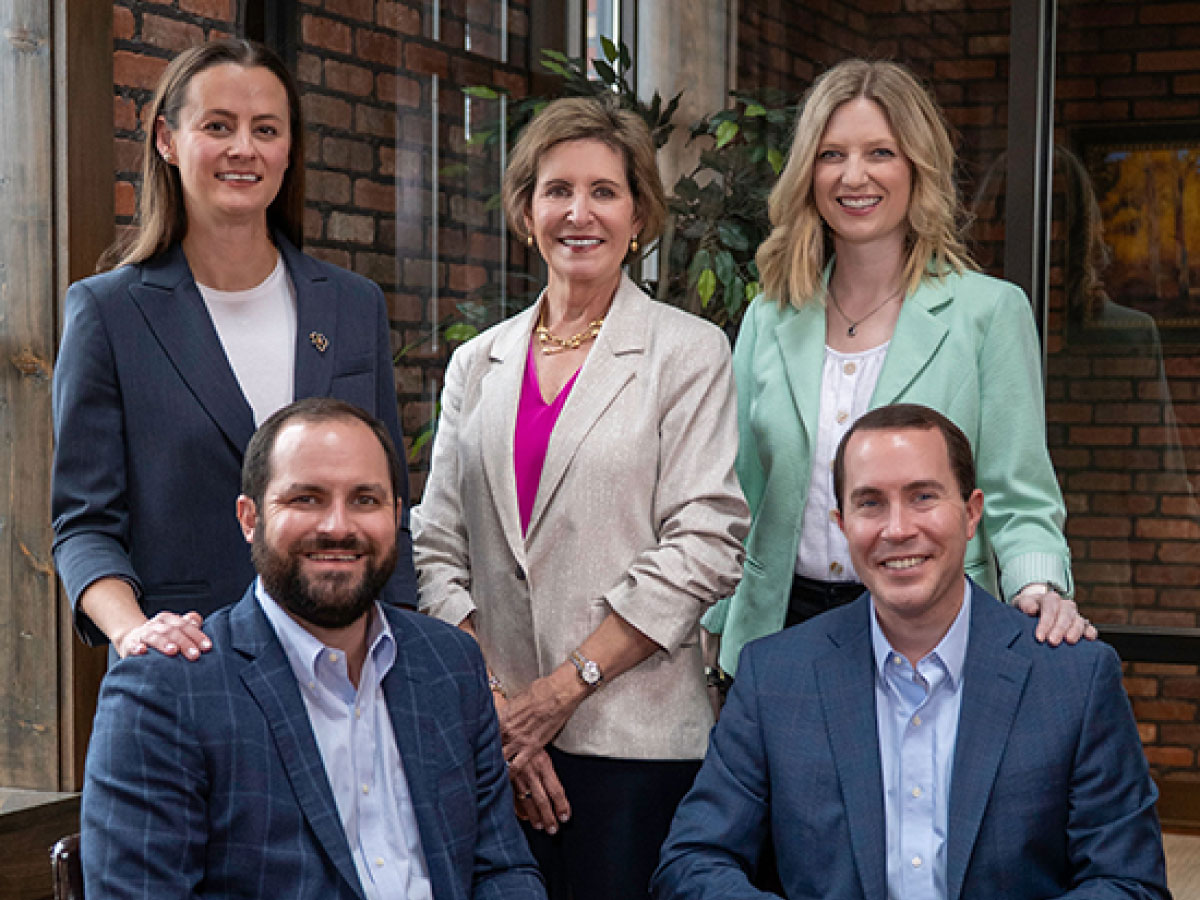
Barber Companies’ gift accelerates innovation and training in vascular surgery

Before there were MRI machines or CT scans—never mind the possibility of using AI to unlock the mysteries of the human brain—there was Civitan International.

When it comes to cervical cancer, Alabama has one of the highest rates of new cases and mortality. A dire situation to be sure, but there is a silver lining: Alabama also leads the country in the effort to eliminate cervical cancer as a public health threat.
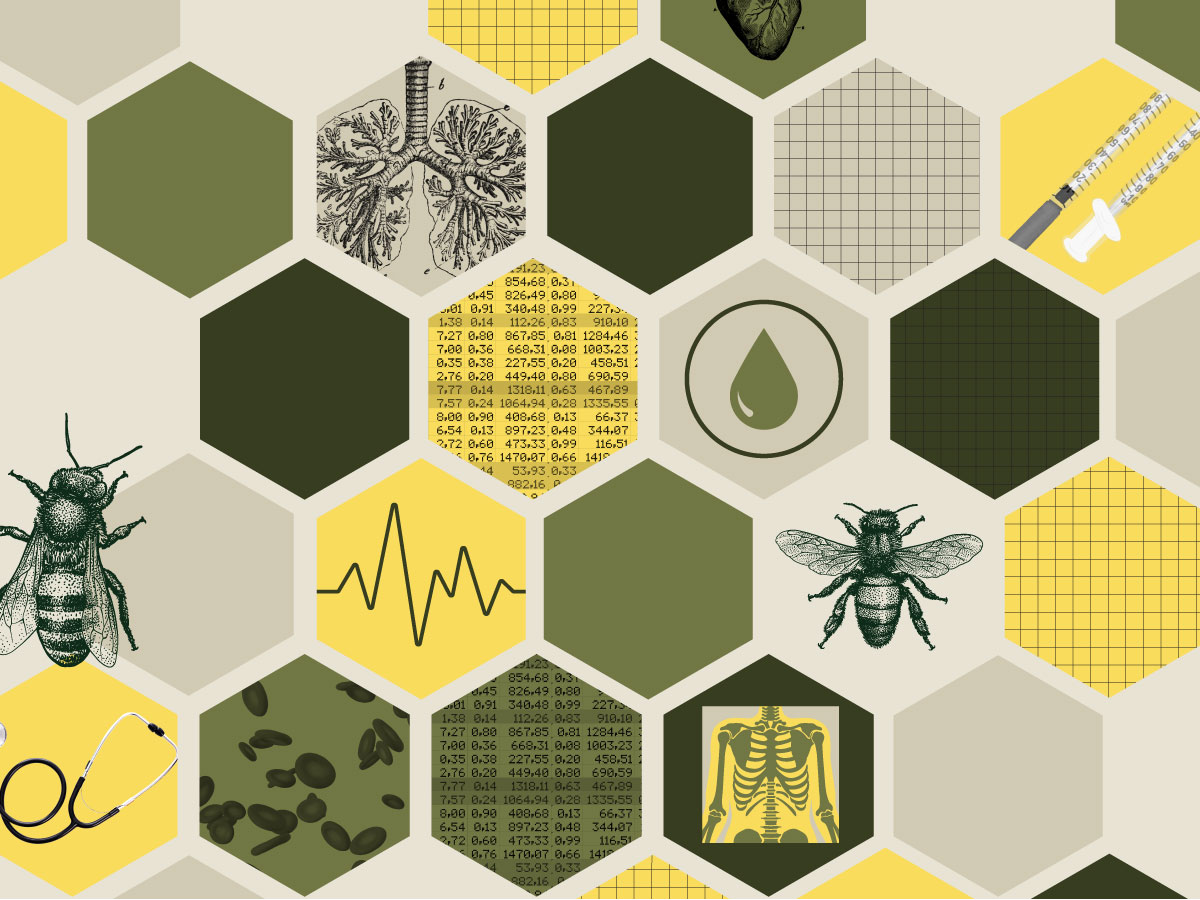
Academic medical centers (AMCs) are among the United States’ most active hives of biomedical innovation thanks to their often robust research enterprises. Increasingly, AMCs like the Heersink School of Medicine play a central role in another realm of innovation: the biomedical/biotech start-up space.
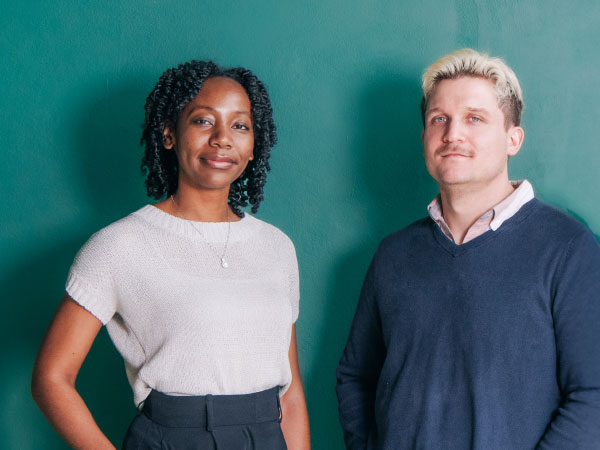
How research enriches the medical school experience. Federico Prokopczuk is in his fourth year as an M.D./Ph.D. trainee. A native of Rancho Cucamonga, California, he graduated from California State University, Northridge with a Bachelor of Science degree in microbiology before joining the Heersink School of Medicine in June 2021.
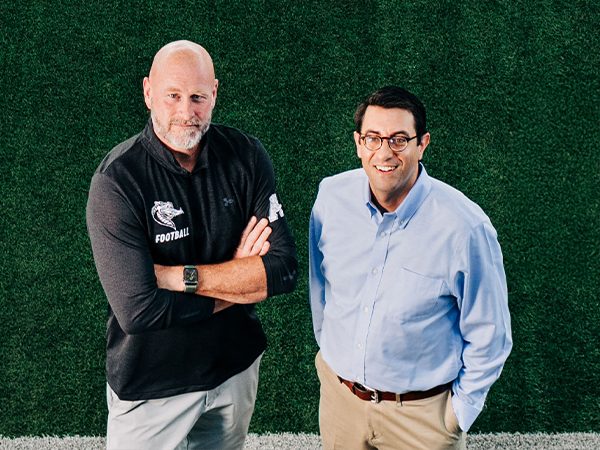
In football, there are phrases that are as familiar to a player’s ears as the sound of a coach’s whistle: “Suck it up … Fight through it … Shake it off.” Tough words for a tough sport. But even as coaches push players to test their physical limits, they understand that injuries require time and resources to heal.
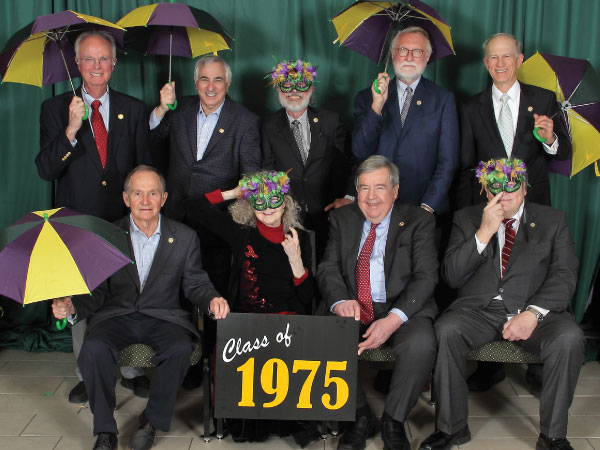
The 2025 Medical Alumni Weekend, held February 28-March 1, brought together over 250 alumni and guests for a celebration infused with the spirit of Mardi Gras. This festive gathering provided a unique opportunity for alumni to reconnect, reminisce, and engage with the evolving landscape of the Heersink School of Medicine.

Meet some of Heersink’s outstanding new faculty members. Each issue, we introduce you to several of the exceptional new faculty that have joined the Heersink School of Medicine. These outstanding recruits—just a few of the many new faces we welcome to our faculty each year—bring with them a wealth of expertise, impressive research portfolios, and a commitment to excellence in shaping the future of medicine and health care.
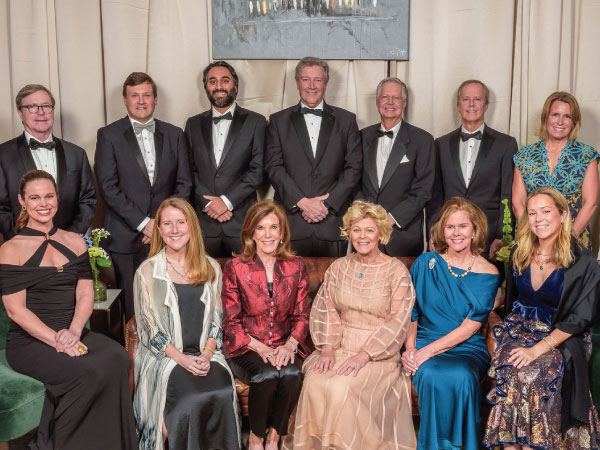
Honoring the O’Neal family for investing in cancer care and research. The UAB O’Neal Comprehensive Cancer Center recognized the O’Neal family this past February as the ArtBLINK Gala honorees for their transformative gift to name the O’Neal Comprehensive Cancer Center in 2018.
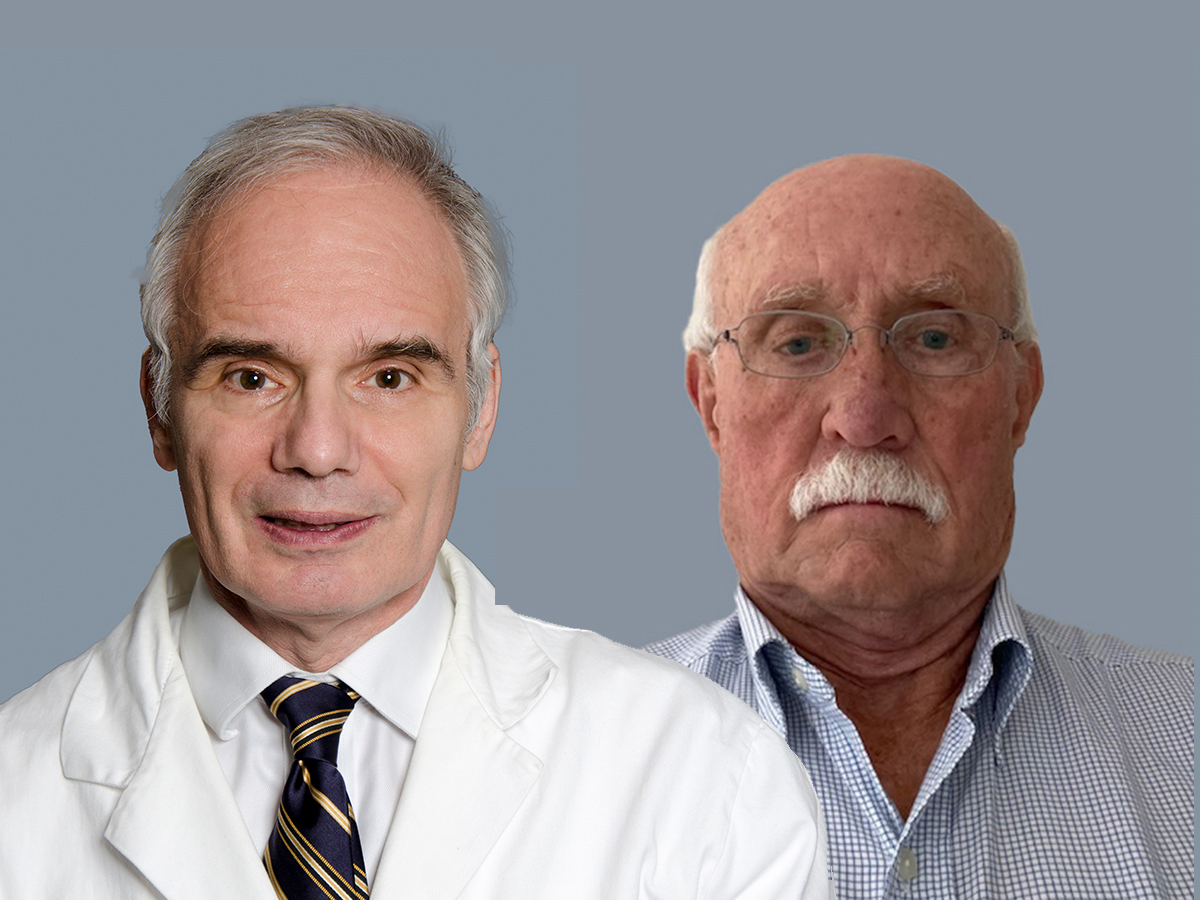
Gift from UAB Urology leaders establishes endowed professorship. In 2012, urology care, research, and training at UAB entered a new era when the Division of Urology became a department.
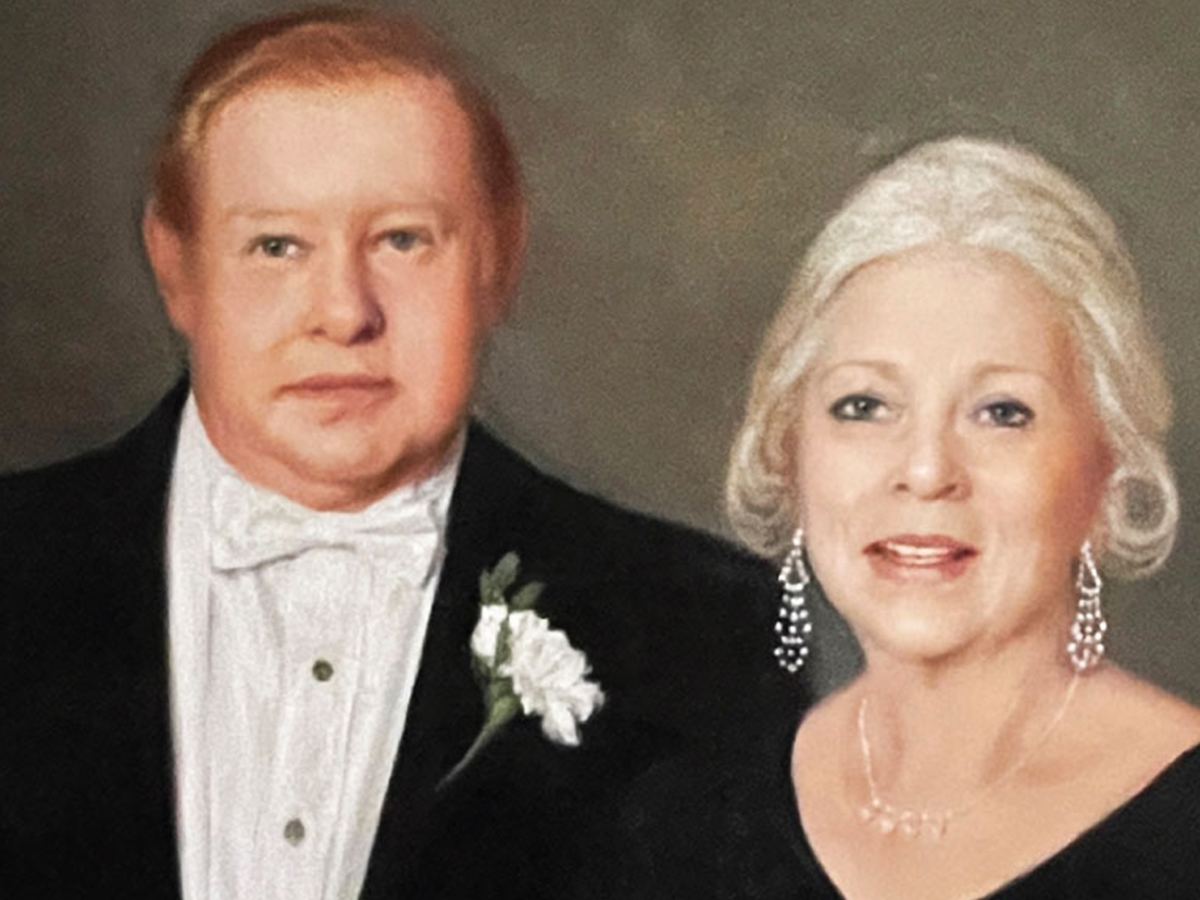
The Beard family extends their legacy of compassion and care. How do you celebrate an extraordinary family? One that has devoted themselves to bringing skilled nursing into thousands of homes across Alabama? One that has given generously in support of hospice and palliative care for decades?

Artist with a passion for travel commits bequest to establish scholarship. Gerda Carmichael believed the world was meant to be explored. Born in 1930 to French and German immigrant parents in the heart of New York City, Carmichael knew the importance of hard work.
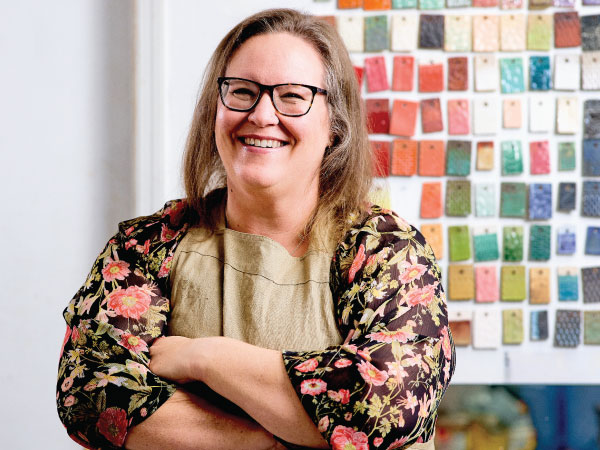
Kelly Hyndman shares her love of pottery-making. Kelly Hyndman, Ph.D., associate professor in the Division of Nephrology, Department of Medicine, discovered her passion for pottery in 2015.
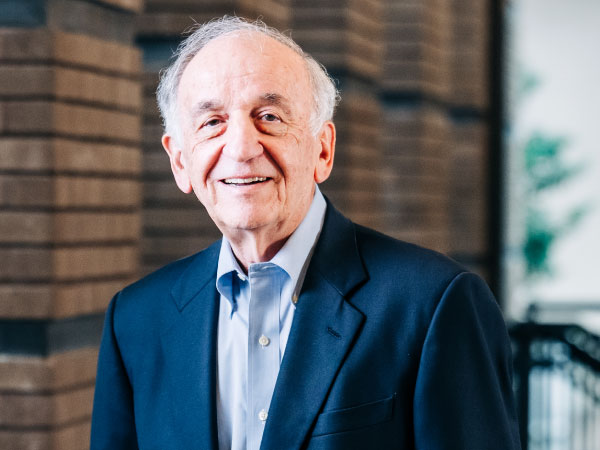
Sheldon Kushner, M.D., reflects on life as a young trauma surgeon during the Vietnam War. “Wheels are up,” declared the captain of the aircraft carrying Sheldon Kushner, M.D., and other military personnel departing from Tan Son Nhut Air Base in Saigon, Vietnam—ending Kushner’s arduous tour of duty as a trauma surgeon during the height of the Vietnam conflict in 1969.
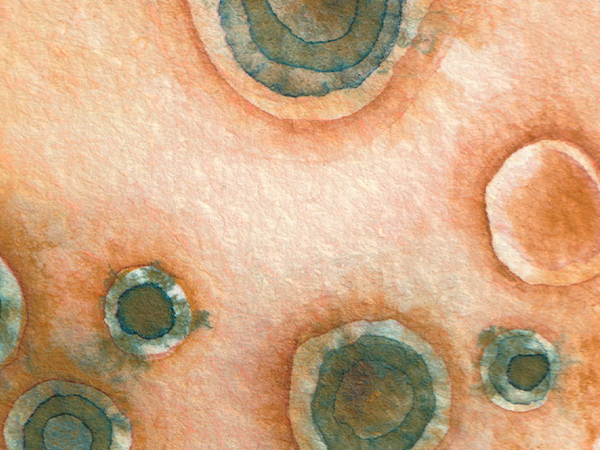
“Alabama is a hotbed for fungal diseases,” said Peter Pappas, M.D., professor in the Division of Infectious Diseases in the Heersink School of Medicine. “We see as much or more in the way of fungal infections as anyone in the country.” Pappas is a leader of the Mycoses Study Group, a world-renowned, UAB administered group of experts who focus on understanding and treating invasive fungal infections and have led most of the clinical trials for FDA-approved antifungal treatments. (Mycology is the study of fungi; mycoses are invasive fungal infections.)

In the early 1980s, a hit TV show introduced many Americans to artificial intelligence (AI). While Michael Knight, famously portrayed by David Hasselhoff, was technically the main character of “Knight Rider,” it was KITT, a black 1982 Pontiac Trans Am with the power to think and talk, that spurred fans of the show to tune in week after week.
As our society evolves so, too, do the health challenges we face. UAB Medicine is at the forefront of addressing emerging and evolving health issues with the introduction of new clinics and programs designed to meet the dynamic needs of patients at every stage of life. Among these are the UAB Comprehensive Smell and Taste Clinic, which responds to the increased prevalence of smell and taste disorders following the COVID-19 pandemic, providing specialized care and innovative treatment options.
As chair of the UAB Department of Psychiatry and Behavioral Neurobiology, Adrienne Lahti, M.D., has a unique perspective on the mental health care landscape in Alabama. “Alabama ranks very low in mental health care,” she said. “In metrics comparing different states’ mental health statistics and access to care, Alabama is usually at 47, 48, 49. The demand is huge.”
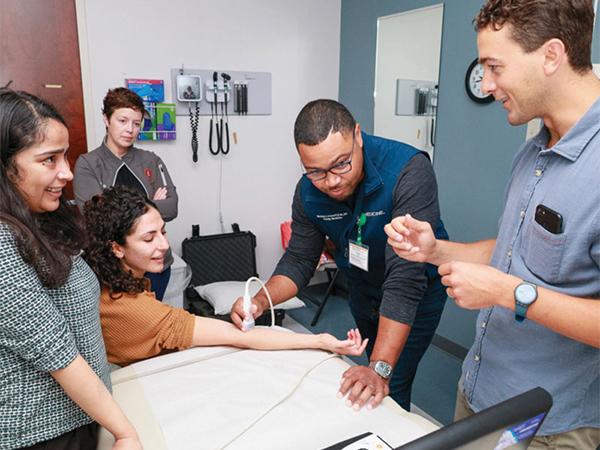
It’s been called “The Stethoscope of the Future.” Point-of-care ultrasound (POCUS) can be applied in a variety of settings thanks to its small size and portability, from hospital bedsides to sports sidelines to primary care clinics. These palm-sized devices allow health care providers to quickly and easily perform ultrasound scans, creating detailed images that can help clinicians make informed decisions or provide real-time guidance during a procedure. The devices can aid in identifying various conditions, including soft-tissue infections, fluid accumulation, and heart failure.
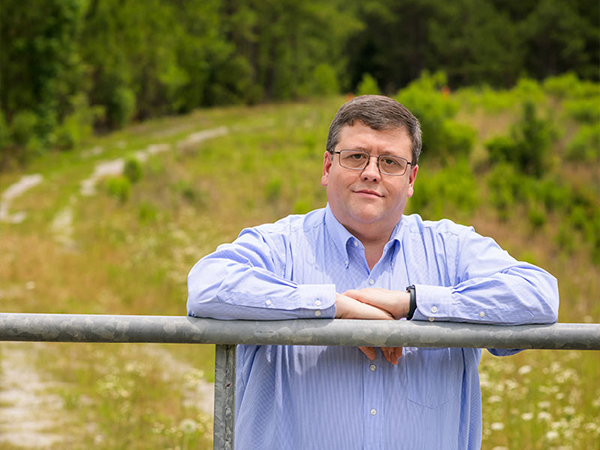
Growing up in Eutaw, Alabama, (pop. 2,803), Drake Lavender, M.D., suffered from asthma and severe allergies. His lifeline was his family doctor, Rucker Staggers, M.D., who treated him weekly with allergy shots, and the two developed a strong patient-doctor bond.

Families of children with autism spectrum disorder (ASD) face complex and often overwhelming challenges—understanding how the condition impacts their child, accessing support services, and coping with the financial strain of therapies and interventions that health insurance may not cover. Birmingham business owner and CEO Sheila Benson and her family experienced many of these struggles when her grandson, now 16, was diagnosed with ASD at age 2.

The summer of 2024 marked a transformational turning point for health care in Alabama with two important developments. These advances promise to not only improve access to care for people in the Birmingham area and across the state, but also to advance the UAB Health System’s mission to provide life-changing care to all it serves.
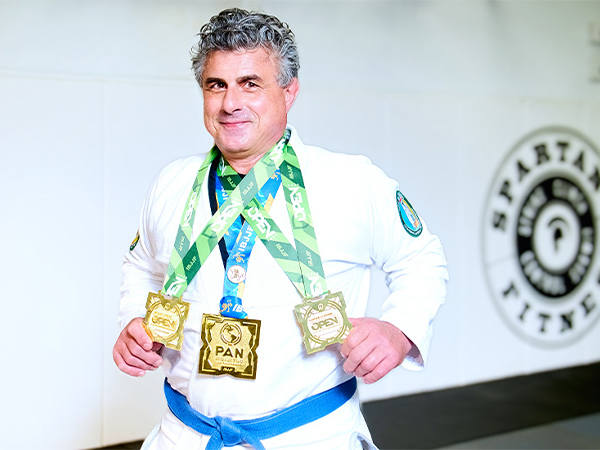
A distinguished professor in the Heersink School of Medicine, a professor in the Department of Surgery, and holder of the Champ Lyons Endowed Chair in General Surgery, Aurelio Galli, Ph.D., D.S.c, was introduced to martial arts at age 6, when his father enrolled him in judo to manage his frequent falls. Growing up in northern Italy, Aurelio swiftly excelled, becoming a multiple-time regional champion and achieving a brown belt.
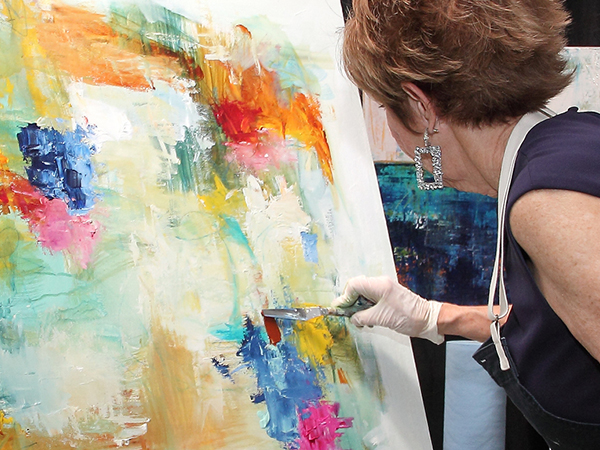
Once a year, when Gabrielle Rocque, M.D., an associate professor in the Division of Hematology and Oncology, enters the Kirklin Clinic on the night of the annual ArtBLINK gala, she sees the space where she normally cares for breast-cancer patients reimagined as the site of a lively, black-tie celebration. “It blows me away,” she said. “It’s completely transformed.”
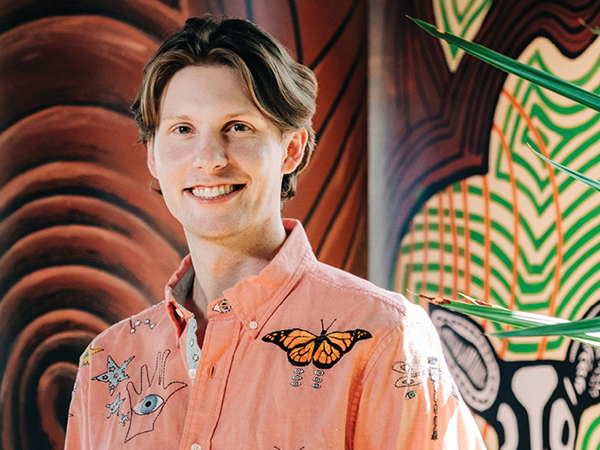
There is an open secret among tattoo artists, dermatologists, and the small group of researchers studying the effects of tattoo ink: Red ink causes the most problems.
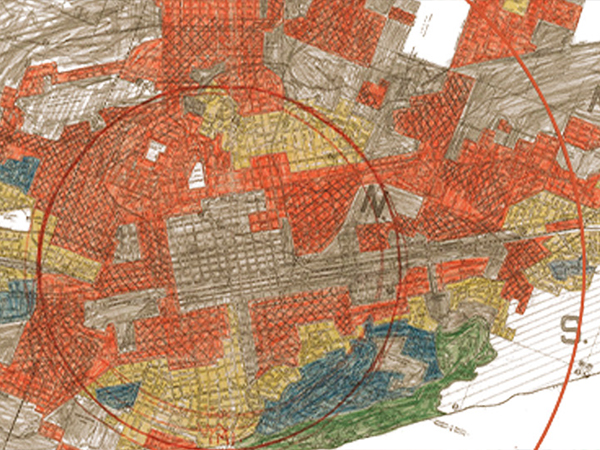
A nationwide study of 196 cities shows that housing discrimination from 90 years ago still casts a shadow of inequities in colon cancer care today, S.M. Qasim Hussaini, M.D., assistant professor in the Division of Hematology and Oncology, and colleagues at the American Cancer Society and Johns Hopkins School of Public Health reported in the journal JCO Oncology Practice.
Throughout her career as a young physician, the late Priya Nagar, M.D., had a special understanding of her patients’ challenges because of her own experiences with pain, serious illness, and healing.