Jan Novak, Ph.D., Distinguished Professor and the Jiri Mestecky Endowed Professor in the Department of Microbiology, is helping to build a new partnership between UAB and Fujita Health University (FHU) in Japan. The collaboration, formalized Sept. 21 with the signing of a memorandum of understanding, creates a framework for scientific and academic cooperation between the two institutions.
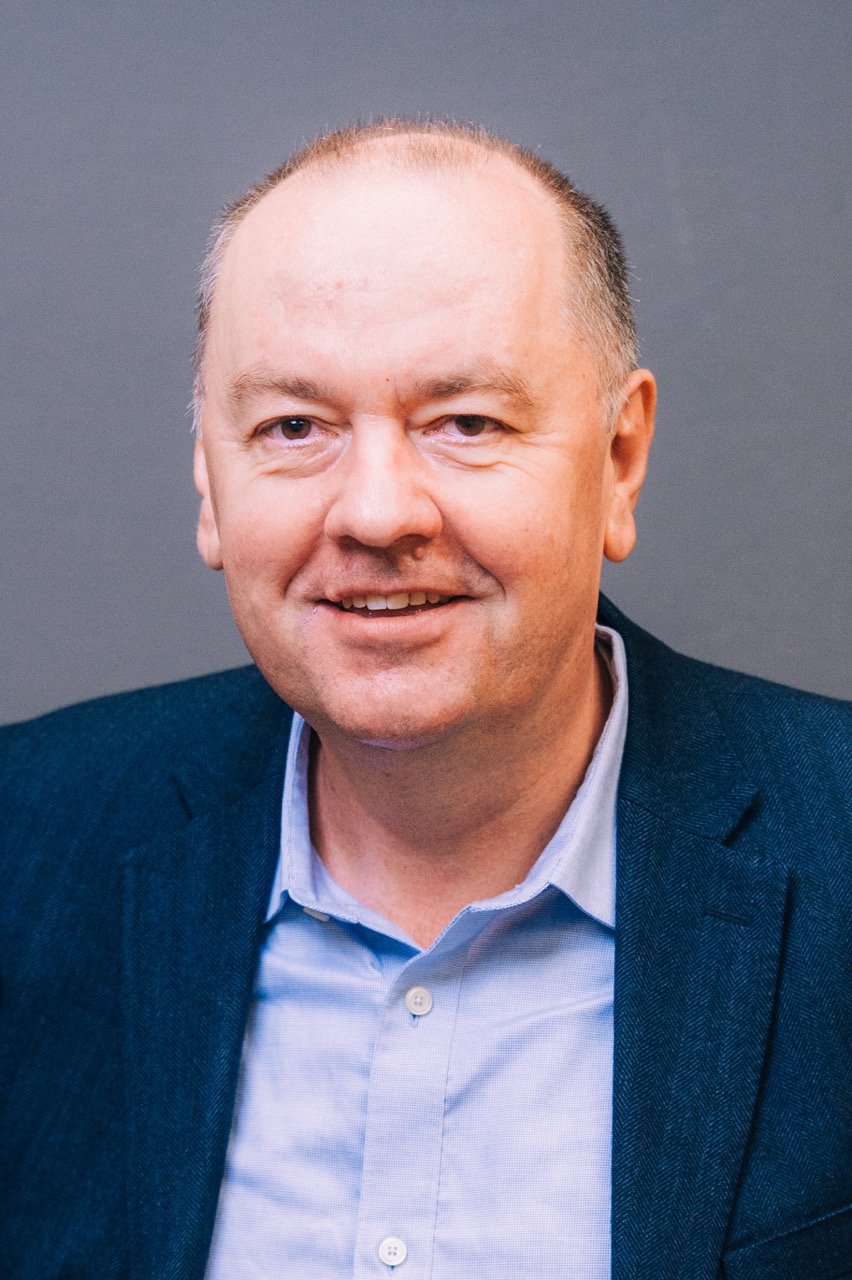 Jan Novak, Ph.D.The partnership grew from Novak’s longstanding mentor-mentee relationship with Kazuo Takahashi, M.D., Ph.D., professor at Fujita Health University. Their collaboration began in 2008, when Takahashi joined Novak’s research group as a postdoctoral fellow after visiting UAB with his mentor, Yoshiyuki Hiki, M.D., Ph.D., a physician-researcher at Fujita Health University, whom Novak had invited to speak about IgA nephropathy.
After Takahashi returned to Fujita Health University, the collaboration continued through research, visits, and meetings at conferences and international symposia.
In 2024, Novak invited Takahashi and his Ph.D. student, Masaya Hirayama, now a postdoctoral fellow in the Novak Lab, to visit UAB. Takahashi presented a lecture in the Department of Microbiology Seminar Series, while Hirayama shared findings from his Ph.D. project with Novak’s group.
“During the visit in 2024, Dr. Takahashi proposed the idea of a closer collaboration between UAB and FHU,” Novak said.
With support from UAB and Heersink School of Medicine leaders, and through collaborative efforts among faculty, the partnership moved forward. The Sept. 21 signing ceremony brought together leaders from UAB and Fujita Health University, including Ray Watts, M.D., president of UAB, Anupam Agarwal, M.D., dean of the UAB Heersink School of Medicine, and Nakao Iwata, M.D., Ph.D., president of Fujita Health University. Agarwal welcomed the Fujita delegation to the UAB Heersink School of Medicine and highlighted the significance of the partnership.
“It is especially gratifying that this partnership grew from the mentor-mentee relationship between Dr. Novak and Dr. Takahashi, and their continuing collaborations,” Agarwal noted.
The agreement builds on conversations and collaborations already underway between UAB and Fujita, particularly in kidney and infectious diseases.
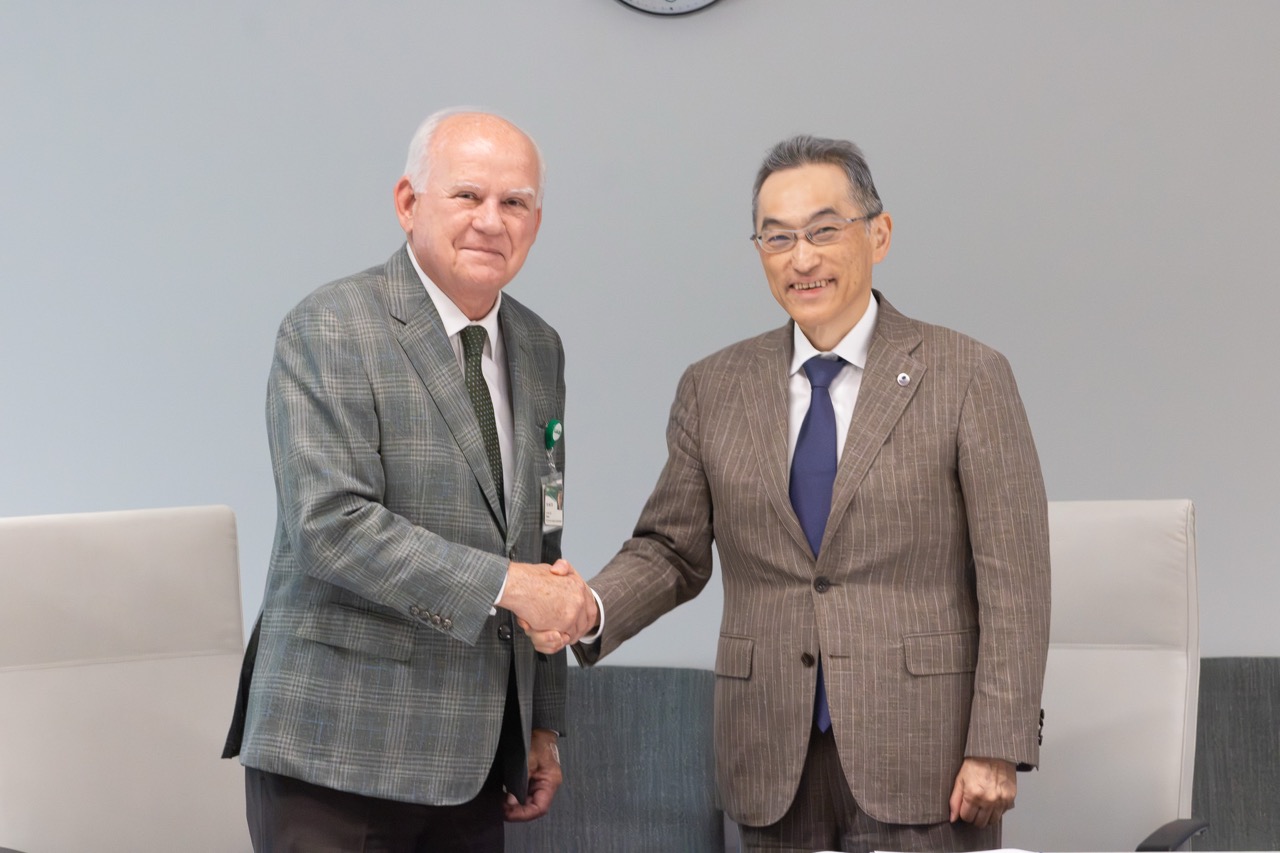 Ray Watts, M.D., left, and Nakao Iwata, M.D., Ph.D., rightUnder the MOU, UAB and Fujita Health University intend to promote and strengthen scientific and academic cooperation through exchanges of professors, researchers, students, and staff. The agreement also provides a framework for the institutions to develop additional written agreements and seek funding to support collaborative activities.
An accompanying exchange agreement outlines opportunities for reciprocal student and staff exchanges. Each institution may exchange up to two undergraduate or graduate/doctoral students for stays of up to three months. The agreement also allows for exchanges of up to two teachers, researchers, or administrative staff members from each institution for stays of up to one month.
The MOU formalizes a relationship that began through Novak and Takahashi’s work and expands it to include broader academic and scientific exchange between UAB and Fujita Health University. The agreement has a five-year term, with provisions for renewal or modification.
Agarwal also spoke about the opportunities created by bringing the two institutions together.
“We are fostering opportunities for joint research initiatives, educational exchanges, and more that neither institution could achieve alone,” Agarwal said.
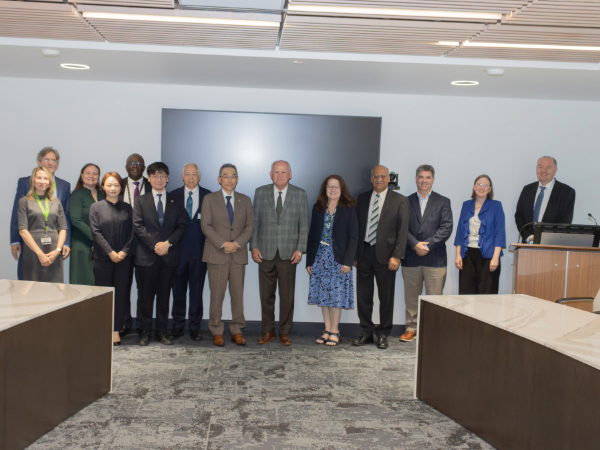 Following the signing ceremony, the UAB IgA Nephropathy Research Group met with Takahashi to discuss current and planned studies related to the pathogenesis of IgA nephropathy.
“As we continue working together, we will create new opportunities for project development and seek joint funding,” Novak said. “We will also work with patient-support groups in the US and in Japan and provide them with up-to-date information about IgA nephropathy pathogenesis and emerging therapies. Furthermore, we will work on translational projects toward developing a cure for IgA nephropathy.”