This is the first in a three-part series outlining the 50-plus-year history of the UAB Department of Neurology.
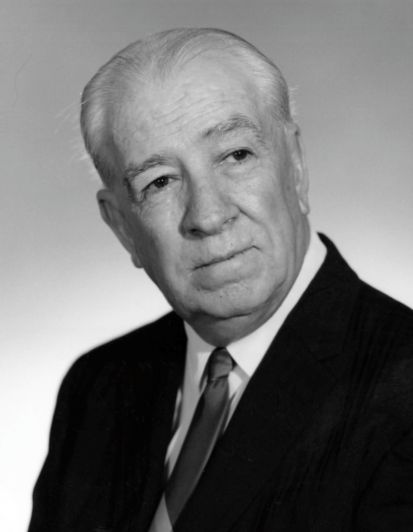 Wilmot Littlejohn, M.D.Long before neurology became an official department at UAB, it existed as something much less defined: a small but steadily growing field shaped by the efforts of a few providers working to meet a need that was becoming prevalent across the region.
Prior to the 1930s, neurological care in Alabama was largely provided by general practitioners and physicians working in psychiatric hospitals. The earliest roots of the field in the state trace back to individuals such as Wilmot Littlejohn, M.D., who was the first trained neurologist in Alabama, circa 1933, and served as the first director of the Division of Neurology from 1945 until 1967.
He was followed by other early neurologists in Birmingham, including Samuel Little, M.D., Jolyn Tucker, M.D., and Harry Fang, M.D. At UAB, physicians like Robert Ford, M.D., and Irwin Lewis, M.D. began building the first clinical presence of neurology on campus.
“These are the folks who started UAB neurology, essentially,” said Khurram Bashir, M.D., MPH, Distinguished Professor, Burton Multiple Sclerosis Endowed Research Professor in the UAB Department of Neurology.
Early neurologists functioned as generalists, caring for patients with stroke, multiple sclerosis, neuromuscular disease, and other conditions without subspecialty support. Each physician carried broad responsibility, stepping in wherever needed.
At that time, there was no department; rather, a handful of physicians were working to meet the neurology needs of the state and beyond.
Neurology without a department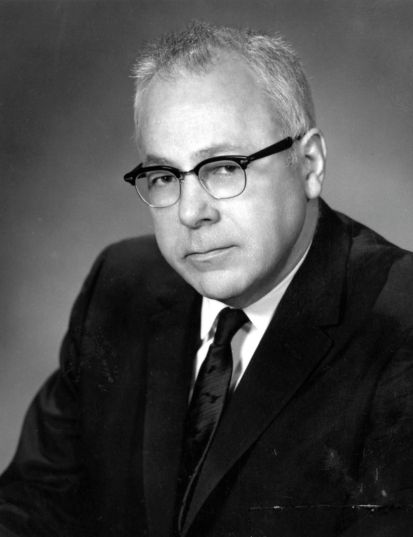 Samuel Little, M.D.
In its earliest years, neurology at UAB was not organized into divisions or programs. It operated within internal medicine, shaped more by necessity than by structure. At the beginning of World War II, the Medical College of Alabama was moved from Tuscaloosa to Birmingham and expanded from a two-year preclinical program to a four-year program.
“In those days, the Medical College of Alabama was the leader of institutions graduating the most doctors specializing in neurology,” wrote James Halsey, M.D., founding chair of the Department of Neurology, in “An Early Partial History of Neurology at UAB and the Alabama Area.”
Prior to the Medical College of Alabama becoming the University of Alabama at Birmingham in 1969, Halsey came to Birmingham in 1965, drawn by the presence of Fang and Little.
“Dr. Halsey did everything because there were three people,” Bashir said.
That recollection is supported by other accounts from the period. Shin Oh, M.D., Distinguished Professor Emeritus in the Department of Neurology and one of its earliest faculty members, later noted that he was “the third full-time faculty,” joining Halsey and Little in those formative years.
“And then I was the sixth neurologist in the state of Alabama,” Oh said. “So, it’s brand new territory at that time.”
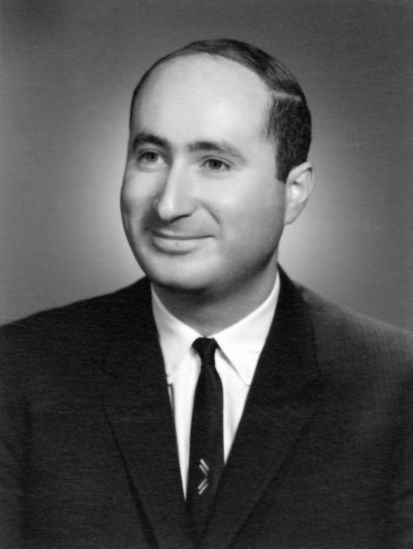 Irwin Lewis, M.D.Practicing neurology in its early days
Even within that small group, the first hints of specialization were beginning to emerge. Little, for example, was at that time running the EEG laboratory and was among the founders of the Southern EEG Society, establishing one of the earliest focused areas of neurological care at UAB. Meanwhile, Oh was making strides in neuromuscular disease, while still attending to all areas of field.
“We had to start from the beginning,” Oh said. “We didn’t have a muscular biopsy lab. We didn’t have any specialties.”
Halsey recalled that some of the most common neurological diagnoses seen in earlier decades included neurosyphilis and severe epilepsy, conditions for which treatment options were often limited.
The state's early neurologists worked in an environment that depended heavily on clinical observation and diagnostic skill. Technologies now considered routine were decades away, and specialists frequently carried broad responsibilities.
“We were practicing general neurology,” Oh said. “So, I had to take care of Parkinson’s disease, stroke, and so on.”
Teaching before structure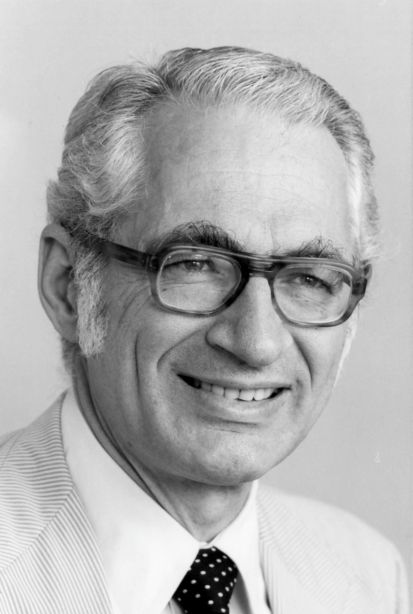 James Halsey, M.D.
Even before it was formally organized, the Department of Neurology played an important role in the education of medical students. For many, it was exposure to teaching faculty that sparked their interest in the field.
Recounting his own experience as a medical student, Paul Atchison, M.D., clinical associate professor in the Department of Neurology, who started medical school at UAB in 1986, remembered rotating through neurology and learning from faculty like Oh and Halsey, who were deeply engaged in teaching.
“Those are the ones that stand out to me who were teaching in the medical school at that time,” Atchison said, also placing later Department of Neurology faculty members like Lindy Harrell, M.D., and Edward Faught, M.D., in that category.
Those interactions often shaped career trajectories. Even without a formal department or structured training pathway, students were drawn to neurology through hands-on learning and mentorship.
Training itself, however, was still evolving. Neurology had not yet fully separated from internal medicine, and early residency structures were limited. In fact, early efforts toward residency training began to take shape in the late 1970s, marking the beginning of a more structured educational pathway.
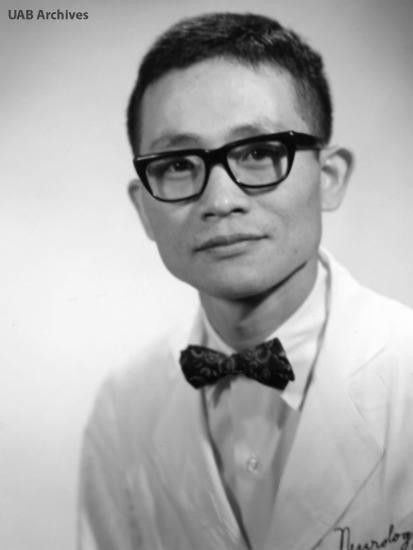 Shin Oh, M.D.The first signs of growth
As demand for neurological care increased, the earliest signs of organization began to appear.
In 1964, Ford and Lewis joined UAB. According to Halsey, Lewis became the first in-house chief of neurology at the Birmingham VA Hospital and helped initiate one of the institution's earliest clinical trials involving levodopa therapy for Parkinson's disease.
Among the earliest faculty, core areas of neurological care were beginning to take shape, with stroke, epilepsy, neuromuscular disease, and memory disorders emerging as foundational areas of focus.
Despite these developments, the department remained small well into its early years.
“When I came, there were maybe 10 or 12 faculty,” said Burt Nabors, M.D., Distinguished Professor in the Department of Neurology, of the mid-1990s environment, reflecting on the lingering structure that had its roots in the earlier era.
That small size shaped everything, from how care was delivered to how relationships developed. Providers worked closely together, often sharing clinical responsibilities and collaborating across all aspects of patient care.
“We were close,” Atchison said. “There weren’t that many of us.”
As patient volume increased and medical education expanded, subspecialty interests were beginning to become more prevalent, and neurology itself was evolving nationally into a more defined field. What had once been manageable as a service within another department had grown into something with its own identity.
Becoming a department
The Department of Neurology was formally established circa 1976, marking a turning point based on the groundwork laid by the pioneers of the field in Alabama.
"Sometime around 1968, Dr. Little asked me to relieve him of the duties of Director of the Division of Neurology,” Halsey wrote, adding that by the mid-1970s, the division became a formal department.
What began as an informal effort to meet the state's growing neurological needs had grown into a discipline that required its own structure and leadership.
As Halsey laid the groundwork as the department’s first chair, he set the stage for the leaders to come, including John Whitaker, M.D., in 1985.
“Dr. John Whitaker, Chairman at the University of Tennessee/Memphis was recruited and took over the position in 1985, initiating a period of growth,” Halsey wrote.
“The rest is contemporary history.”
Stay tuned for part 2 of this three-part series outlining the 50-plus-year history of the UAB Department of Neurology.