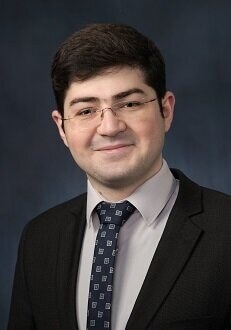
 Muayad Alzuabi, M.D.Muayad Alzuabi, M.D., joined the UAB Department of Neurology in September 2025. He completed his medical education at Ain Shams University Faculty of Medicine in Egypt, entering after high school and graduating in August 2017. After medical school, he spent two years doing postgraduate research at the Mayo Clinic in Rochester Minnesota, where he focused on systematic reviews and evidence synthesis.
He went on to complete his neurology residency at the Medical University of South Carolina followed by a clinical fellowship in epilepsy and clinical neurophysiology at the University of California, Los Angeles. This experience ultimately helped shape his clinical focus and the way he approaches complex neurologic care.
Learn more about Dr. Alzuabi and what he looks forward to at UAB.
What inspired you to pursue a career in this field?
Alzuabi: I’ve always been fascinated by the brain and how it shapes every part of who we are. During training, I saw how distressing neurologic disease can be—not just for patients, but for families as well—and I wanted to be in a field where thoughtful care can meaningfully change someone’s daily life. Around the time I finished medical school, neurology was also moving quickly, with major advances in both diagnostics and treatment. The combination of high impact and rapid progress made neurology feel like the right path for me.
What aspects of your new role here are you most excited about?
Alzuabi: There are several things I’m excited about. On the patient-care side, I know many patients wait a long time to be seen, and it’s genuinely motivating to know that my being here can help shorten that timeline and improve access. Additionally, I really enjoy teaching and working with students, residents, and fellows.
What is your primary area of expertise, and what sparked your passion for it?
Alzuabi: My main clinical focus is seizures and epilepsy, including evaluation and treatment of patients whose seizures don’t respond to medications. I’ve had specialized training in surgical and device-based approaches for medication-resistant epilepsy. What drives me is how much epilepsy can affect every part of a person’s life—personal, social, professional, and financial. The good news is that we now have several effective interventions, and it’s very meaningful to help patients move toward better control and a better quality of life.
What are your goals for making an impact through both your teaching and patient care in this role?
Alzuabi: In patient care, my goal is to provide consistent, evidence-based, high-quality care while improving access, especially for epilepsy patients who often face long waits and complex care needs. In teaching, I want to be help trainees strengthen clinical reasoning and day-to-day decision-making and support them in becoming confident and independent clinicians. Over time, I’d also like to contribute to initiatives that improve outcomes and create clear, consistent best-practice approaches across the program.