 Winter weather can transform sidewalks, parking decks and entryways into unexpected, and sometimes invisible, hazards. As temperatures plummet, slips and falls become increasingly common, and even a minor tumble can result in a severe injury. Preparation and awareness can go a long way in reducing the risk of injury in slick, icy conditions.
The dangers of winter weather
Even small amounts of snow, sleet or rain can prove to be dangerous. An estimated 97% of all weather-related injuries are a result of slips or trips on ice and snow, according to a study published in the Journal of Safety Research.
When dealing with winter weather conditions and sub-freezing temperatures, being able to recognize risks, like ice, can help you stay alert and avoid a fall.
Not all ice looks the same, and some types are more dangerous than others.
- Black ice: Thin, nearly invisible ice often found on roads, bridges and parking decks
- Refrozen ice: Ice that melts during the day and refreezes overnight, creating slick patches
- Snow-covered ice: Ice hidden beneath snow that appears safe but offers little traction
- Shaded ice: Ice that lingers in shaded areas, like parking garages, ramps or entryways, long after temperatures rise above freezing
If you do fall on ice, resist the urge to get up immediately. Pause, take a breath and assess how you feel. Ask yourself, “Does anything hurt? Did I hit my head?” While mild soreness may improve with rest, some symptoms may require medical attention.
Seek medical care if you experience:
- Severe or worsening back pain
- Numbness, tingling or weakness in the arms or legs
- Difficulty standing or walking
- Dizziness or loss of balance
- Nausea or vomiting
- Headache or loss of consciousness
When you're headed outside in the cold, there are a few things you can do to reduce your fall risk.
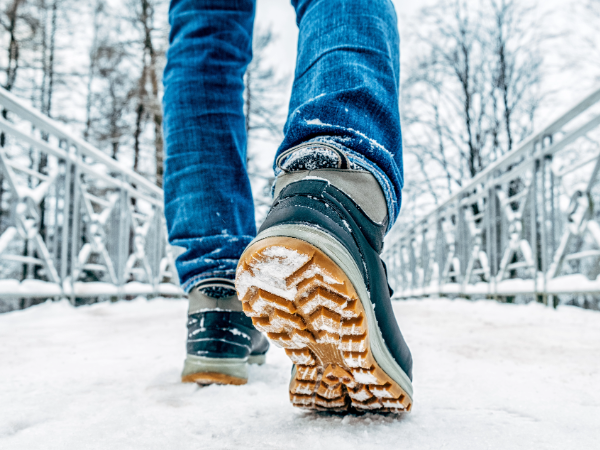
- Wear shoes with good traction
- Slow your pace and take shorter steps to improve stability on slick surfaces
- Keep your hands free for balance
- Use handrails when available
- Stay alert and aware
Winter weather may be unpredictable, but by choosing the proper footwear, slowing down and staying alert to hazardous conditions, you can lower your risk of injury all season long.