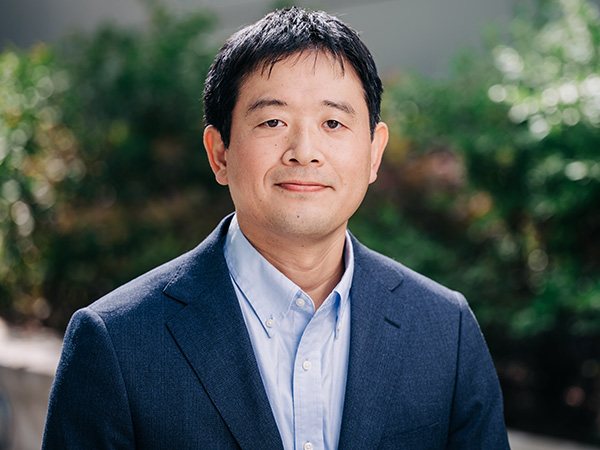
 Satoru Osuka, M.D., Ph.D., assistant professor in the University of Alabama at Birmingham Department of Neurosurgery, has been awarded a $50,000 grant from the Uncle Kory Foundation to support his mission to advance treatment options for patients with recurrent glioblastoma.
This one-year grant renewal extends funding for Osuka’s project, titled “Targeting Recurrent Glioblastoma Cells Using Collagen-Binding IL-12 and IL-7,” which explores how targeted immune-boosting proteins can overcome the challenges of treating this aggressive brain cancer.
Osuka and his research team received initial support from the foundation in February 2025.
Osuka’s team has developed two specialized immune-boosting proteins, CBD-IL-12 and CBD-IL-7, designed to accumulate within tumors while avoiding healthy brain tissue. This targeted approach has the potential to reduce side effects while strengthening the body’s immune response against cancer cells.
Glioblastoma tumors are notoriously difficult to treat because of their unique environment, particularly after recurrence. Osuka’s CBD-IL-12 and CBD-IL-7 proteins aim to prevent immune cells from becoming “exhausted” in their response to the tumor, stimulating a more sustained and effective immune attack.
Glioblastoma remains one of the most challenging brain cancers to treat, with a median survival of only 12 to 15 months after diagnosis, despite standard-of-care treatments, like surgical tumor resection, chemotherapy and radiation.
This research could pave the way for more effective, personalized treatment options for glioblastoma patients.
The Uncle Kory Foundation advances innovative, collaborative research to improve treatment and survival rates for individuals diagnosed with brain cancer, particularly glioblastoma. Its continued partnership with UAB reflects a shared commitment to translating scientific discovery into meaningful clinical progress.
With this additional funding, Osuka and his team will continue exploring how targeted immune-based therapies can enhance the body’s ability to recognize and fight tumor cells, bringing new hope to patients and families affected by this devastating disease.