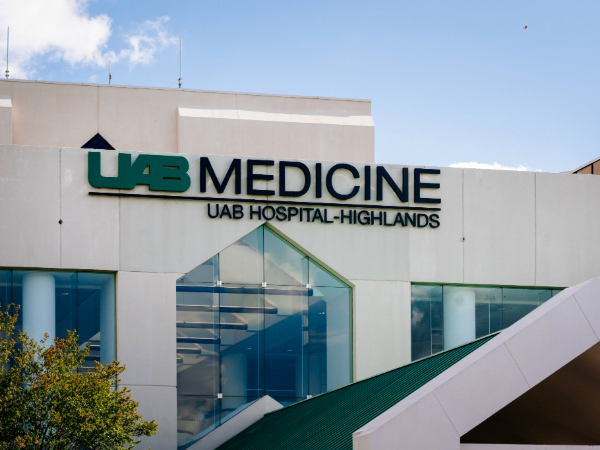
 The UAB Department of Orthopaedic Surgery and the Division of Endocrinology, Diabetes and Metabolism have partnered to launch a new Fracture and Fragility Clinic, designed to provide patients with better access to specialized bone‑health care, particularly those at risk for osteoporosis‑related injuries. The clinic addresses a longstanding gap in care for patients who experience a fracture but do not receive timely evaluation for underlying osteoporosis or osteopenia.
Solving a critical gap
Nationwide, patients who sustain fractures often receive acute care but may not be evaluated for underlying bone‑health issues that often contribute to the injury. UAB clinicians recognized the same pattern: many patients were treated for their fractures but had not yet undergone bone‑density assessment or an osteoporosis screening.
To streamline this transition, Amy Warriner, M.D., professor, and Iram Moldina, M.D., assistant professor, both in the Division of Endocrinology, Diabetes and Metabolism, and Clay Spitler, M.D, associate professor of the Department of Orthopaedic Surgery, helped shape a clinic model that moves patients directly from fracture treatment into coordinated bone‑health evaluation, diagnosis, and management.
“Fragility fractures are often the first sign of undiagnosed osteoporosis,” said Katelyn (Katie) Mullins, MSN, AGACNP‑BC, advanced practice provider in the Department of Orthopaedic Surgery. “If we diagnose and treat patients quickly, we can dramatically reduce their risk of a second fracture—and the long‑term health decline that often follows.”
Meeting a growing public‑health need
Fragility fractures are a leading cause of disability in older adults, often resulting in reduced mobility, chronic pain, and loss of independence. With osteoporosis care remaining a niche specialty and associated with long wait times in the region, including one comparable clinic with a one‑year waitlist, the new UAB Fracture and Fragility Clinic fills an urgent gap. Many patients can be seen within 30 days, and some even as soon as the next day.
Patients receive guidance on medication options, nutrition, exercise, fall‑risk reduction, and long‑term bone‑health strategies. Referrals may come from orthopaedics, primary care, gynecology, or other outside clinicians. A DEXA scan is helpful but not required before scheduling.
Team‑based approach to bone health
The clinic offers comprehensive evaluation, diagnosis, and treatment for osteoporosis and osteopenia. Orthopaedic providers identify patients following fractures, while endocrinology specialists oversee metabolic bone health, medication therapy, and long‑term monitoring. This coordinated structure ensures patients receive both the surgical and medical support necessary to rebuild and protect bone strength.
The key priority is identifying patients with unrecognized osteoporosis, especially those presenting with their first fragility fracture. Early treatment is essential, as hip and spine fractures carry high mortality rates and significantly increase the risk of additional injuries.
The clinic is led by two advanced practice providers in the Department of Orthopaedic Surgery:
- Megan Allmendinger, MSN, CRNP, who brings more than 16 years of nursing experience, including a decade in orthopaedic care at UAB. She previously helped build the UAB Osteoporosis Clinic, advancing early fracture identification and improving access to diagnostics and evidence‑based therapies.
- Katelyn (Katie) Mullins, MSN, AGACNP‑BC, who brings experience from emergency medicine, trauma, and transplant care, strengthening her ability to evaluate acute injuries and manage complex fracture presentations. She now focuses her practice on osteoporosis, osteopenia, fragility fractures, and non‑unions.
Their combined expertise, supported by a nurse coordinator and clinical medical assistant, creates a patient‑centered model for fracture recovery, prevention, and long‑term bone‑health support.