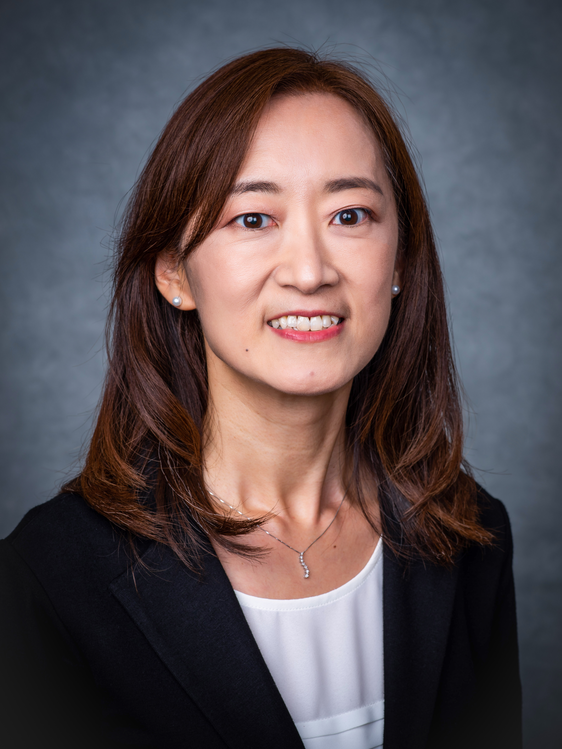
 Zhu-Tokita-Takenouchi-Kim, or ZTTK Syndrome, is a rare disease primarily identified in children and is characterized by intellectual disability, delayed musculoskeletal development, and multi-organ anomalies. The disease was discovered in 2016 by Erin Eun Young Ahn, Ph.D., a professor in the Department of Pathology Division of Molecular and Cellular Pathology, alongside her research team. Since then, Ahn has dedicated much of her career to researching the disease.
ZTTK Syndrome is caused by the loss of function in the SON gene. This gene creates a DNA and RNA binding protein, SON, that is required for the body to grow and develop naturally. Ahn has studied SON since the early 2000s. After the discovery of ZTTK, she co-founded the ZTTK SON-Shine Foundation in 2021 to provide a community of support among newly diagnosed patients and their families.
It is through a Project Master Agreement between the University of Alabama at Birmingham and the ZTTK SON-Shine Foundation that Ahn has recently received $100,000 funding to continue her research on ZTTK.
"The new funding will support a postdoctoral fellow in our laboratory and provide resources needed to conduct studies aimed at defining the molecular mechanisms underlying brain developmental and metabolic abnormalities in ZTTK Syndrome," Ahn said.
Ahn's team of researchers will use patient-derived iPSC and mouse models to investigate how SON haploinsufficiency alters neural development and systemic metabolism, while also evaluating promising drug repurposing candidates.
"By integrating findings from experimental models with molecular and metabolic data from individuals with ZTTK Syndrome, our research seeks to better define disease mechanisms and generate preclinical evidence to guide future therapeutic development," Ahn said.
The ZTTK SON-Shine Foundation recently held its second annual Community Conference in Boston, Massachusetts, July 17-19. The conference brought researchers, clinicians, patients with ZTTK Syndrome, and their families together from around the world. Ahn presented her laboratory's recent research findings to the scientific community and then shared their discoveries in accessible language to help families better understand ongoing research efforts and emerging therapeutic approaches.
"I was able to spend time with individuals with ZTTK Syndrome and their families," Ahn said. "It is a privilege to listen to their experiences, build meaningful connections, and gain valuable insight into patient needs. These interactions, combined with new funding to provide essential resources, inform the future direction of our research and strengthen the connection between the lab and the needs of the ZTTK community."