 Glioblastoma is a deadly brain cancer that is difficult to treat because tumor cells spread into the healthy brain, where they cannot be completely removed by surgery.
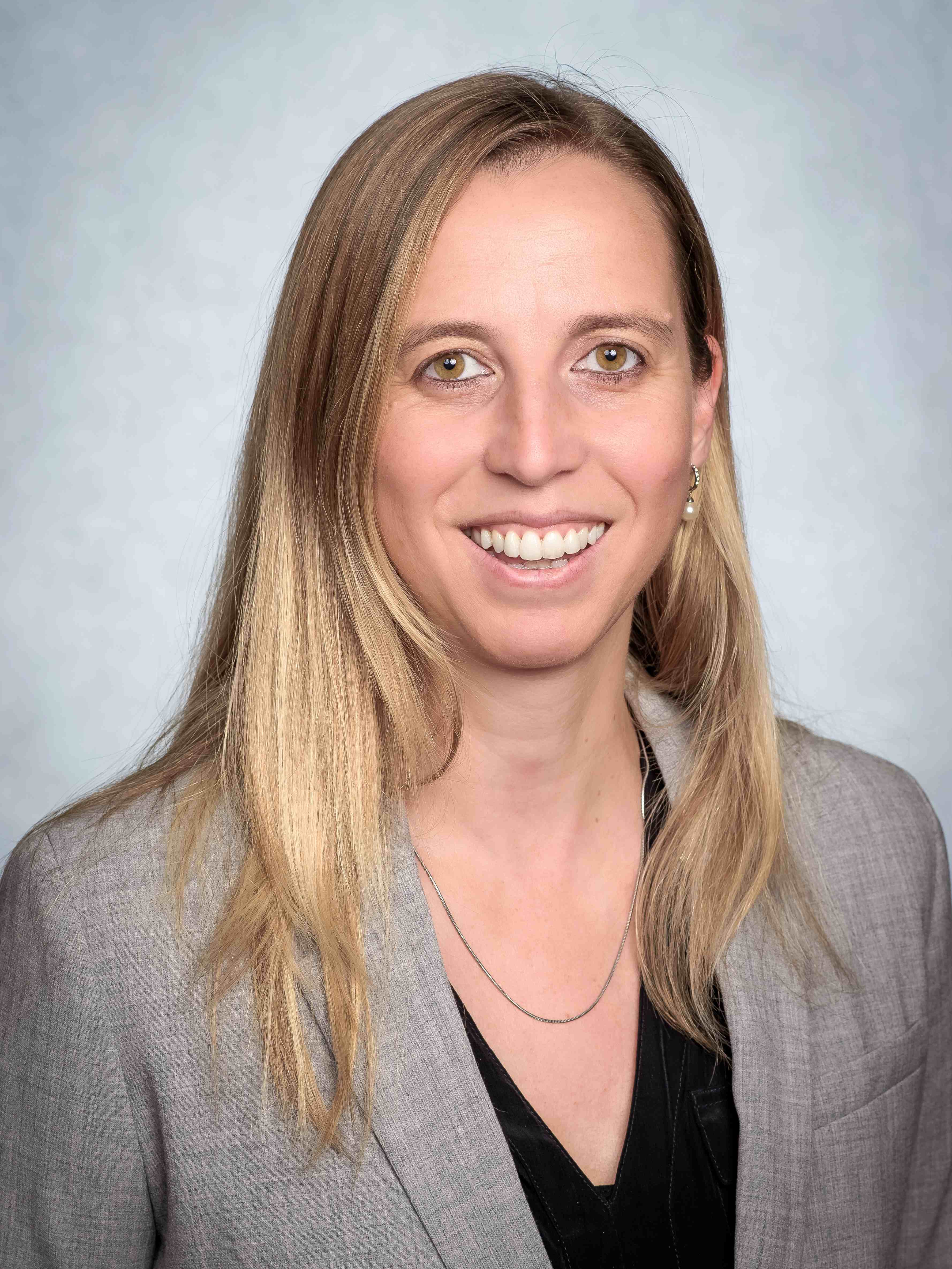
“Our research is uncovering how glioblastoma may use the brain’s own cells to accelerate tumor spreading,” said Andrea Comba, Ph.D., an assistant professor in the Division of Neuropathology.
Comba recently received a Discovery Grant from the American Brain Tumor Association. This one-year, $50,000 funding will support her research on glioblastoma.
Comba’s research team found that tumor cells produce high levels of collagen type I, a protein that changes the environment surrounding the tumor. The researchers plan to investigate how this collagen activates integrin β1, a receptor on nearby astrocytes, or brain cells that normally protect and support neurons. Comba believes this signal can change astrocytes into a state that creates conditions that help tumor cells invade the brain.
“By disrupting this collagen-integrin β1 communication between tumor cells and astrocytes, we hope to identify new ways to slow tumor spread and ultimately target the invasive cells that remain after surgery and contribute to tumor reoccurrence.”
The value of this grant, Comba explained, is not only the funding itself, but also access to the American Brain Tumor Association Alumni Research Network.
“The alumni network is comprised of brain tumor researchers that have been funded by the American Brain Tumor Association,” Comba said. “I’m so thrilled to be joining this supportive community and look forward to collaborating for years to come.”
The Alumni Research Network supports the organization’s mission to advance the understanding and treatment of brain tumors by fostering excellence in brain tumor research through professional development, communications, education, training, and collaboration.
Discovery Grants are for high risk, high impact research with the potential to change current diagnostic or treatment models. Grants are intended to provide seed-funding for early-stage faculty researchers to develop their new ideas and to get the preliminary data needed to apply for larger grants.