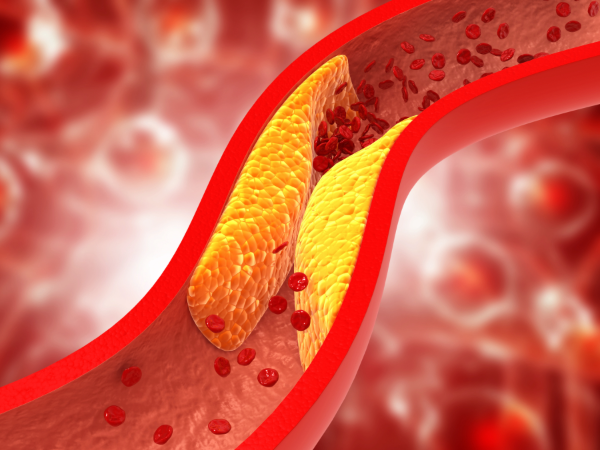
 AtherosclerosisVascular calcification is a major contributor to cardiovascular mortality in diabetes and is driven in part by osteogenic reprogramming of vascular smooth muscle cells. Diabetes is also associated with vascular rhythm disruption, but how circadian regulators contribute to vascular calcification is poorly understood.
A new study addressing this mechanism, titled, "Bmal1 Regulates Vascular Calcification via Noncanonical Circadian Pathway- Brief Report", led by Ming He, M.D., Ph.D., an assistant professor in the UAB Department of Pathology Division of Molecular and Cellular Pathology, has been selected as one of only two Featured Articles in the April 2026 issue of Arteriosclerosis, Thrombosis, and Vascular Biology, a journal of the American Heart Association.
The study identified an unexpected role for Bmal1, a core circadian protein, in diabetes-related vascular calcification. Using diabetic mouse models, human arterial tissue, and vascular smooth muscle cells, the researchers found that Bmal1 is selectively upregulated in diabetic arteries and directly activates RUNX2, a master regulator of osteogenic reprogramming. This drives vascular smooth muscle cells toward a bone-like state, promoting arterial calcification and stiffness. Ming He, M.D., Ph.D.
An accompanying Arteriosclerosis, Thrombosis, and Vascular Biology Journal editorial piece, titled, "When the Clock Breaks Character: Bmal1 as a Driver of Vascular Calcification", highlighted the conceptual importance of the study, noting that the findings reframe Bmal1 from a traditional circadian clock regulator to an active driver of diabetic vascular calcification. The editorial emphasized the potential of this work to open new therapeutic avenues for diabetic vascular disease.
"Our study reveals a novel mechanism linking diabetes, circadian signaling, and vascular disease," He said. "This work identifies Bmal1 as a promising target for future discovery."
Yabing Chen, Ph.D., MBA, FAHA, Vice Chair for Research and professor at Oregon Health and Science University and former vice chair in the UAB Department of Pathology, is Co-Principal Investigator with He in this study. The research was supported by a multi-PI NHLBI grant alongside additional collaborative support and departmental funding.