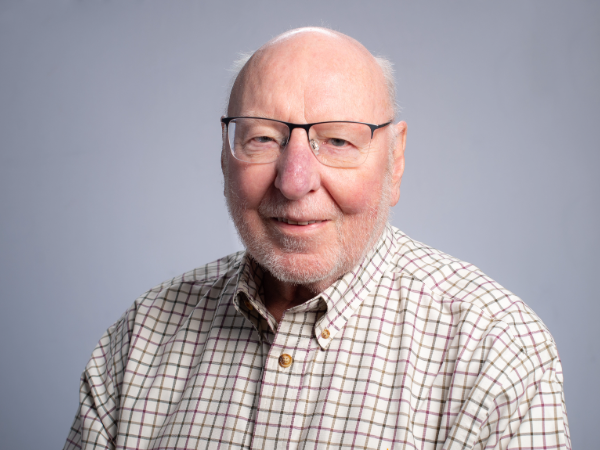
 For more than five decades, Richard Whitley, M.D., distinguished professor in the Division of Pediatric Infectious Diseases, has helped shape not only the University of Alabama at Birmingham Department of Pediatrics, but the field of pediatric infectious diseases on a global scale.
From pioneering antiviral research to decades of mentorship and clinical leadership, Whitley’s career reflects a rare combination of scientific excellence, institutional loyalty and deep compassion for patients and families.
Five decades of discovery shaping pediatric infectious diseases at UAB and beyond
Over the course of his career, Whitley became one of the most widely recognized figures in the department and one of the most influential physician scientists at UAB. His work helped redefine how viral infections are treated and how rare diseases are studied, establishing research frameworks that continue to guide clinical practice around the world.
“Not only my view, but probably virtually everyone’s view is that his contributions are truly immeasurable,” said David Kimberlin, M.D., distinguished professor in the Division of Pediatric Infectious Diseases. “Over the course of decades, Rich has been the most famous person in the department and for many of those years, one of the most famous people at UAB.”
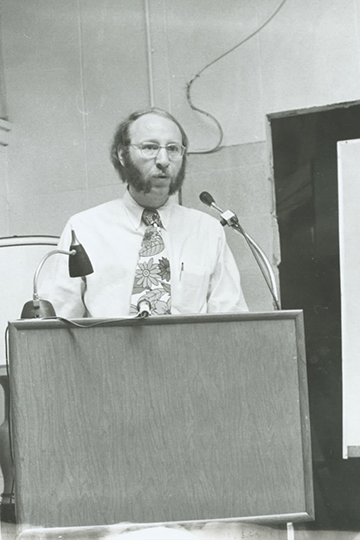 In the early days of antiviral research, many believed viruses could not be treated safely without harming the patient. Whitley challenged that thinking, helping demonstrate that targeted antiviral therapies were not only possible, but life-saving.
“Rich helped develop the structure for how rare disease clinical trials are done,” said Kimberlin. “He didn’t just see what was coming next. He saw four hills ahead.”
That vision led to a rapidly expanding research program that placed UAB on the national map for pediatric infectious disease discovery.
Sergio B. Stagno, M.D., former chair of the Department of Pediatrics, worked closely with Whitley in the early years of his career and recalls how quickly that momentum built.
“Rich became the engine for antiviral therapy,” said Stagno. “New compounds were emerging, grants were coming in and suddenly Birmingham was making national news for herpes virus research.”
As Whitley’s reputation grew, so did his global presence. He became a sought-after lecturer, collaborator and advisor, traveling extensively to scientific meetings and research centers around the world.
“There is no other faculty member I know who has flown as much during his career,” said Stagno. “He became a great lecturer and participated in scientific meetings all over the world.”
Throughout his career, Whitley received some of the highest honors in medicine. He was awarded the American Academy of Pediatrics Excellence in Pediatrics Research Award for his contributions to antiviral therapeutics and in 2018, received the Alexander Fleming Award for Lifetime Achievement from the Infectious Diseases Society of America. He was also consistently recognized among Best Doctors in America, reflecting both his scientific impact and clinical excellence.
Despite receiving multiple offers from major academic centers, Whitley chose to remain at UAB, a decision colleagues say played a pivotal role in the department’s long-term success.
In addition to his research, Whitley held several leadership roles throughout his career, including vice chair for research, division chief for infectious diseases and interim chair of the department. Though he was offered the permanent chair position, Whitley ultimately chose to focus on what he felt he did best, building research programs and mentoring others.
A career defined by mentorship, compassion and lasting impact on generations of physicians
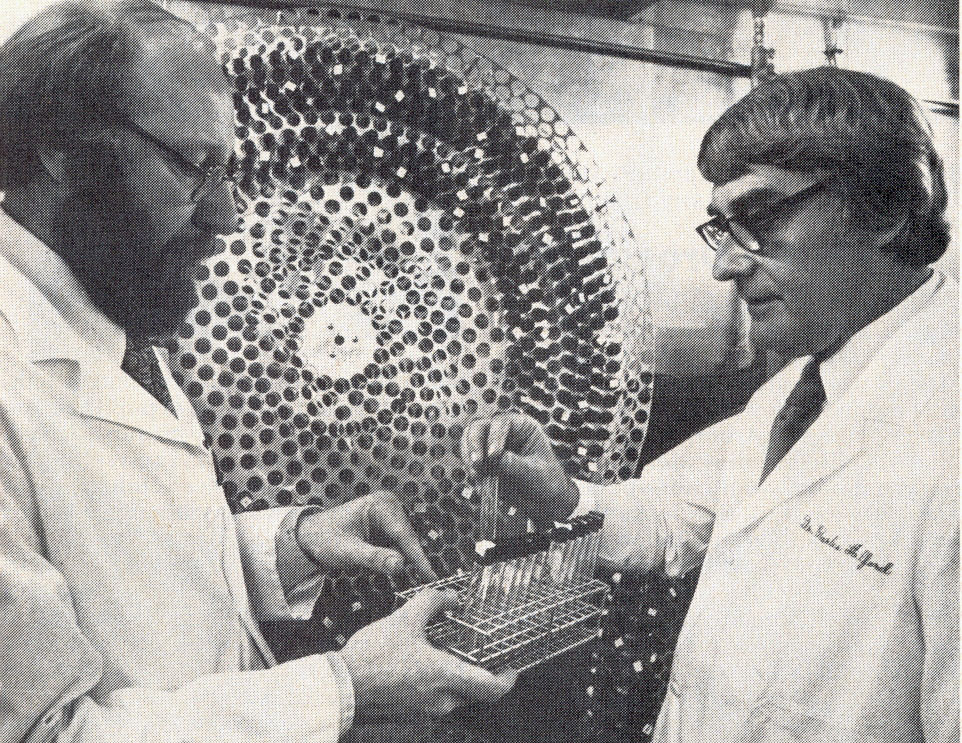 While Whitley is internationally recognized for his scientific achievements, many colleagues say his greatest legacy lies in his role as a teacher and clinician.
Yung Lau, M.D., professor and chair of the Department of Pediatrics, reflects on Whitley as the embodiment of the academic physician.
“He modeled through his years by example what a true academic physician looks like,” said Lau. “For decades, he trained residents to think critically, practice evidence-based medicine and truly care for their patients.”
For Lau and many others, Whitley’s influence extended far beyond the classroom or the lab.
“He didn’t just teach medicine,” said Lau. “He taught people how to be good doctors.”
Whitley’s mentorship also played a defining role in shaping the department’s research culture.
William Britt, M.D., professor in the Division of Pediatric Infectious Diseases, said Whitley consistently created opportunities for others to grow.
“He furthered the growth of infectious disease research in ways that are still shaping the department today,” said Britt. “He helped people see the importance of building strong research networks.”
Britt said Whitley’s leadership style was rooted in encouragement and long-term investment in people.
“He provided opportunities for people to grow,” said Britt. “That kind of leadership leaves a lasting impact.”
While Whitley’s research and mentorship are widely celebrated, colleagues say his humanity as a physician is equally defining. He was known for returning to patient rooms alone after rounds, sitting with families, answering questions and listening.
Whitley often reflected that these moments with families were among the most meaningful of his career. He frequently emphasized learning from patients, valuing human connection and maintaining compassion even in high-pressure clinical environments.
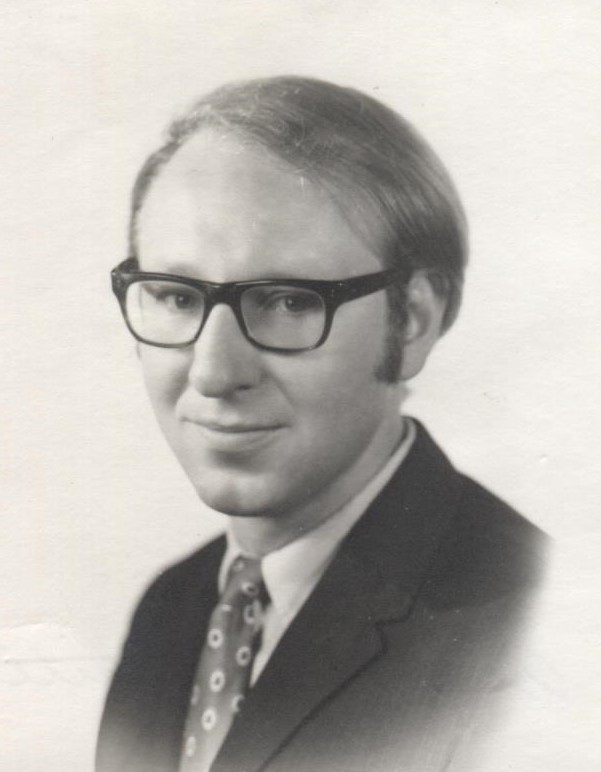 Beyond UAB, Whitley’s influence extended to the highest levels of national and global health. During the COVID-19 pandemic, he was recruited by Anthony Fauci, M.D., director of the National Institute of Allergy and Infectious Diseases at the time, to chair the U.S. Data Safety Monitoring Board for vaccine trials, helping oversee studies that informed federal approval and public health policy. He later described that experience as one of the most rewarding chapters of his career, citing the collaboration of international scientists committed to advancing safe and effective vaccines during a global crisis.
As he reflects on his career, Whitley consistently points not to awards or publications, but to the people he worked alongside. He has often emphasized that progress in medicine begins with strong teams, shared curiosity and a culture where collaboration is valued over competition.
That philosophy continues to shape the culture of the UAB Department of Pediatrics today; a culture Whitley describes in one word: collegiality.
As he steps into retirement, Whitley is still deciding what comes next, with photography, travel and time with family all possibilities. But his legacy is already firmly established.
Kimberlin believes Whitley’s influence will remain embedded in the department for generations.
“There is not a UAB Department of Pediatrics without Rich Whitley,” said Kimberlin. “Not just because of what he built, but because of the people he shaped.”
Ultimately, this is what defines Whitley’s career, not only advancing science, but building a community of physicians who carry forward his values of curiosity, compassion and commitment to improving the lives of children.