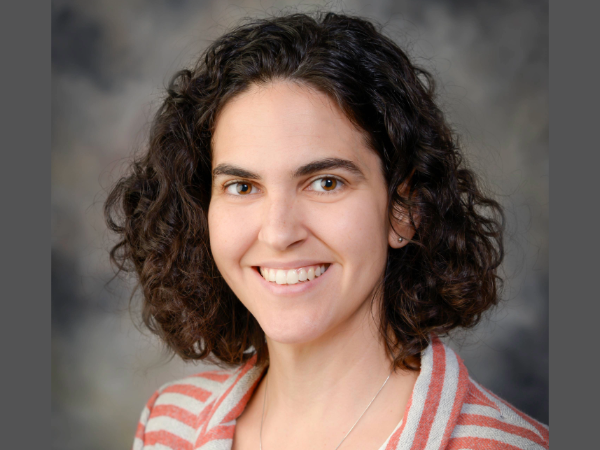
 Cancer treatment, while lifesaving, often comes with a wide range of physical, emotional and social challenges for young patients. Pediatric cancer survivors may face long-term effects from their treatments, impacting everything from mobility and strength to cognitive function and emotional well-being. To address these challenges, Kelli Chaviano, D.O., assistant professor in the Division of Pediatric Rehabilitation Medicine, developed the Integrative Cancer Rehabilitation service line (I CAN Rehab) to provide comprehensive rehabilitation support throughout the cancer care continuum.
“The need for specialized pediatric cancer rehabilitation was a driving force behind the creation of the I CAN Rehab service line,” explained Chaviano. “The initiative ensures that children do not only survive cancer treatment but also thrive afterward, with the ability to regain and improve physical, cognitive, and emotional abilities.”
The program facilitates improved collaboration between rehabilitative care and oncology teams, allowing for more individualized and holistic treatment plans. “By addressing the specific needs of pediatric cancer patients, I CAN Rehab ensures that treatment is not just about survival but also about improving the functional capabilities and quality of life of these young patients,” said Chaviano.
It provides a multifaceted approach, including rehabilitative therapies, orthotics/prosthetics, and therapy care, all aimed at enhancing both physical and psychological recovery. The service is structured to offer care at different levels, from acute consultations to outpatient follow-ups, ensuring that patients have continuous access to vital rehabilitation support.
Institutions such as the Commission on Cancer, the National Comprehensive Cancer Network, the American Cancer Society, the American Society of Clinical Oncology, and the National Academy of Medicine have recognized the importance of rehabilitation throughout the cancer care continuum—before, during, and after treatment.
The creation and growth of I CAN Rehab was made possible through the dedication and support of department and division leadership recognizing the importance of cancer rehabilitation and aligning it with the organization’s mission of providing comprehensive and compassionate care. Additionally, the collective efforts of pediatric rehabilitation medicine, oncology, and therapy colleagues have been central in reinforcing the collaborative nature of the service line.
The supportive environment at the University of Alabama at Birmingham (UAB) Department of Pediatrics and Children's of Alabama has allowed the program to grow through key developments such as educational initiatives, the creation of treatment protocols, and increased research in cancer rehabilitation.
A notable program expansion is the I CAN LEAP initiative (Integrative Cancer Rehabilitation: Launching Early Acute-rehab Pathway). This two-week, individually tailored program is designed for children with cancer who need intensive rehabilitation early in their treatment process. By providing acute therapy, I CAN LEAP ensures functional improvements through personalized therapy intensity and promotes active collaboration among pediatric rehabilitation medicine specialists, oncologists, and therapy teams.
The I CAN Rehab service line represents a crucial advancement in pediatric cancer care, ensuring that children not only survive but thrive throughout and after their cancer treatments. By integrating rehabilitation into the cancer care continuum and fostering collaboration among multidisciplinary teams, I CAN Rehab helps children regain physical, emotional, and social well-being. As the service line continues to evolve, it holds great potential to improve the lives of countless young patients while pushing the boundaries of cancer rehabilitation research and practice.
Through its expansion, the program is not only transforming the care model at Children's of Alabama but is also gaining recognition at a national and international level for its innovative approach to pediatric cancer care.