For families of children with disabilities, accessing health care often means navigating complex systems while managing significant caregiving demands. As more children with complex medical needs require coordinated, long-term care, reducing barriers and wait times has become increasingly important. At the University of Alabama at Birmingham (UAB) Department of Pediatrics, two pediatric faculty members are working to address these challenges by combining clinical care with advocacy, education and system-level change.
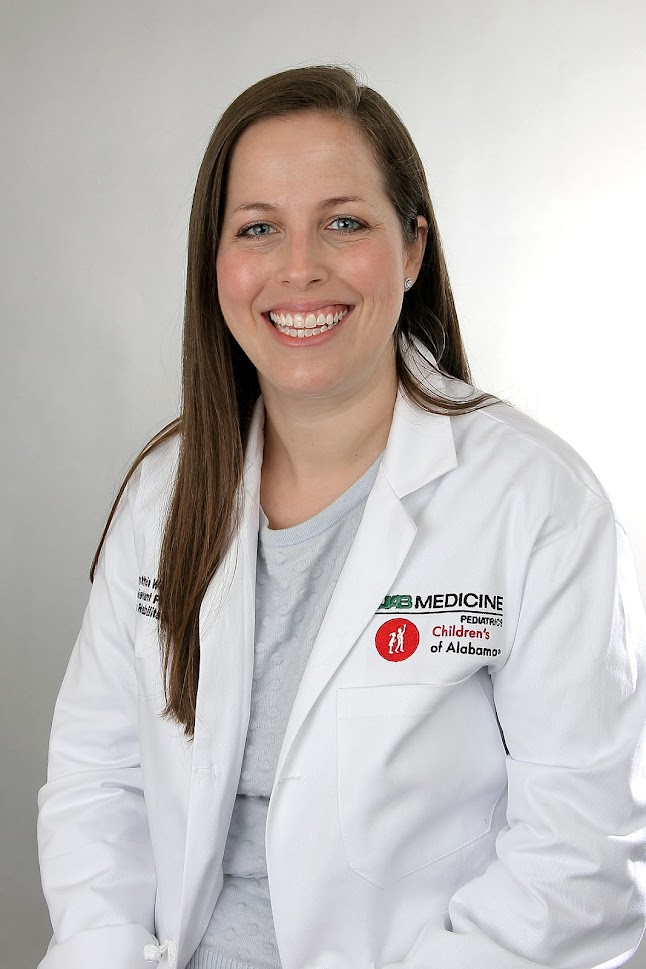 Cynthia Wozow, D.O.Cynthia Wozow, D.O., assistant professor in the Division of Pediatric Rehabilitation Medicine and Rachel Kassel, M.D., Ph.D., associate professor in the Division of Pediatric Gastroenterology, Hepatology & Nutrition, share a commitment to improving access to care for children with disabilities while ensuring the needs of caregivers are also recognized and addressed.
Centering the family experience
Wozow’s approach to disability advocacy has been shaped by both her clinical work and lived experience. In caring for children with disabilities, she recognized how medical complexity affects entire families, not just individual patients. By intentionally including caregivers in clinical conversations and asking how they are doing as people, Wozow began to identify gaps in support that often go unaddressed.
“When families feel supported and informed, it changes how they experience care,” said Wozow. “Our goal is to partner with them so they are not navigating complex systems alone.”
Those conversations often reveal challenges such as isolation, limited access to resources and the emotional strain that comes with full-time caregiving responsibilities. Wozow emphasizes partnership, helping families feel supported rather than solely responsible for advocating for their child’s needs.
Kassel shares that perspective. She describes many families’ experiences as a scavenger hunt for services, benefits and therapies their children may qualify for but struggle to access. Streamlining access to care and coordinating services can help reduce delays in treatment and improve the overall experience for families.
“Families caring for children with medical complexity already have so much on their plate,” said Kassel. “Streamlining access to care and resources is a critical part of supporting them.”
Challenging misconceptions in medicine
Both physicians are committed to addressing misconceptions surrounding disability in health care settings. They emphasize that disability should not be viewed as inherently tragic or avoided because of perceived complexity.
“People with disabilities are people first,” said Wozow. “They have interests, goals and relationships just like anyone else.”
 Rachel Kassel, M.D., Ph.D.Kassel adds that hesitation among clinicians often stems from limited exposure and training. By encouraging early and consistent interaction with individuals with disabilities during medical education, she believes providers can develop confidence and competence rather than discomfort.
National leadership and local impact
Wozow recently participated in the ACGME Summit on Fostering Disability-Inclusive Health Care and Resident Education, which brought together individuals with lived disability experience and health care leaders from across the country. The summit focused on developing a framework to integrate disability education into residency training and improve access to timely, inclusive care.
Locally, Wozow and Kassel serve on committees focused on accessibility, engagement and inclusion within UAB and Children’s of Alabama. Their efforts address practical needs such as accessible clinical spaces, appropriate equipment and accommodations for patients, families and trainees, helping ensure children with disabilities receive care without unnecessary delays.
They are also involved in advocacy related to insurance coverage, including ongoing conversations around Medicaid access for children with medical complexity. Securing appropriate coverage can reduce financial strain for families and allow caregivers to focus on meeting their child’s needs rather than navigating barriers to care.
Research informed by caregiver voices
In addition to clinical and advocacy work, Wozow and Kassel are collaborating on an ongoing research project focused on caregiver well-being across Alabama. The study examines stress, isolation and access to mental health and financial resources among caregivers whose primary responsibility is caring for a child with medical complexity.
By engaging caregivers in community settings such as therapy centers and daycares, the research aims to better understand their needs while identifying ways to make caregiving more sustainable. The long-term goal is to help improve quality of life for caregivers by connecting them with resources that support both their mental well-being and financial stability.
Looking ahead
Wozow and Kassel share a vision of a health care system where disability-inclusive care reduces wait times, meets the full spectrum of patient needs and recognizes caregivers as essential partners in care. Their work reflects the Department of Pediatrics commitment to advancing clinical excellence, education and research while supporting families beyond the exam room.
“Disability should never compromise the quality of care someone receives,” said Kassel.
Through sustained efforts in clinics, classrooms, research initiatives and community partnerships, Wozow and Kassel continue working to create a more accessible, compassionate health care experience for children with disabilities and the caregivers who support them every day.