 Historically, home accessibility has been viewed as specialized and often costly, designed specifically for people with disabilities. Today, advances in smart home technology are creating flexible, customizable solutions that benefit a wide range of needs.
While smart home technology is becoming more mainstream, how is it impacting people with spinal cord injury/disorder (SCI/D)?
Recently, the UAB Spinal Cord Injury Model System (SCIMS) collaborated on a study with the University of Pittsburgh SCIMS to explore how people with SCI/D use smart home technology. The research findings, co-authored by UAB-SCIMS Program Director Dr. Rachel Cowan, were published in the Archives of Physical Medicine and Rehabilitation. 417 individuals with varying levels of SCI/D were surveyed. Among 18 categories of smart home technology, the most commonly owned were smart TVs, voice assistants, smart cameras/alarms, and smart plugs. However, participants identified several devices they did not own – but believed would be beneficial – including smart window controls, robotic vacuums or mops, smart bed controls, and smart door locks.
Participants also identified devices they did not own but believed would be beneficial, including smart window controls, robotic vacuums or mops, smart bed controls, and smart door locks.
While cost was the most reported barrier, some devices are relatively affordable and easy to install. Here are six items right off the shelf under $200 that can improve home accessibility:
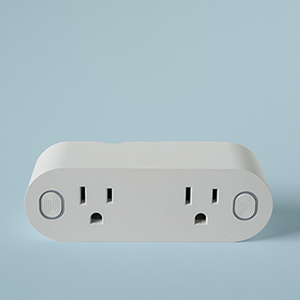
1. Smart plugs are often the easiest and most affordable way to control lighting or small appliances using voice commands or a smartphone. Users plug the device into an outlet, connect a lamp or appliance, and pair it with a Wi-Fi network using an app. Many smart plugs also work with voice assistants for hands-free control. Estimated cost: $14 to $40.
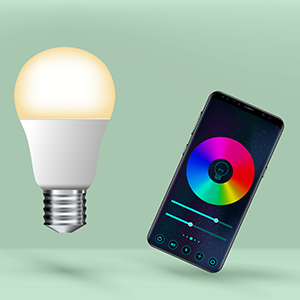 2. Smart bulbs are another easy installation option. They can be dimmed, scheduled, and adjusted for different lighting settings by voice or through an app. While they may need periodic replacement, they are an effective option for lamps or single-light fixtures. Estimated cost: $10 to $50.
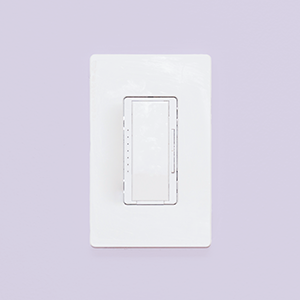
3. Smart switches offer a streamlined approach to lighting control. These switches allow users to operate lights via voice, an app, or manual touch. They are especially useful for rooms with multiple fixtures, though installation can be more complex and may require an electrician. Estimated cost: $20 to $50, plus possible installation costs.

4. Smart locks eliminate the need for a traditional key. Doors can be unlocked using a code, fingerprint, key fob, or mobile app. Smart locks may also integrate with cameras or security systems for added convenience and safety. Estimated cost: $80 to $200 or more.
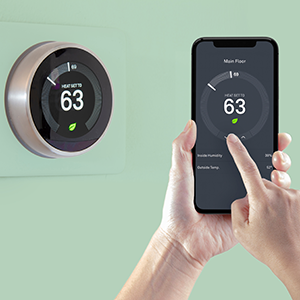
5. Smart thermostats allow users to control and adjust a home’s temperature remotely using voice commands or a smartphone. Some models can detect occupancy and adjust temperatures automatically, which may help reduce energy costs. Installation may require professional assistance. Estimated cost: $80 to $200, plus possible installation costs.
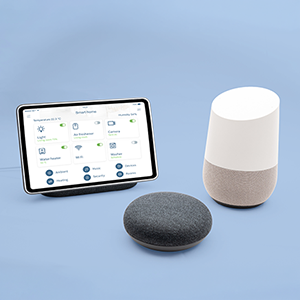
6. Voice assistants or smart hubs connect multiple types of smart home technology, allowing users to control devices from a single interface. Companies such as Amazon, Google and Apple offer systems with voice or touchscreen controls. It is important to select devices that are compatible with the chosen platform. Estimated cost: $50 to $200 or more.