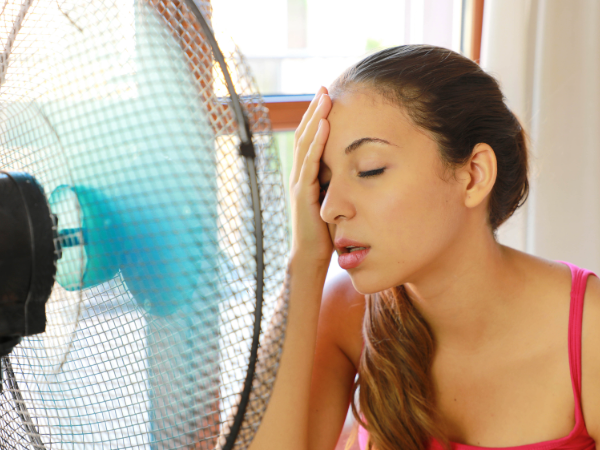
 As temperatures climb during summer, most people expect the physical effects of heat: sweating, fatigue, and the need to stay hydrated. What many may not realize is that heat can also take a toll on mental health.
Research increasingly shows that high temperatures can influence how people think, feel, and behave. From irritability and emotional reactivity to disrupted sleep and chronic stress, heat places added strain on both the brain and body.
"Heat and mental health are connected in more ways than most people realize," said Matthew Macaluso, D.O., professor, Bee McWane Reid Professor in the Department of Psychiatry and Behavioral Neurobiology. "When the body gets too warm, it works harder to stay balanced, and that strain includes how we think, feel, and behave."
Why heat affects the brain
The human body has several built-in mechanisms designed to prevent overheating. When temperatures rise, blood vessels widen, sweating increases, the heart works harder, and the body's stress-response system activates to help regulate temperature.
"Because so much energy goes toward cooling the body, less energy is available for clear thinking and emotion management," Macaluso said.
Heat may also influence key brain chemicals involved in mood regulation, including serotonin, dopamine, and norepinephrine. These changes may help explain why people often feel mentally and emotionally different during periods of extreme heat.
Researchers have found that heat waves and unusually high temperatures are associated with increases in psychiatric symptoms, mental health-related emergency room visits, substance use problems, aggression, and self-harm, with evidence from population-level observational studies consistently demonstrating these patterns across large populations. While these studies show strong associations, they do not indicate that heat directly causes psychiatric illness. Many people simply experience discomfort, but those with existing mental health conditions, chronic medical illnesses, limited access to air conditioning, or fewer social supports may face greater risks.
Short tempers and heightened emotions
If you've ever felt unusually irritable on a hot day, you're not alone.
"Heat tends to make people more irritable, frustrated, and quick to react, with less stress tolerance," Macaluso said.
Part of the reason is that coping with heat already places stress on the body. As a result, people may have fewer mental and emotional resources available to regulate their reactions.
Physical discomfort and dehydration can further worsen mood, leaving people feeling tired, overwhelmed, or impatient. Over time, these effects can spill into relationships, work, and daily interactions.
On a broader level, studies have linked higher temperatures with increases in aggression, impulsive behavior, and interpersonal conflict, suggesting that heat can influence not only how people feel but also how they interact with others.
When heat becomes a chronic stressor
An occasional hot day may be unpleasant, but weeks or months of high temperatures can create a different kind of challenge.
"Persistent heat can become a significant, chronic stressor, especially when it disrupts daily routines, work, exercise, and sleep," Macaluso said.
The body's stress response is designed to help people adapt to temporary challenges, not operate continually. Prolonged exposure to heat can leave people feeling exhausted and more emotionally drained.
Individuals who work outdoors, live without reliable cooling, or experience extended heat waves are particularly vulnerable. For them, heat can compound existing pressures and make everyday challenges harder to manage.
Over time, chronic heat-related stress may contribute to difficulty concentrating, reduced productivity, and symptoms commonly associated with burnout.
The critical connection between heat and sleep
One of the most important ways heat affects mental health may be through its impact on sleep.
Normally, the body's core temperature drops in the evening, helping people fall asleep and stay asleep. When nighttime temperatures remain elevated, the body may struggle to cool itself effectively.
"The result is trouble falling asleep, more waking during the night, and less of the deep and REM sleep that restores the mind," Macaluso said.
Even modest reductions in sleep quality can affect mood, concentration, and emotional regulation. Poor sleep has long been recognized as a risk factor for depression, anxiety, and irritability, while also reducing a person's ability to cope with everyday stress.
Because of this, disrupted sleep may be one of the most significant pathways through which heat undermines mental well-being.
Protecting your mental health during hot weather
While no one can control the temperature outside, there are steps people can take to reduce the mental strain of extreme heat:
- Stay hydrated throughout the day.
- Spend time in air-conditioned or shaded environments when possible.
- Limit strenuous outdoor activity during the hottest hours.
- Maintain a consistent sleep schedule and keep sleeping areas as cool as possible.
- Pay attention to changes in mood, irritability, or stress levels during periods of prolonged heat.
- Check on family members, neighbors, and friends who may be more vulnerable to heat-related health effects.
As summer temperatures continue to rise, recognizing the connection between heat and mental health is increasingly important.
"Most of us simply feel uncomfortable in the heat," Macaluso said. "But people with existing mental health conditions, other medical problems, little access to cooling or fewer social supports often bear a much heavier burden."
Several psychiatric medications, such as some antipsychotics, anticholinergic medications, and lithium, can impair heat tolerance or increase dehydration risk. Individuals should discuss concerns with their clinician rather than stopping medications on their own.
Understanding those effects—and taking steps to stay cool, rested, and connected—can help protect both physical and mental well-being during the hottest months of the year.