One couple with faculty roots in the UAB Heersink School of Medicine not only contributed to the school’s clinical, educational, and research-driven missions while serving their respective departments, but they are now giving back to support future clinicians, mentors, and scientists in doing the same.
Rachel Julian, M.D., who retired from the UAB Department of Psychiatry and Behavioral Neurobiology faculty in 2021, and her husband, Bruce A. Julian, M.D., professor emeritus in the UAB Department of Medicine, Division of Nephrology, have planned gifts to fund an endowed professorship and chair in the departments of Psychiatry and Medicine, respectively.
“We're really grateful for the opportunity to work at UAB in the ways that we did, and we want to support the mission and future of the professions of which we were part,” Rachel said.
The path to UAB
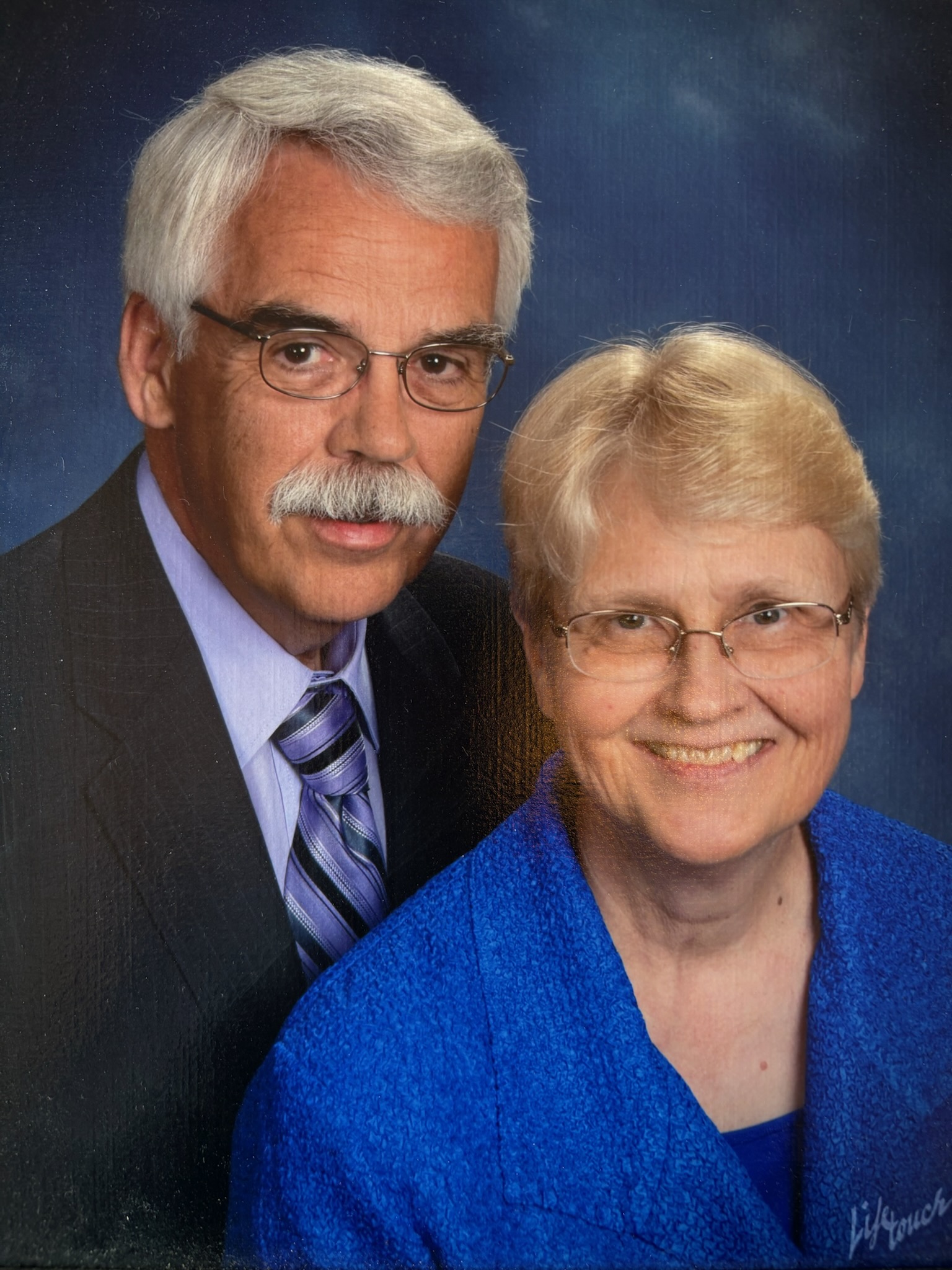 Rachel and Bruce joined the UAB Heersink School of Medicine faculty in 1984.
The couple met during medical school at Washington University School of Medicine in St. Louis, Missouri, and both pursued residency training at the University of Kentucky. At the time, they never expected their medical careers would eventually land them in Birmingham.
When Rachel extended her residency training to include child psychiatry, Bruce began a two-year fellowship in nephrology in 1978. A year later, four nephrology faculty moved South to “some place in Alabama,” called UAB. Rachel and Bruce, proud parents of a one-month-old son, decided to remain in Lexington.
“In 1980, after I completed my fellowship, we were all over the place in terms of trying to find jobs,” Bruce recalled. “We looked everywhere, from Alaska to being missionaries in Africa and in between.”
Bruce ultimately joined two former University of Kentucky faculty to start a nephrology practice in Lexington. “Another former faculty member who had considered being a part of the new practice group had been recruited to UAB,” Bruce recounted. Rachel worked at a clinic in a town near Lexington.
As Bruce began caring for a family with multiple members suffering from a chronic kidney disease called IgA nephropathy, his interests shifted to focus on research on the disease, which was the reason the Julians made the move to UAB and Birmingham.
“In the early ‘80s, Dr. Jiri Mestecky in the Department of Microbiology was recognized as the world’s expert in the immunobiology of the IgA protein,” Bruce said. “Because five faculty in the UAB Division of Nephrology had been at the University of Kentucky during my fellowship, I had learned of his research and had sent blood samples from multiple patients with IgA nephropathy to his laboratory. Furthermore, I knew about half of the faculty in the division at the UAB. So, I decided that the best place to start an academic career that included investigations into the cause of IgA nephropathy was UAB.”
All the while, Rachel’s career began with specialized training in child psychiatry and continued with a focus on community psychiatry after joining UAB. In the Department of Psychiatry and Behavioral Neurobiology, Rachel also taught residents and supervised them in clinic.
“I worked in community psychiatry and worked in their outpatient clinic for 38 years, doing medication management for seriously mentally ill patients,” Rachel said. “I enjoyed the staff, and we provided really quality care for patients who were in great need.”
Supporting future generations of clinical care and research
Although Rachel retired from UAB in 2021, she continues to work in a Birmingham-based free clinic, offering psychiatric care to those in need. In addition to her medical experience, Rachel also has a musical background and has taken up playing the harp at nursing homes and senior facilities in her retirement.
As a professor emeritus in the UAB Division of Nephrology, Bruce remains active in the research sphere, collaborating with colleagues, including Dr. Jan Novak in the Department of Microbiology and Dr. Dana Rizk in the Division of Nephrology, on ongoing research projects.
Reflecting on his career and what inspired him and Rachel to give back to the departments that helped shape them, Bruce mentions his father, who served as a faculty member at the University of Evansville in Indiana.
“Because of my father, I knew a little bit about career challenges encountered by faculty,” Bruce said.
Though Bruce originally envisioned a strictly clinical career, his plans changed.
“I really had no plans to be on faculty,” he said. “But through unexpected turns of events that led to the discovery of a family with multiple members with IgA nephropathy, I ended up pursuing research to better understand the genetics of this kidney disease and how it develops, how patients are affected, and potential treatments. Most of that work was possible because my colleagues secured grant support.”
His familiarity with the necessity of having funding to support such important work led him to want to utilize his own resources to support future generations of researchers.
From Rachel’s angle, she hopes her family’s gifts will continue to support the UAB Community Psychiatry Program and the essential services it provides.
“I feel like it's a group of patients who are underserved and often can't pay for their care, so they don't always get a lot of recognition,” Rachel said. “They have very serious mental illnesses, and they really need high-quality care to help them with that. So, I'm hoping that it will support physicians who want to work in the Community Psychiatry Program to provide that kind of care, and then also help them improve in other ways, such as their research or teaching skills.”
The gift of giving
The Julians are also providing gifts to support scholarships to their undergraduate institutions, Augsburg University and Wabash College, and Washington University School of Medicine, perpetuating support that was once shown to them.
“Growing up, our parents were really supportive of education,” Rachel said. “I wouldn't have been able to get an undergraduate education or go to medical school without scholarship support. We are very grateful that we had that support from people who thought ahead and provided those scholarships for us. So, we've already had this kind of mindset and wanting to give back and to repay that kindness that was shown to us through our education.”
Rachel and Bruce added that they hope their story may inspire others to give back where they are able.
“It’s always rewarding to know that the good work that it's been doing will continue and that someone else will carry on things that were important to us,” Rachel said.