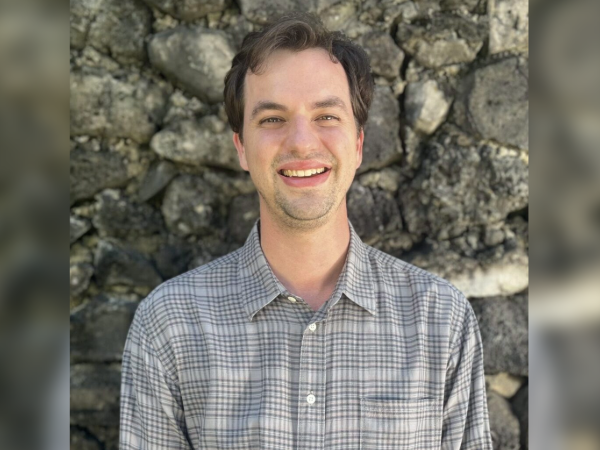
 The UAB Department of Psychiatry and Behavioral Neurobiology recently welcomed Adam Niolet, M.D., as an assistant professor.
Niolet brings experience in outpatient psychiatric care and a strong interest in resident education and diagnostic clarity. After previously working in private practice in the Birmingham area, Niolet is excited to return to an academic setting where teaching, collaboration, and evidence-based care intersect.
Niolet completed undergraduate studies at Mississippi State University, earning degrees in biochemistry and psychology, and received a medical degree from the University of Mississippi Medical Center. His clinical and educational interests include outpatient psychiatry, thoughtful medication management, and supporting trainees as they develop confidence and competence in patient care.
Niolet shares insights into his educational background, what drew him to psychiatry, and the goals he’s most excited to pursue in his new role at UAB.
Can you describe your professional background prior to joining UAB?
Niolet: Before joining UAB, I worked in private practice in the Birmingham area as an outpatient psychiatrist. I truly enjoyed my time in private practice; however, I found myself missing the collegiality, camaraderie, and pursuit of knowledge that really can only exist in an academic environment like UAB.
What inspired you to pursue a career in psychiatry?
Niolet: I was drawn to psychiatry because I enjoy spending time with patients and working through the nuances of diagnoses that tend to be more subjective in nature. I appreciate the opportunity to think critically and collaboratively with patients as part of their care.
What aspects of your role at UAB are you most excited about?
Niolet: I am most excited to work with residents in my role as an assistant training director, particularly with an emphasis on improving and building upon the current outpatient training curriculum.
What is your primary area of focus within psychiatry?
Niolet: “Expertise” may be a strong word, but I have a strong interest in the reduction of polypharmacy within psychiatry. For a variety of reasons, there is a growing problem in broader psychiatric practice with prescribing too many medications for unclear diagnoses. Emphasizing diagnostic clarity early in treatment can go a long way toward addressing—and even reversing—this trend.
Because of this, I am also interested in working with young adults who are navigating the complexities of life and the transition into adulthood.
What impact do you hope to make through your teaching and patient care?
Niolet: My primary goal is to help make the resident training clinic a place where both patients and trainees feel comfortable. Ideally, I hope the clinic becomes a destination for patients—an outpatient setting that offers strong support and evidence-based medication management.
I also hope to help create an outpatient training experience that serves as a retention tool for residents, encouraging them to stay in Alabama and allowing us to achieve these goals on a larger scale with like-minded, motivated providers.