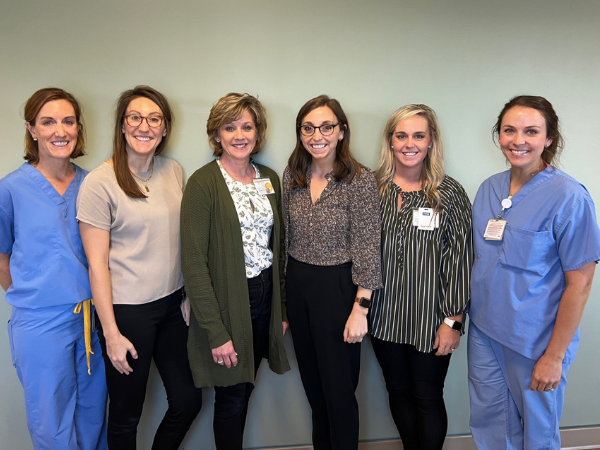
 Interviewer: Marvi Tariq, M.D.
This month’s UAB Department of Surgery Access & Engagement Committee Spotlight highlights Division of Cardiothoracic Surgery Advanced Practice Provider Jamie Theodore, CRNP. From her journey as a nurse in the ICU to the UAB Cardiovascular Institute, her breadth of knowledge and personal experiences highlight her empathetic approach to patient care. In her interview, which was led by UAB Cardiothoracic Surgery Resident Marvi Tariq, M.D., Theodore shares journey into medicine, along with the full life she lives outside of the clinical space.
What brought you into medicine, and specifically cardiac surgery?
My dad passed away suddenly in his mid-forties from a heart attack, despite being young, healthy, and active. I was 13 years old at the time, and I remember even then wanting to fully understand exactly what happened, what a “heart attack” was, and how this could have been prevented or fixed. This curiosity drove my interest in medicine through the years – to nursing school, to general ICU nursing, to UAB’s CICU, to Nurse Practitioner school, and ultimately led me to my job now in the CV Surgery Clinic where I’m fortunate enough to get to walk patients through that exact “fix”. Through the years, I’ve encountered a few young dads with premature coronary artery disease who have successfully received interventions. That’s always a very special full-circle moment for me.
What is your favorite part of your job?
Am I allowed to have two favorite parts? I hope so. First, I love the opportunity to build real relationships with our patients. I think it’s really special when I get to meet them before surgery, then walk with them through the post-op course, and then see them year after year for their follow-ups. I love the genuine joy when you see a patient on the schedule that you’ve known for years. Importantly, I also really love the people I work with. The APP team I work with keeps work fun and light-hearted, and they’ve become such good friends over the years. The surgeons are also really wonderful and make work so enjoyable. They also forever entertain my questions and are happy to keep teaching me all these years, which is something I am so grateful for.
Were there any personal life events that shaped your approach to patient care?
I’m a mom of two kids (soon to be three!), and I’ve had the unique experience of my personal and professional lives crossing over in some big ways. Our youngest son, who is 2.5 years old now, was born with congenital heart disease and had an extremely difficult start to life. I’ve taken care of plenty of patients where cardiac arrest, ECMO, maximum amounts of vasopressors, dialysis, etc. were involved, but it’s a completely different world when that patient is your newborn son. The experience o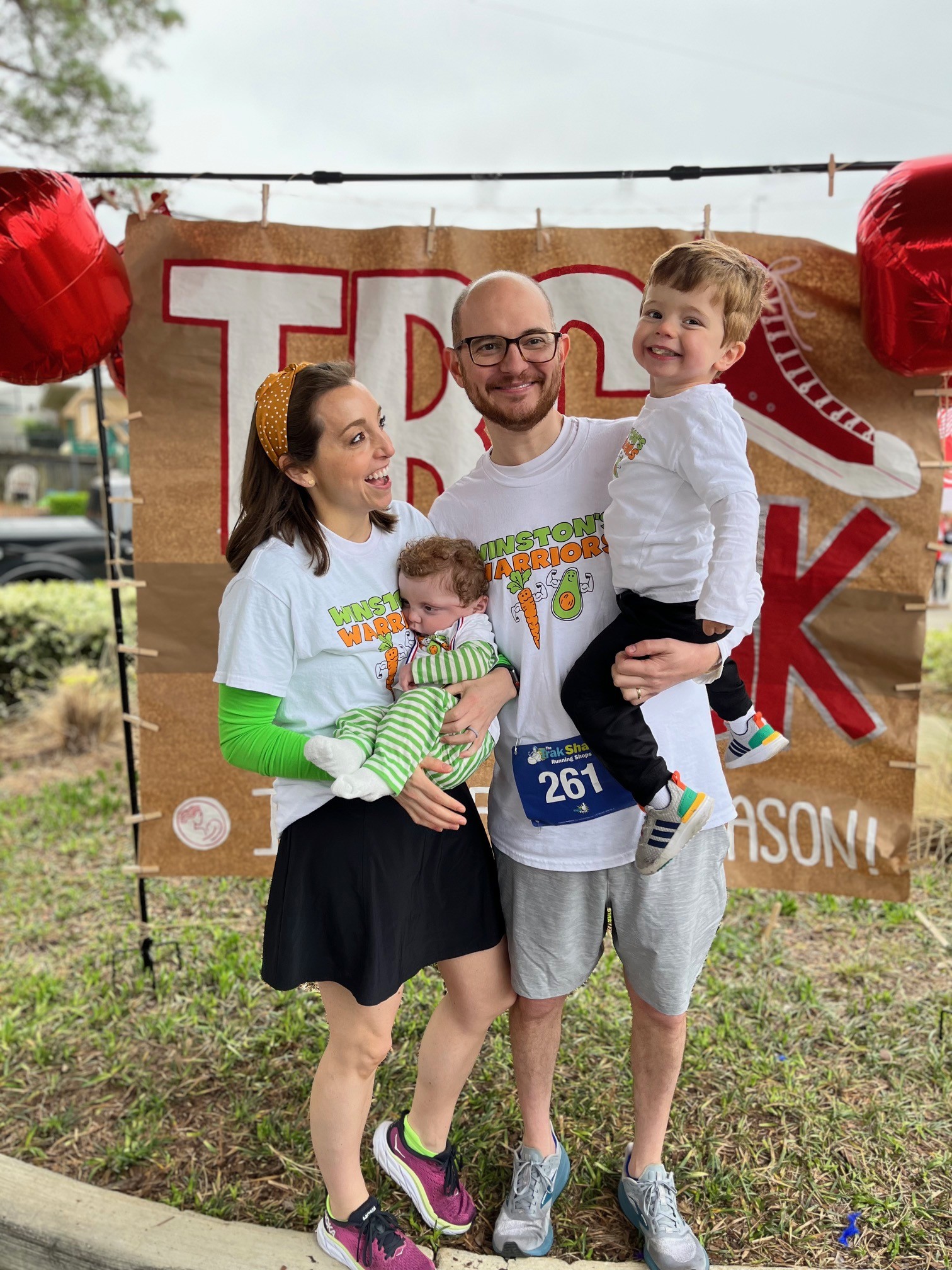 f walking through that changed me completely: as a person, as a parent, and also as a provider. I was reminded just how much the actions and words matter of those taking care of you or your loved one. We were extremely fortunate to have an absolutely exceptional team of providers, therapists, and nurses taking care of our son, and honestly the things we remember most about them probably aren’t the things they would think. Of course, we remember that they very literally saved our son’s life, but we also really, vividly remember the seemingly simple kindnesses they showed us – friendly hellos, funny jokes to make us smile, making sure we felt informed. We remember how patient they were, how they married honesty and transparency with realistic hope; how they included us in decision making and seemed to really value our opinions. We remember how gentle and compassionate they were with our son and went above and beyond to facilitate us spending time with him. They cared and were invested, and it could not have been more obvious.
When I eventually returned to work, I feel like the experience made me a much more patient and empathetic provider. I feel fortunate when patients trust me to share their hardships with me. I try to make sure I’m meeting them where they are from a health literacy standpoint, and I try to make plans and goals with them that they understand and value, because I know from personal experience that it will significantly increase the likelihood of them coming to fruition. Today, our son is overall doing really well considering his beginning in life, although he does live with some significant disabilities and medical complexities. Over the last 2.5 years of learning how to be a special needs mom, I have also gained more knowledge than I thought I’d ever need about how to navigate the social systems of healthcare. Getting the resources you need is unfortunately very rarely a simple, straightforward task, and the knowledge I’ve learned in that aspect seems to be some of the most valuable and utilized information I’ve gained.
Long answer short, my experiences over the last 2.5 years served as a reminder of how truly lucky I am to get to come to work every day and what a privilege it is to take care of our patients. It reignited my joy and my “why,” and I feel so grateful to be where I am today.
If you could share anything special/unusual about your work with readers, what would it be? Why?
So, my job involves a decent amount of wound care and management. When you start with a large wound and you’re able to successfully, independently manage it completely on an outpatient basis? Glorious. Call me weird, but I love it.
Fun facts! What do you enjoy outside of work/clinic?
I love being outside. Our family loves to travel, especially to destinations with good hiking. We’re maybe a little different in that we strongly prefer to travel with our kids; we love getting to show them a glimpse of how beautiful the world can be. I also deeply enjoy a good podcast, preferably something full of random knowledge that I’ll probably never need to know again in my lifetime (Stuff You Should Know, anyone?).