Features
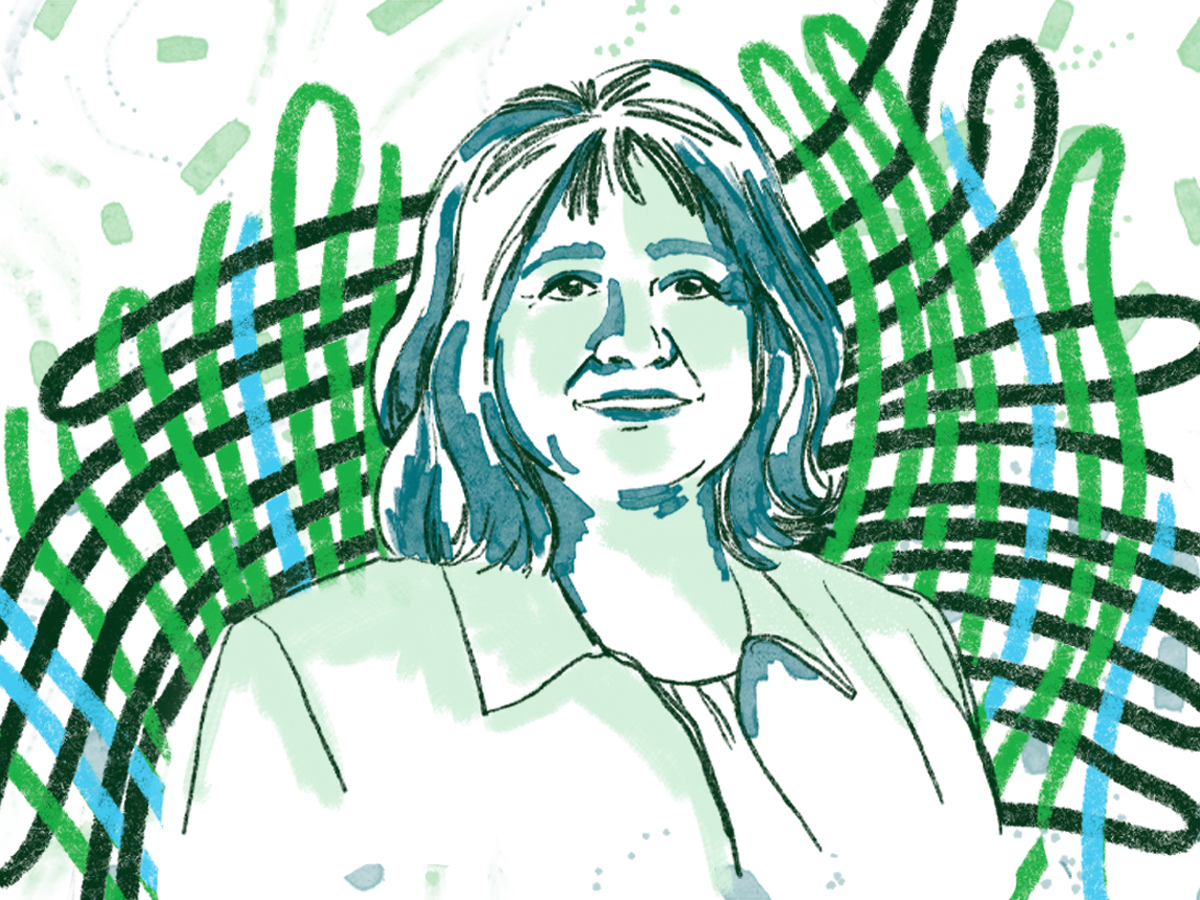
From Pfizer and Harvard Medical School to Southern Research and now UAB, Corinne Augelli-Szafran, Ph.D., has dedicated her career to accelerating the path from laboratory discoveries to patient treatments. Now a faculty leader in the Department of Biochemistry and Molecular Genetics, she is helping shape the future of drug discovery at Heersink.
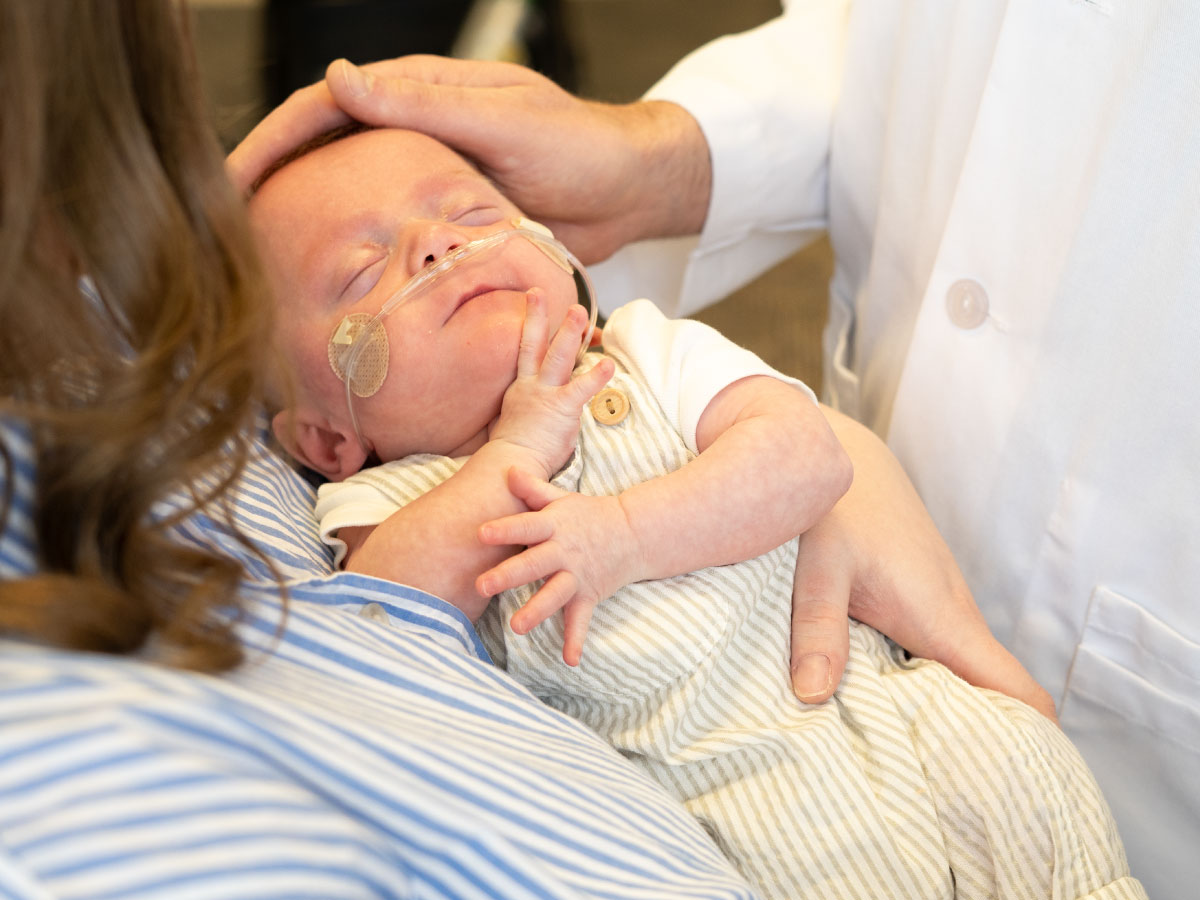
A breakfast stop, a routine doctor’s appointment, and dreams of life with twin boys. Within 24 hours, those dreams were transformed into a months-long journey in the UAB RNICU, where grief, hope, and groundbreaking neonatal care intersected.

In May 2025, after more than 30 years at The University of Iowa, John Engelhardt, Ph.D., packed up his laboratory and traveled 881 miles to Birmingham to begin a new chapter in advancing cystic fibrosis (CF) and drug development research at UAB. For Engelhardt, the move wasn’t just about his personal success—it was about building something transformative for translational medicine while creating new opportunities for the team he has mentored and worked alongside for decades.
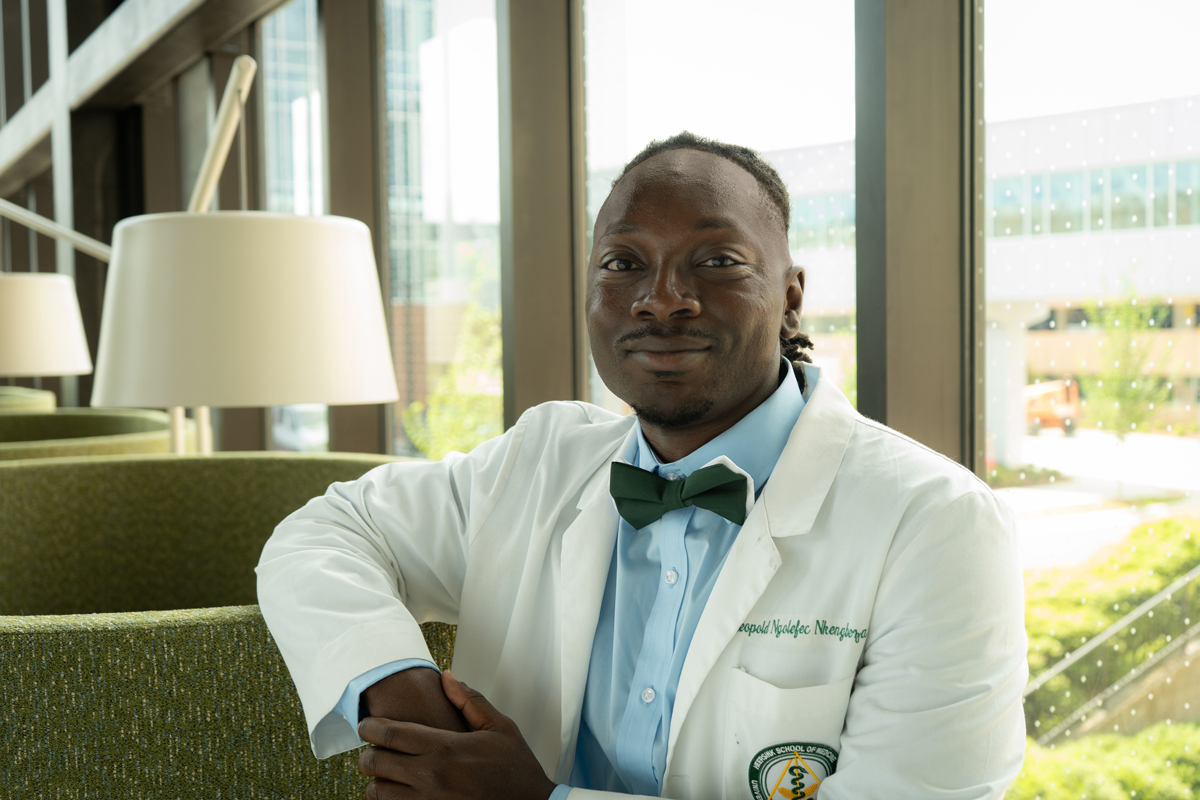
For fourth-year medical student Leopold Nkengbeza, art and medicine are two sides of the same calling. From illustrating complex surgical procedures to contributing to the Volker Hall mural, he uses creativity to make medicine more accessible and meaningful.
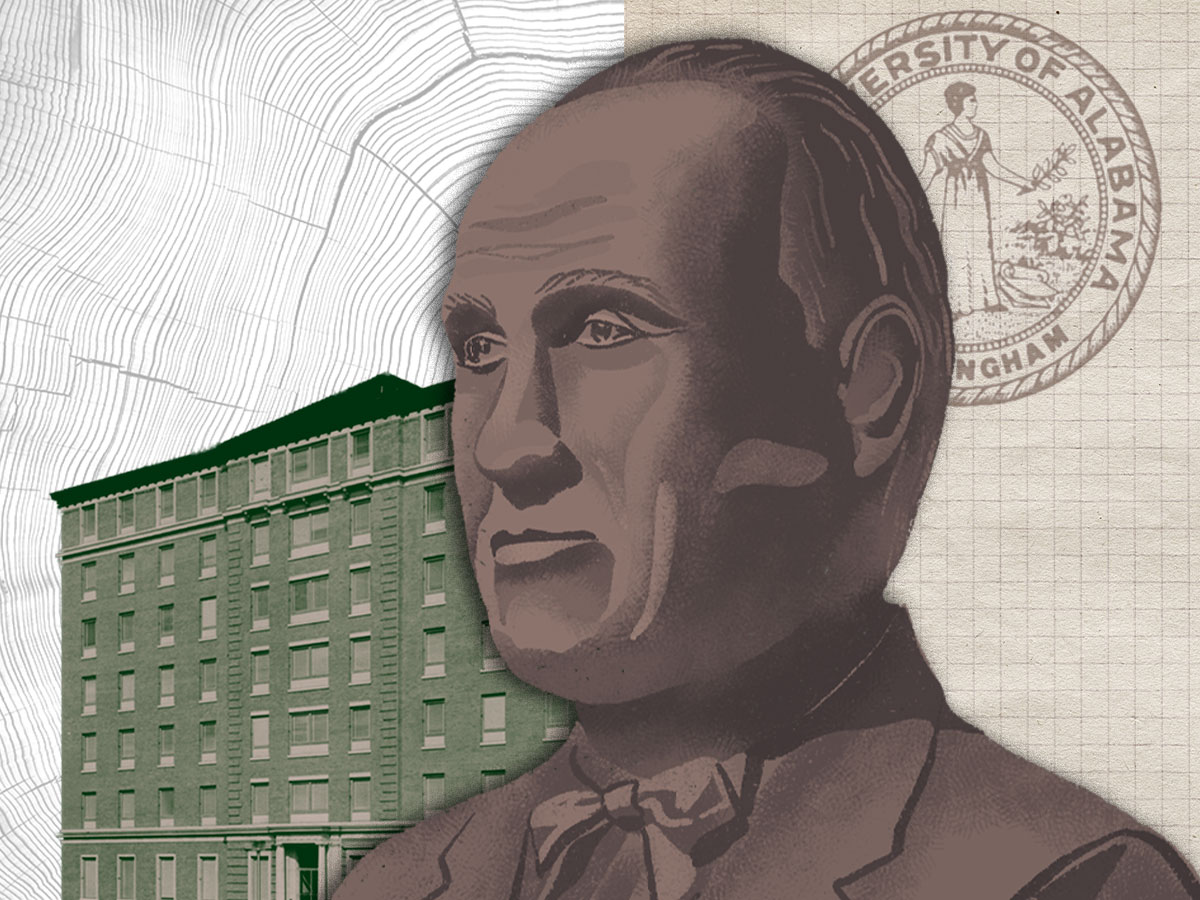
Roy Kracke, M.D., helped lay the foundation for what would become the UAB Heersink School of Medicine and one of the nation’s leading academic medical centers. A new feature in UAB Medicine magazine explores Kracke’s enduring legacy, from establishing Alabama’s first four-year medical school to the dedication of Kracke Plaza outside the Altec/Styslinger Genomic Medicine and Data Sciences Building.
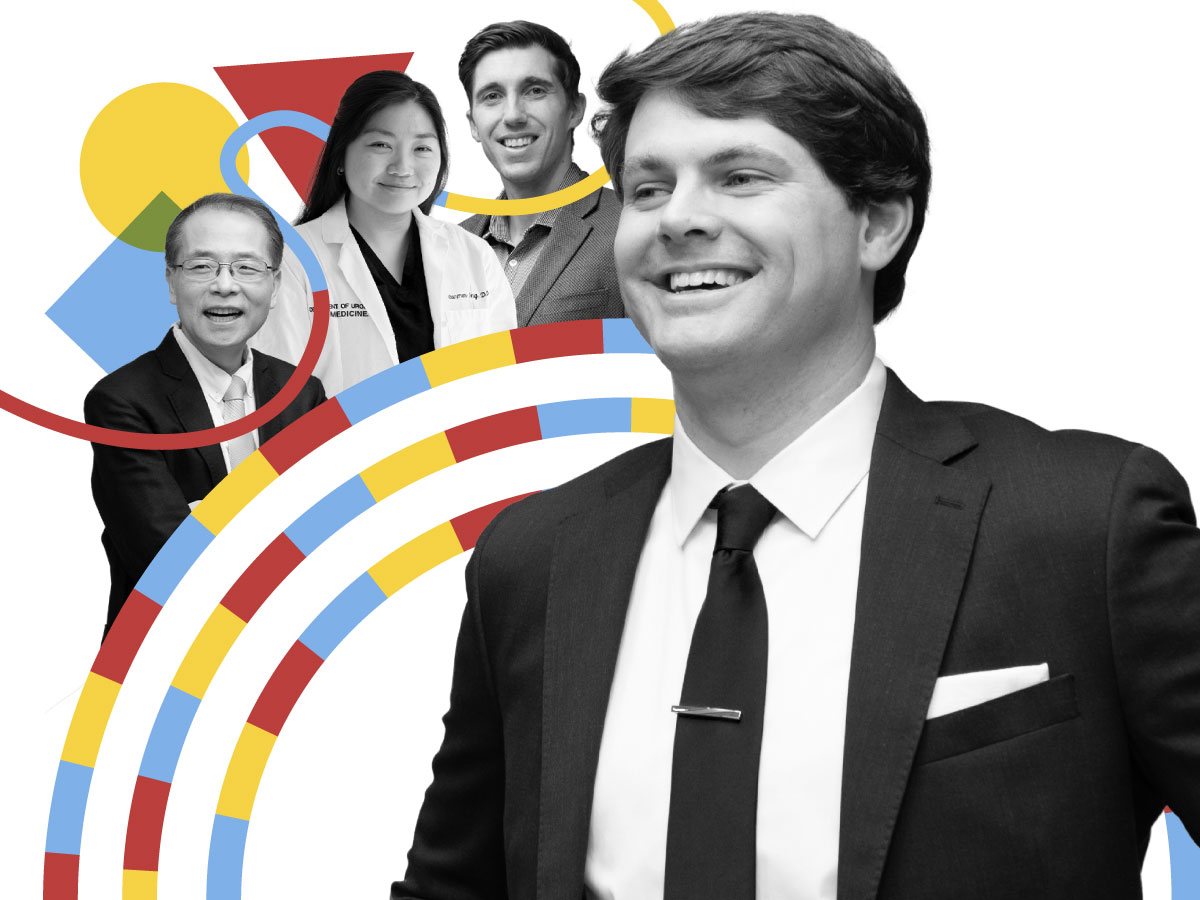
How dedicated guidance shaped Brenton Bicknell’s path to medicine and research
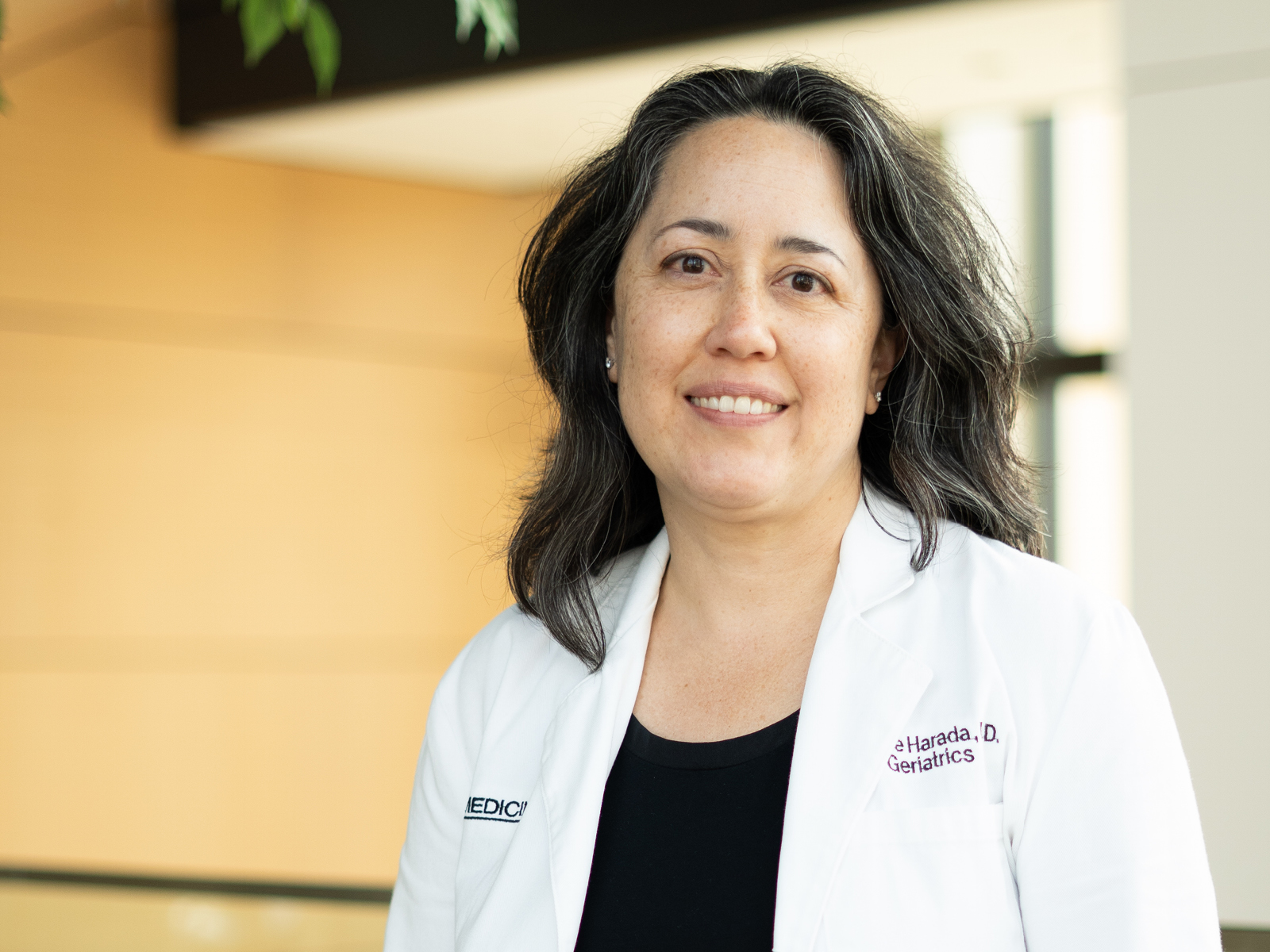
Heersink faculty members share insights on the power of innovation, compassion, and discovery to shape the future of medicine.

Before there were MRI machines or CT scans—never mind the possibility of using AI to unlock the mysteries of the human brain—there was Civitan International.

When it comes to cervical cancer, Alabama has one of the highest rates of new cases and mortality. A dire situation to be sure, but there is a silver lining: Alabama also leads the country in the effort to eliminate cervical cancer as a public health threat.
As chair of the UAB Department of Psychiatry and Behavioral Neurobiology, Adrienne Lahti, M.D., has a unique perspective on the mental health care landscape in Alabama. “Alabama ranks very low in mental health care,” she said. “In metrics comparing different states’ mental health statistics and access to care, Alabama is usually at 47, 48, 49. The demand is huge.”
As our society evolves so, too, do the health challenges we face. UAB Medicine is at the forefront of addressing emerging and evolving health issues with the introduction of new clinics and programs designed to meet the dynamic needs of patients at every stage of life. Among these are the UAB Comprehensive Smell and Taste Clinic, which responds to the increased prevalence of smell and taste disorders following the COVID-19 pandemic, providing specialized care and innovative treatment options.