Bellamy Davis, MPH, PA-C, a physician assistant (PA) in the UAB Department of Urology and past president of the Alabama Society of Physician Assistants, helped develop a new Urology Specialty Protocol approved by the Alabama Board of Medical Examiners (ALBME).
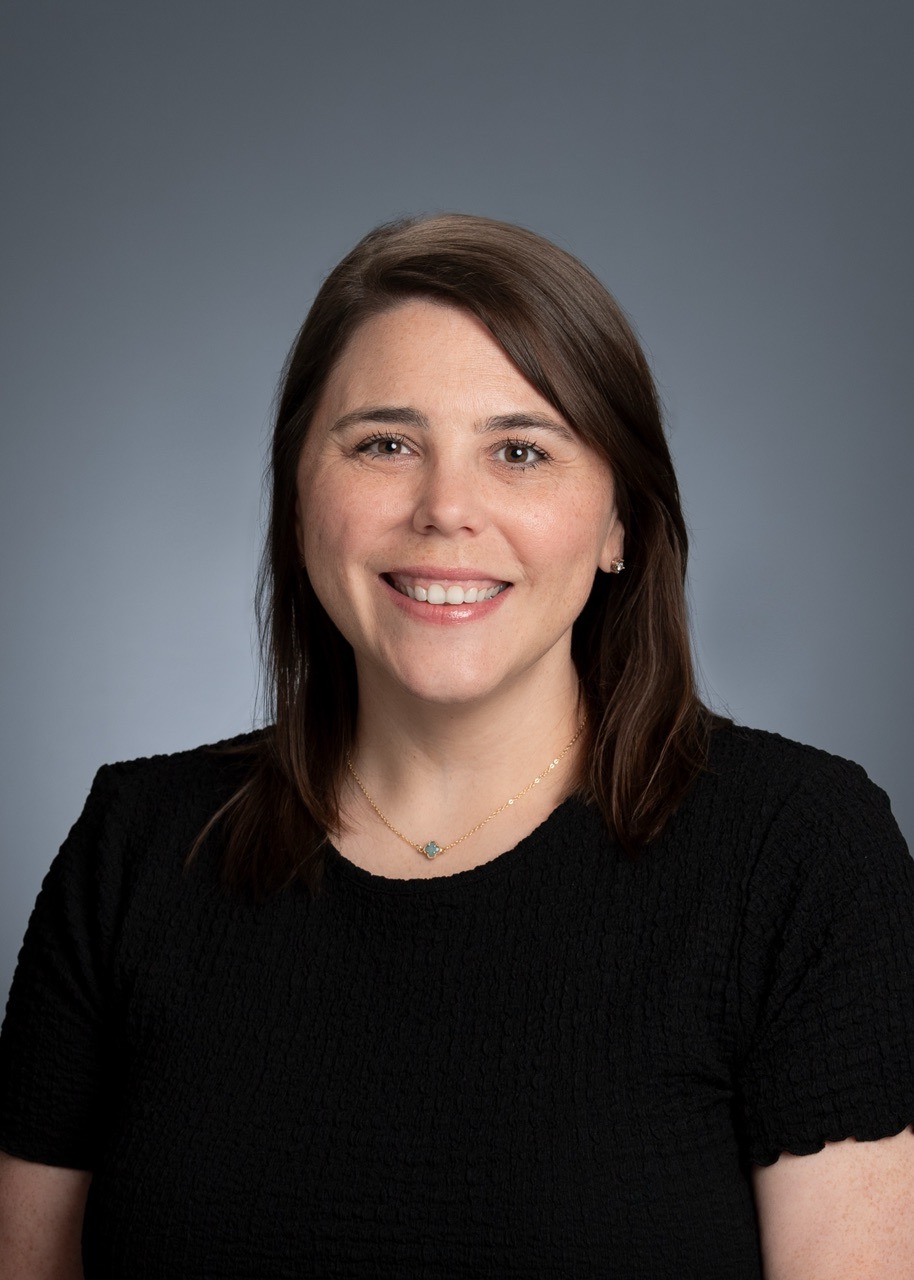 The protocol allows PAs practicing in urology across Alabama to apply for training in procedures that previously required referral to a physician, expanding access to urologic care in a state facing a shortage of urologists.
Addressing a workforce shortage
The American Urological Association (AUA) recognizes a national urology workforce shortage, with the number of retiring urologists outnumbering incoming urology residents.
"Alabama specifically has a shortage of urology care, especially in rural areas," Davis said. "The AUA supports advanced practice providers performing these procedures and supporting urologists. Prior to this protocol, PAs were unable to help mitigate the shortage for these procedures specifically."
What changes for patients
Under the new protocol, PAs can apply for training in procedures including cystoscopy with ureteral stent removal, diagnostic cystoscopy, difficult Foley placement, priapism reversal, testosterone pellet insertion, treatment of Peyronie's disease with Xiaflex injections, and transrectal ultrasound and biopsy.
"Physician assistants working in urology already evaluate, diagnose, and treat patients for a wide range of urologic conditions," Davis explained. "However, there were limits to what we could provide for patients related to workup, and it would require referral to a physician for things such as difficult Foley catheter placement, which could be emergent or time-sensitive."
For patients outside Birmingham, that can mean having a procedure during a scheduled visit rather than making a second trip for it.
"This special skills protocol allows for increased access,” Davis said. “Patients in rural and underserved parts of Alabama will not have to travel for care. This will allow for shorter wait times for patients to get necessary procedures performed and allow for expedited diagnosis and treatment."
A team approach to care
The protocol grew out of conversations within Alabama's PA and urology communities.
"We have been discussing the need for this protocol in Alabama for years," Davis noted. "Urology is a field that utilizes advanced practice providers more and more due to the shortage of urologists."
Davis worked with state universities and the Alabama Urology Network to develop the protocol.
"We were able to devise a protocol that met the needs of the Alabamians we all serve in a safe, evidence-based manner," she said.
Davis hopes the protocol helps patients understand the role of PAs in urologic care.
"Healthcare is a team sport,” she added. “There are many players and we all have important roles to play. I hope that patients understand that the PA on their team is advocating for them and working together with their physician colleagues to provide top-level care."
PAs can currently apply for training under the Urology Specialty Protocol. Davis said she hopes nurse practitioners will be able to apply in the near future.