


Study Guide: “Big Fish”
1. What are the benefits of ‘story-telling’ for a) the narrator & b)
the listener?
2. How might telling “tall-tales” benefit a person with a terminal
illness?
3. How might “tall-tales” float hope and maintain dignity at the
end of life?
4. How does this film make you feel?
5. Thinking about “ice-bergs”, as they do in the film, how
essential is it to have “serious conversations” with your loved
one before they die? –for them? For you?
6. How do we remember our loved ones who die? Do we
remember them exactly as they were or a representation of
this?
7. If we could see how we die, who of us do you think would do
things differently?
8. This week you have watched many individual stories of illness
and suffering, you have met patients, you have imagined tales
and you have explored your own stories; what has scholars
week taught you about the medical narrative and its relative
importance to medical practice?
Center for Palliative and Supportive Care

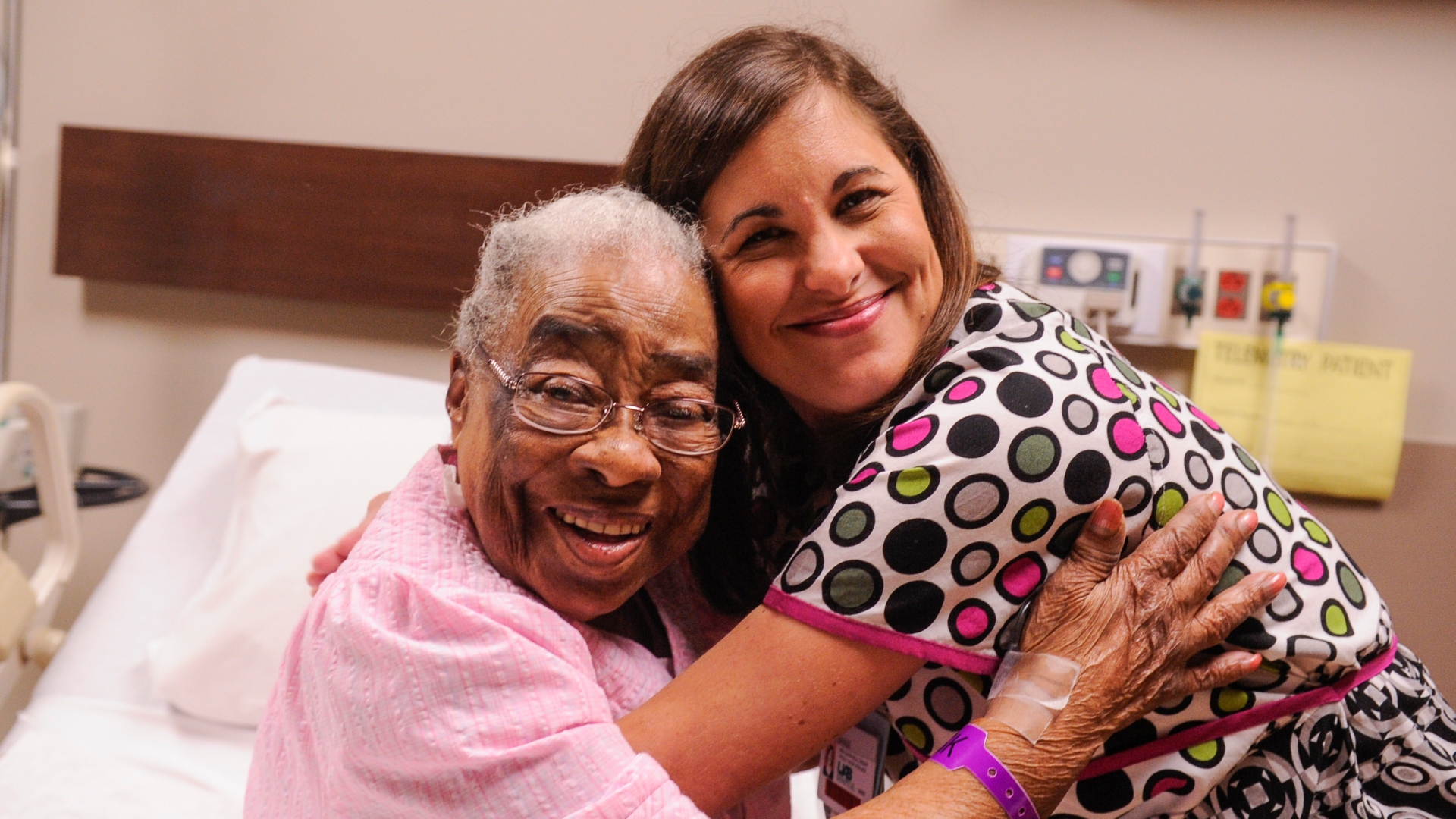
Personalized care for the stress of serious illness.
We use a comprehensive approach by focusing on the whole patient; addressing the physical, emotional, social, and spiritual suffering of disease. Our interdisciplinary team is committed to supporting patients and their families through the stress of serious illness.
Learn More
Innovative answers to the challenges of providing serious illness care.
At the UAB Center for Palliative and Supportive Care, our researchers focus on seeking out innovative answers for palliative Care problems. We are committed to supporting the clinical efforts of palliative care by studying all five domains.
Learn More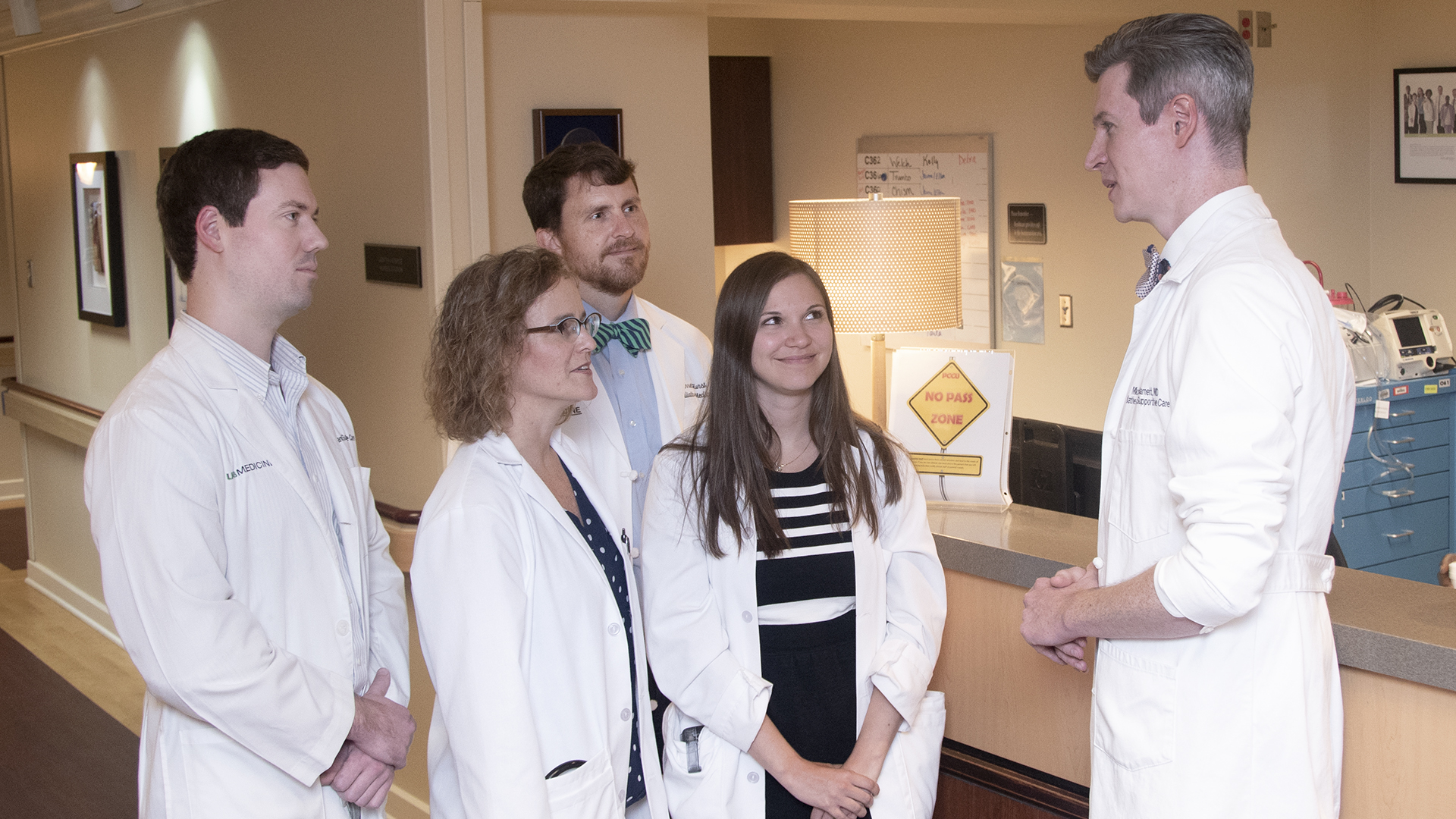
Expert clinicians training the next generation of Palliative Care team
In addition to our renowned Palliative Medicine Fellowship, our expert clinicians provide extraordinary learning opportunities for the entire healthcare team through time-tested programs such as the Clinical Training Academy and the Palliative Care Leadership Centers™ Program.
Learn More