


Training Goals for Palliative Care Psychology/Counseling Service
1. Students will experience the integration of psychology services into an
interdisciplinary team, will appreciate the dynamics of this team, and will
become proficient contributors to the team.
a. Students can describe the role of various health professionals in
the interdisciplinary team
b. Students can describe the dynamics at work within the team and
describe their implications for team effectiveness
c. Students can describe the roles of a psychologist in palliative care
settings.
d. Students can communicate to the referring physician and health
care team relevant information about the patient and family and
show appropriate judgment about what should be documented in
the medical record
2. Students will develop acute and short-term intervention skills using an
eclectic therapeutic approach.
a. Students can prepare clear assessment and treatment plans which
are appropriate to the situation
b. Students determine appropriate goals of treatment
3. Students will apply their academic and didactic background in their clinical
work and will acquire new information to augment their clinical capabilities
a. Students will actively participate in weekly supervision in which
cases are discussed in the context of related academic background
4. Students will develop a professional demeanor and become a trusted and
valued member of the health care team.
a. Interdisciplinary team members view students as displaying
professional behavior
b. Students are aware of professional and ethical standards
c. Students display appropriate professional judgment
Center for Palliative and Supportive Care

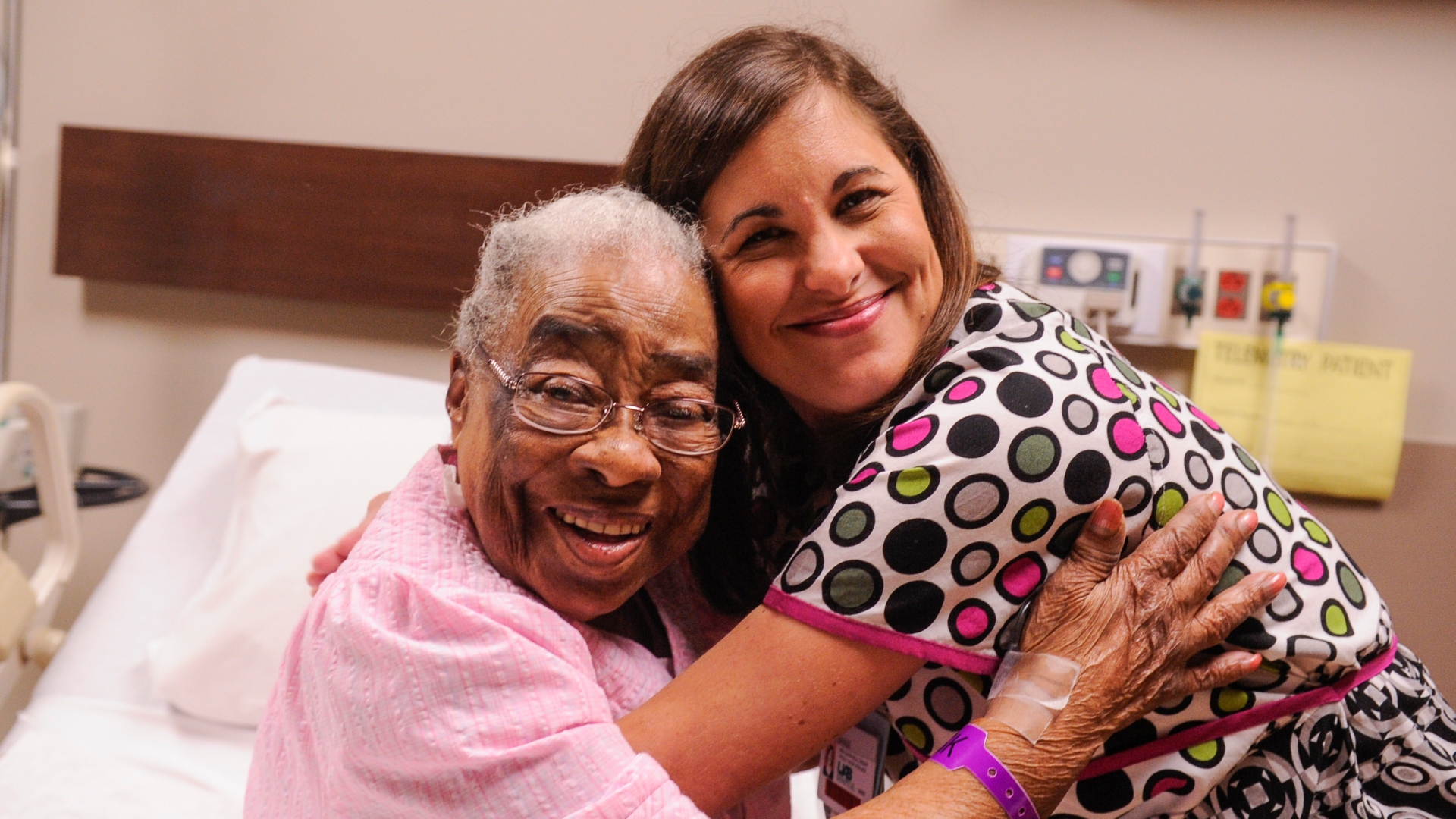
Personalized care for the stress of serious illness.
We use a comprehensive approach by focusing on the whole patient; addressing the physical, emotional, social, and spiritual suffering of disease. Our interdisciplinary team is committed to supporting patients and their families through the stress of serious illness.
Learn More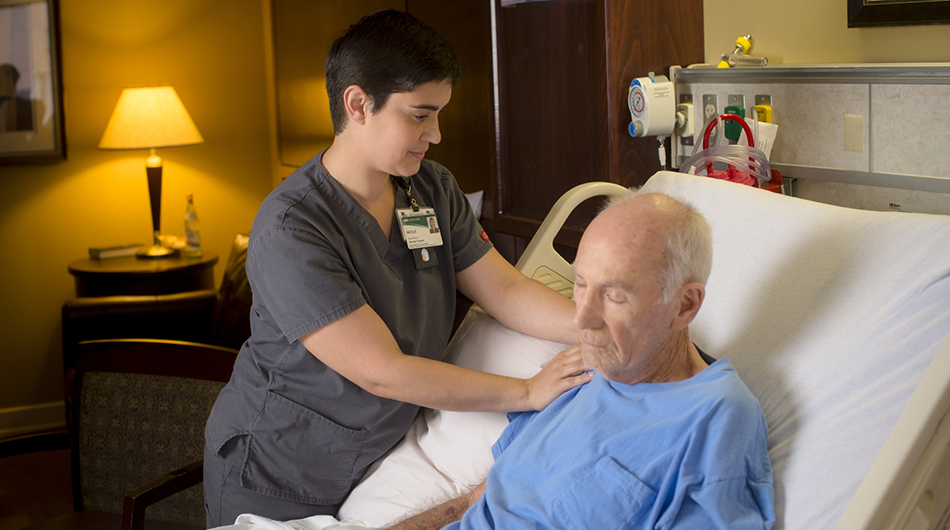
Innovative answers to the challenges of providing serious illness care.
At the UAB Center for Palliative and Supportive Care, our researchers focus on seeking out innovative answers for palliative Care problems. We are committed to supporting the clinical efforts of palliative care by studying all five domains.
Learn More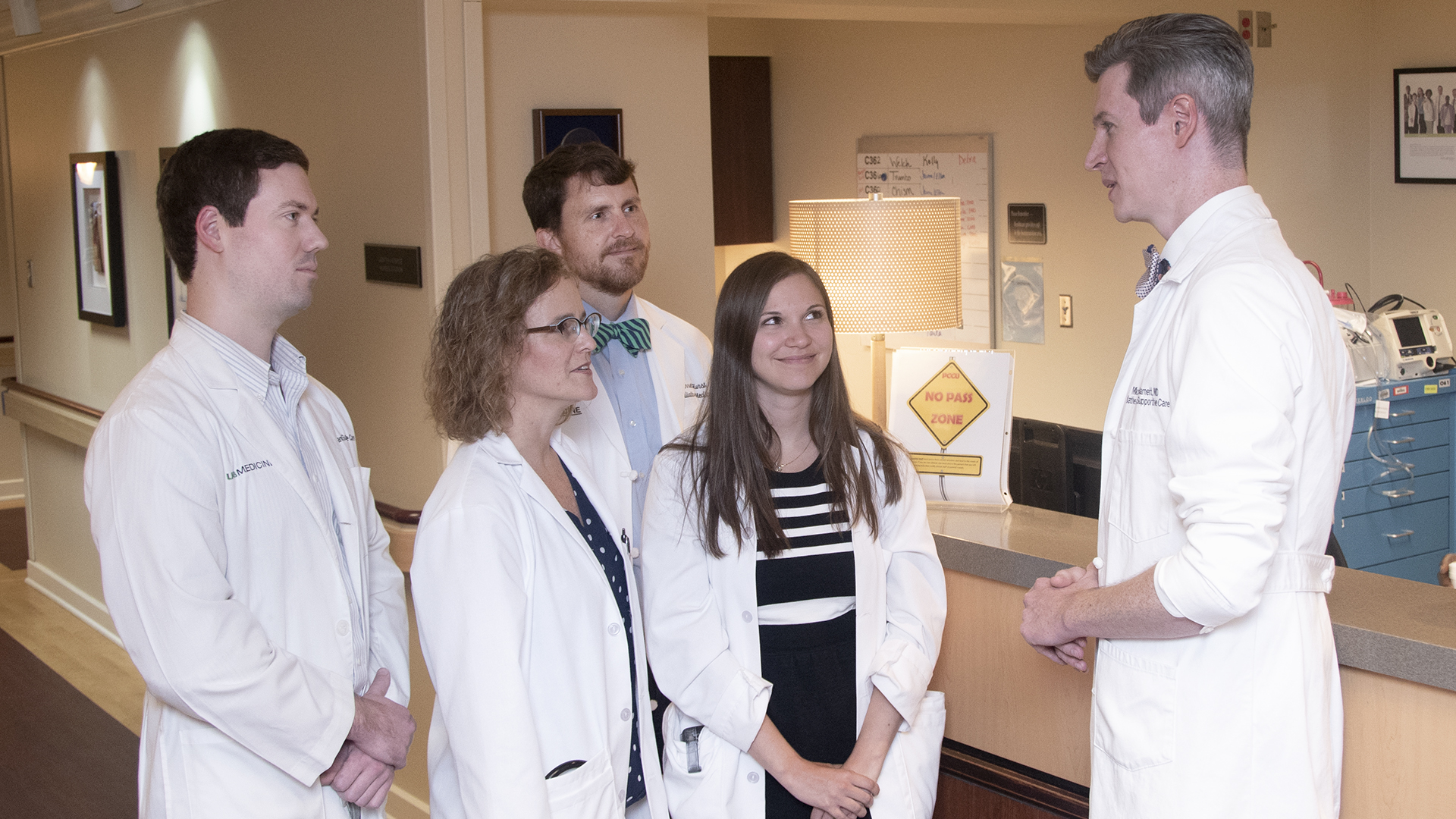
Expert clinicians training the next generation of Palliative Care team
In addition to our renowned Palliative Medicine Fellowship, our expert clinicians provide extraordinary learning opportunities for the entire healthcare team through time-tested programs such as the Clinical Training Academy and the Palliative Care Leadership Centers™ Program.
Learn More