


Explore UAB

Superfund Research Center

UAB Superfund Research Center

Impact of Airborne Heavy Metals on Lung Disease and the Environment

The University of Alabama at Birmingham Superfund Research Center addresses environmental airborne pollution with heavy metals and its impact on respiratory health and environmental degradation.

UAB Superfund Research Center Logo

The UAB Superfund Research Center

The U.S. Environmental Protection Agency (EPA) has proposed that the 35th Avenue Superfund site, located in the heart of downtown Birmingham, be placed on the National Priorities List.

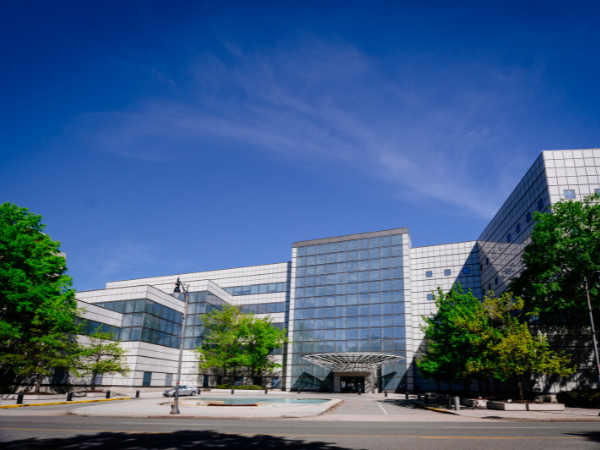
View of the Birmingham Alabama cityscape

Our Structure and Goals

The UAB Superfund Research Center consists of three biomedical projects and two environmental/engineering projects that focus on both human lung health and the health of the environment. All biomedical projects involve direct study of subjects from the affected area.

View of the Birmingham Alabama cityscape

Latest News & Updates

  • UAB ELS program celebrates fall 2025 graduates, Cohort 4
    UAB ELS program celebrates fall 2025 graduates, Cohort 4
    November 21, 2025
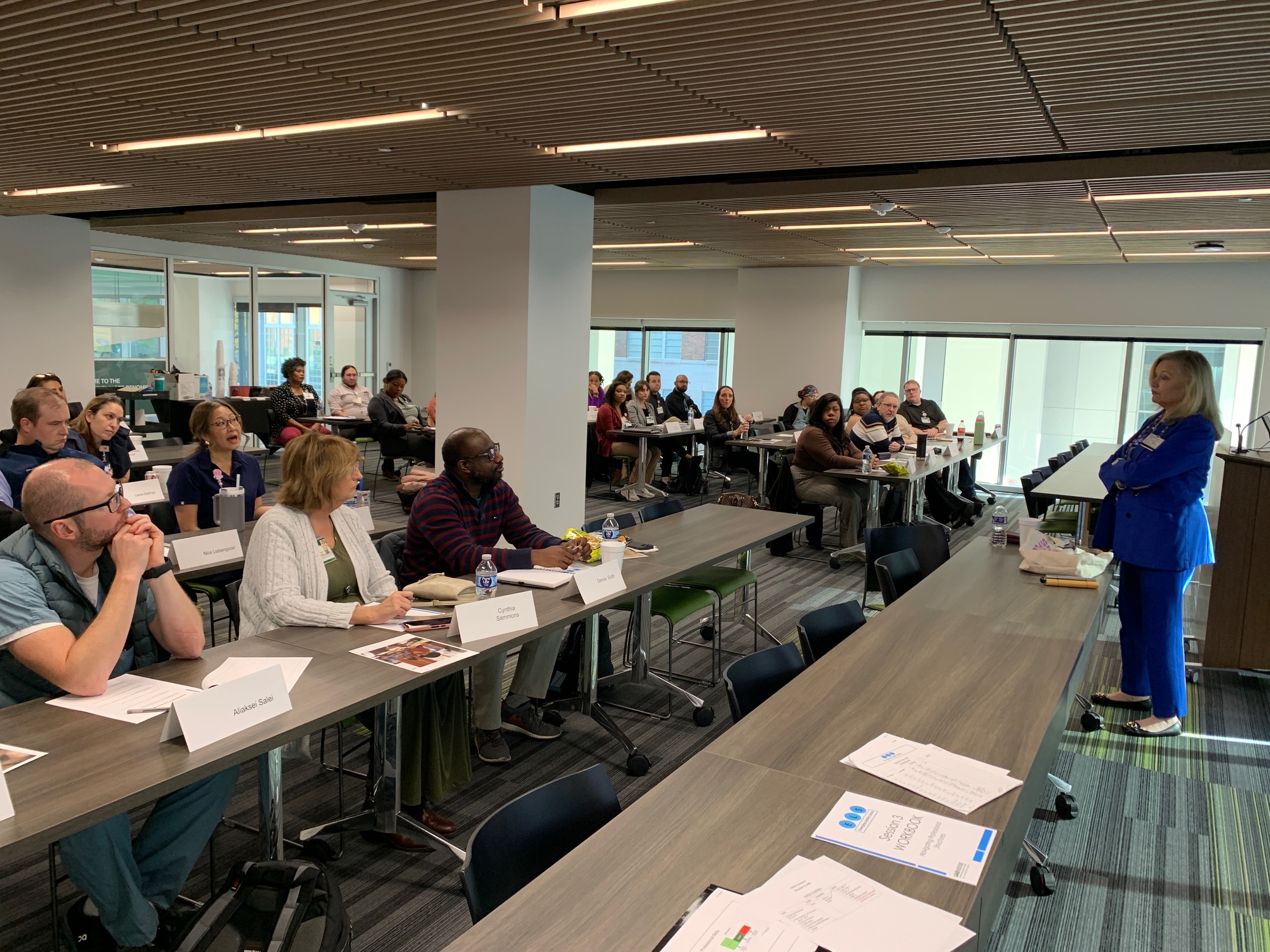
    UAB Medicine’s Leadership Development Office (LDO) honored 33 graduates of the Emerging Leaders Series (ELS) fall 2025 Cohort 4 during a ceremony held on Thursday, Nov. 12. The cohort completed a multi-session program designed to strengthen leadership capability for emerging leaders across the enterprise.
  • UAB is home to one of the only HHT clinics in the Southeast
    UAB is home to one of the only HHT clinics in the Southeast
    June 17, 2025
    Hereditary hemorrhagic telangiectasia (HHT), also known as Osler-Weber-Rendu syndrome, is a rare, but serious, genetic disorder that causes abnormal blood vessels to form throughout the body. These abnormal vessels bypass much smaller blood vessels, or capillaries, creating direct connections between arteries and veins known as arteriovenous malformations (AVMs).
  • UAB Heersink School of Medicine announces 2024/2025 Multi-PI Award recipients
    UAB Heersink School of Medicine announces 2024/2025 Multi-PI Award recipients
    May 6, 2025
    The UAB Heersink School of Medicine is proud to announce the recipients of the 2024/2025 Multi-PI Awards, each funded with $150,000 per year for two years. These awards recognize outstanding collaborative research efforts aimed at addressing critical health challenges.
  • NTM Program Excels in Collaborative Care for Patients
    NTM Program Excels in Collaborative Care for Patients
    April 3, 2025
    As NTM cases rise, the UAB Nontuberculous Mycobacterial (NTM) Program, led by Bryan Garcia, M.D., in partnership with German Henostroza, M.D., has formed a multidisciplinary team to provide individualized care, improve diagnosis, and enhance treatment outcomes for patients with NTM.
  • The importance of collaboration for AI in medicine: an interview with Sandeep Bodduluri
    The importance of collaboration for AI in medicine: an interview with Sandeep Bodduluri
    March 12, 2025
    Sandeep Bodduluri, Ph.D., is working to use artificial intelligence (AI) to improve health care processes and the patient experience. Through courses offered by the Marnix E. Heersink Institute for Biomedical Innovation, he is sharing his knowledge with clinicians at UAB and abroad, emphasizing the importance of interaction between clinicians and engineers in AI research and development.
  • $100 million in contributions to transform UAB School of Medicine
    $100 million in contributions to transform UAB School of Medicine
    September 28, 2021
    Record $95 million Heersink lead gift to advance strategic growth and biomedical innovation.

We postulate that exposure to heavy metals exacerbates LRTI and lung injury due to the persistence of lung macrophages that maintain a classically activated phenotype.
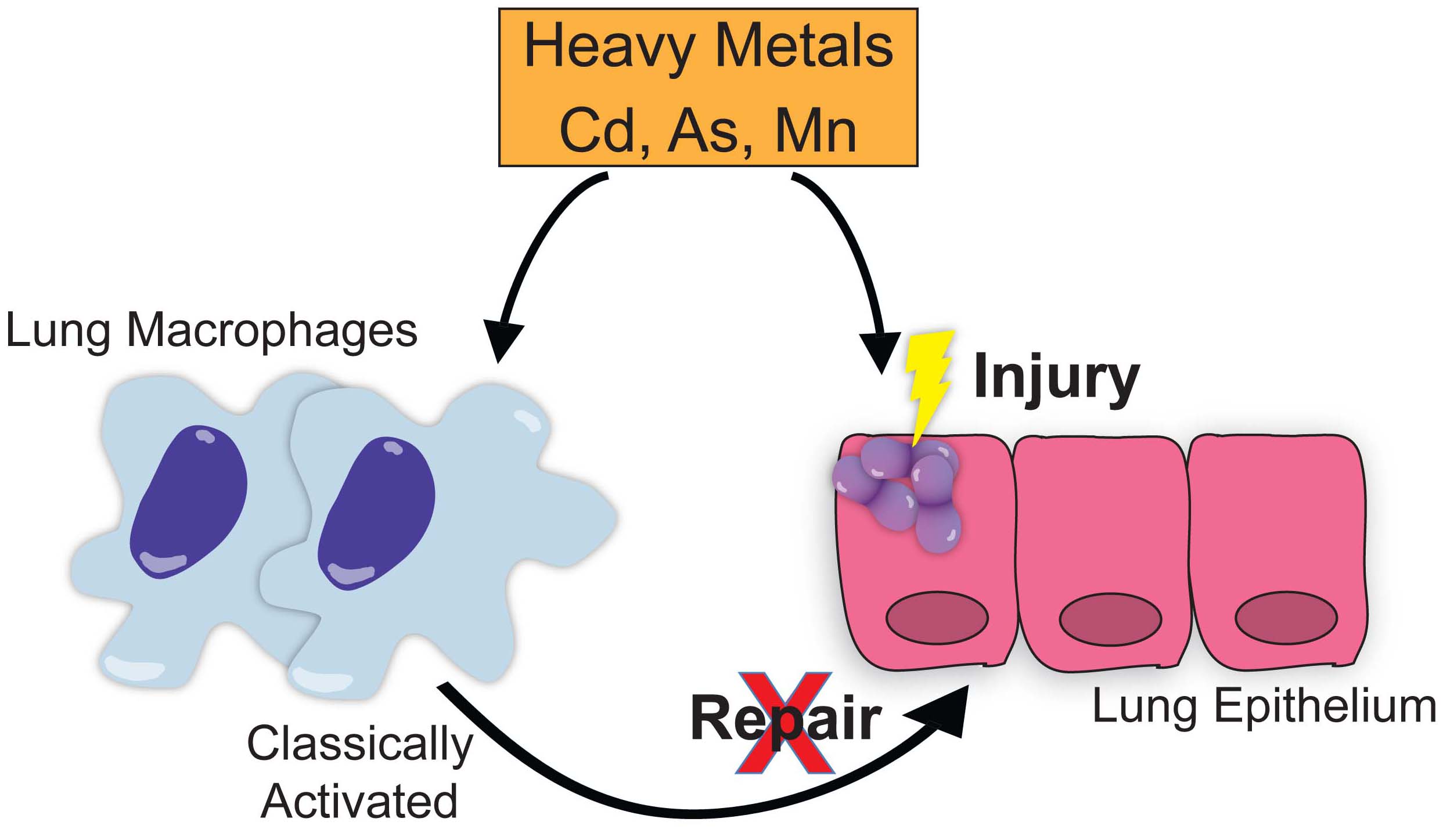

Project3InfectionModel

Aim 1: Determine if residents of the Affected Area (proposed NPL area) compared to residents of the Control Area have an increase in classically activated lung macrophages. The goals of these studies are to determine if macrophage phenotypic switching is impaired in residents from the Affected Area compared to control subjects and if BAL fluid from residents in the Affected Area alters wound closure and permeability of injured alveolar epithelial cells.

Aim 2: Determine the molecular mechanism(s) by which heavy metals mediate classical and attenuate alternative activation of lung macrophages. The goals of these studies are to utilize genetic approaches to determine the mechanism(s) by which macrophages maintain persistent classical activation.

Aim 3: Determine if the severity of LRTI and lung injury is exacerbated by heavy metals and heavy metal mixtures. The goals of these studies are to determine if heavy metal-exposed mice have increased bacterial load, lung injury, and mortality compared to WT mice infected with S. pneumoniae. Proof-of-concept will be determined by using mice harboring a conditional deletion of PPAR- in macrophages.

bcarter1