The Alabama Black Belt
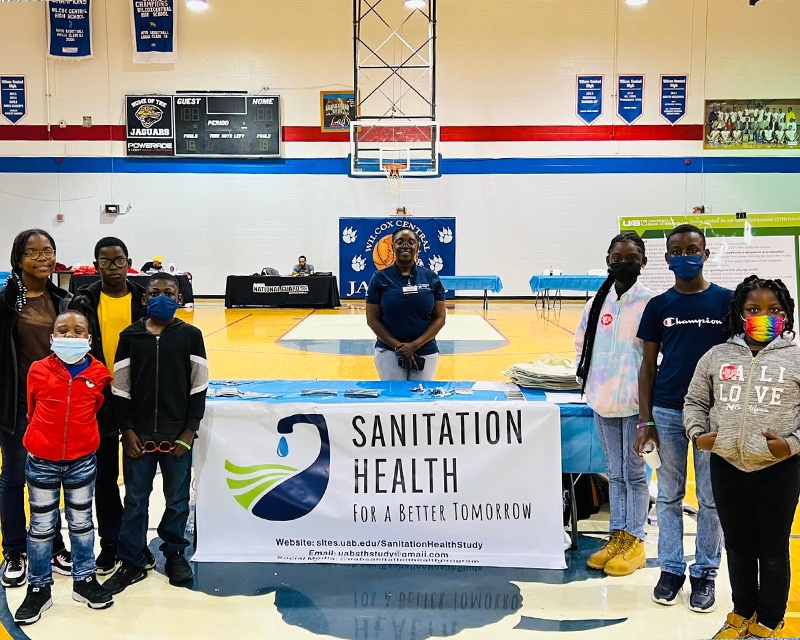 The Alabama Black Belt is a historically significant region named for its rich, dark soil, but it is equally notable for its demographic composition. The area encompasses a series of counties across central and southern Alabama, where African Americans make up a majority or a significant portion of the population. Many residents are descendants of enslaved people who worked on the cotton plantations that dominated the region before the Civil War. Today, the Black Belt remains predominantly rural, with small tightly knit communities, low population density with most residents residing in unincorporated areas. Socioeconomically, the region faces persistent challenges, including high poverty rates, limited access to healthcare, and lower educational attainment compared to state and national averages. Despite these challenges, the Black Belt retains a strong cultural heritage, deeply tied to African American traditions (church, soul food, music, art), civil rights history, love of nature, and deep-rooted community pride.
The Issue
Given the rurality of the region, the majority of households are unable to connect to a centralized sewer system and most households rely on an onsite system. Due to the soil conditions of the region, regular septic systems fail. The few small existing sewer systems in the region are aging with cost-prohibitive upgrades needed beyond the ability of these small towns to afford. It is estimated that about 30,000 households across the region have inadequate sewage management.
Health Concerns
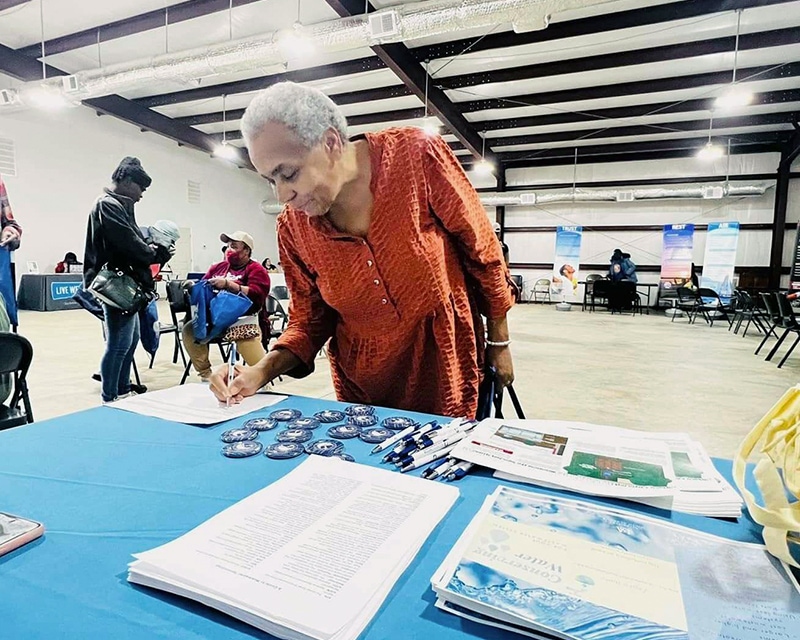
Since 2019 UAB in conjunction with community partners has conducted several health investigations in the region. Although conditions persist raising concern for intestinal parasites such as hookworm, these infections have thankfully not been found, however residents are being exposed to other health risks.
Learn more about these studies
- Poole C, et al. Water and Sanitation Access for Children in Alabama. Pediatrics (2024) Opens an external link.
- Pediatrics - Water and Sanitation Access for Children in Alabama (Videos)
- Poole C, et al. Cross-Sectional Study of Soil-Transmitted Helminthiases in Black Belt Region of Alabama, USA. EID (2023)Opens an external link.
- Capone D, et al. Risk Factors for Enteric Pathogen Exposure among Children in Black Belt Region of Alabama, USA. EID (2023)Opens an external link.