Faculty
-
Agostinelli, Elise, O.D.
 Clinical Instructor
 Areas of Interest
comprehensive and primary pediatric eye care -
Albert, Jr., Michael, M.D.

Associate Professor
Community Partner
Retina Consultants of Alabama -
Arciniegas-Bernal, Ann Marie, M.D.

Associate Professor
Areas of Interest
comprehensive pediatric ophthalmology, adult strabismus, pediatric cataracts -
Berry, Sarah, O.D.
 Clinical Instructor
 Community Partner
TriaVision -
Bianco, Gianfranco, Ph.D.

Assistant Professor
Areas of Interest
glaucoma, myopia, ocular biomechanics, age-related changes of sclera and vitreous, biomedical imaging, vitreous and ONH histomorphometry, biomechanics of vitreous-retina interface -
Blackstone, Waid, M.D.

Assistant Professor
Community Partner
TriaVision -
Blansett, Deborah, O.D., M.S.

Clinical Instructor
Areas of Interest
primary eye care, ocular disease, glaucoma management, diabetic eye disease, dry eye treatment, cataract co-management, and contact lens fitting -
Boulton, Michael E., Ph.D.
 Professor
Areas of Interest
using cell and molecular approaches to better understand retinal aging and the pathogenesis of age-related macular degeneration and diabetic retinopathy -
Callahan, Michael A., M.D.
 Professor
Areas of Interest
comprehensive and primary eye care -
Chaiprakob, Jeff, M.D.
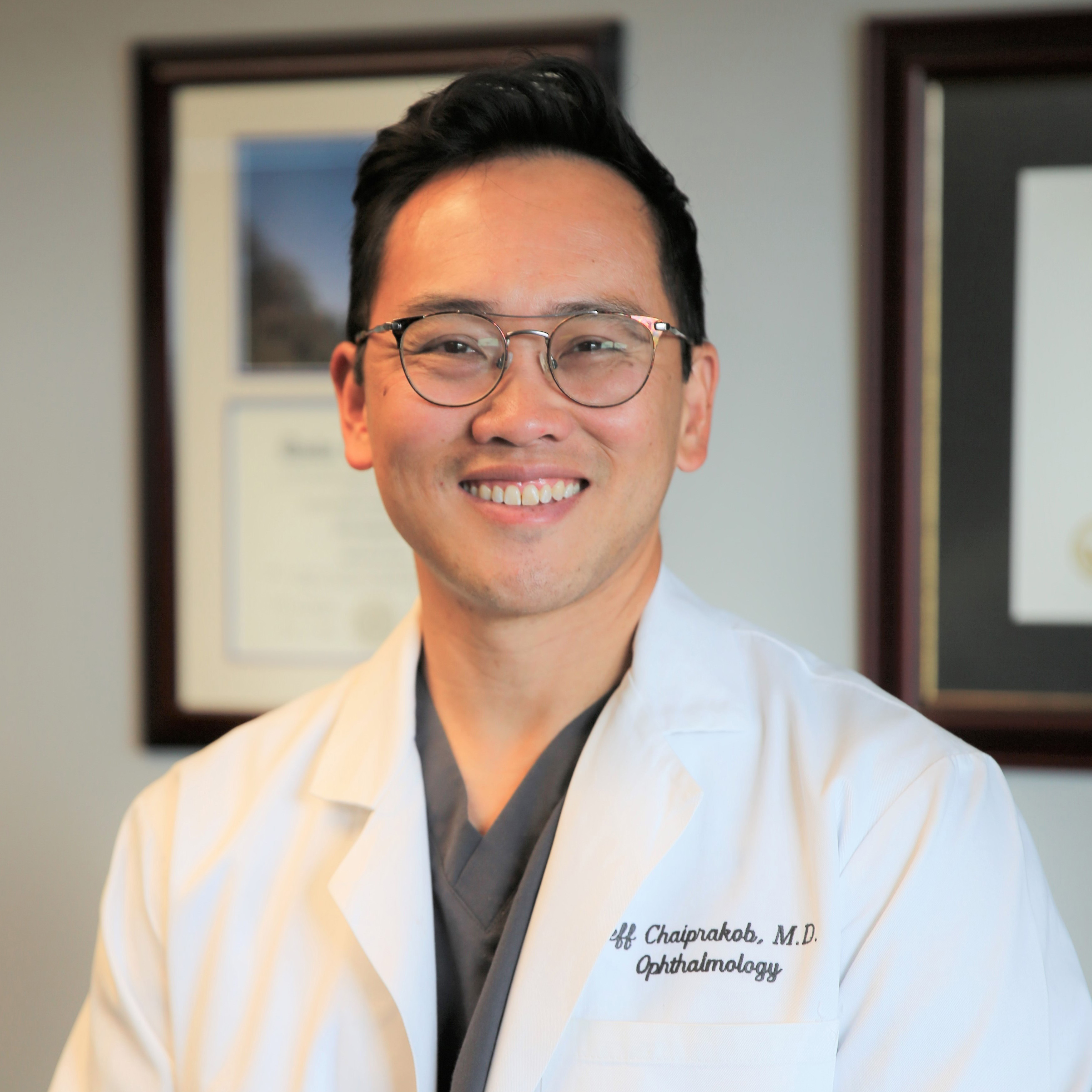 Assistant Professor
 Community Partner
TriaVision -
Cogen, Martin S., M.D.

Professor
Areas of Interest
pediatric ophthalmology, pediatric and adult strabismus -
Crain, R. Jeffrey, M.D.

Associate Professor; Director, Birmingham Veterans Affairs Medical Center Ophthalmology Service
Areas of Interest
comprehensive ophthalmology, cataract surgery, resident education, veterans affairs -
Crosson, Jason, M.D.
 Assistant Professor
Community Partner
Retina Consultants of Alabama -
Curcio, Christine A., Ph.D.

Professor Emeritus; Director of the AMD Histopathology Lab
Areas of Interest
aging and age-related macular degeneration — pathogenesis, image validation, and genomics -
DeCarlo, Dawn K., O.D., Ph.D., MS, MSPH

Professor Emeritus
Community Partner
Sights Savers America -
Downs, J. Crawford, Ph.D.

Professor
Areas of Interest
ocular biomechanics, glaucoma -
Dreer, Laura, Ph.D.

Associate Professor; Director, Psychological & Neuropsychology Clinical Research Services
Areas of Interest
adjustment to chronic health conditions; development of health promotion interventions for patients and family caregivers -
Dudley, Parisa, O.D.

Assistant Professor
Areas of Interest
primary eye care, ocular disease, contact lenses, and pediatrics -
Everett, Andrew, M.D.
Assistant Professor
Areas of Interest
glaucoma, cataract surgery, veterans affairs -
Fazio, Massimo A., Ph.D.

Associate Professor
Areas of Interest
investigating intraocular pressure (IOP) and structural changes in the eye in relationship to age, race, and ocular diseases like glaucoma