MSTP Advisory Committee (MSTPAC)
In addition to serving as a policy advisory group, the MSTPAC acts as the admissions committee for the Program.
|
|
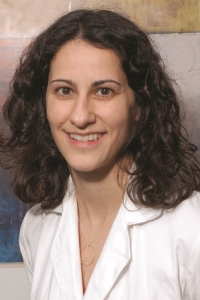
Dr. Lorenz joined the UAB faculty in 2002 as an Associate Professor in the Departments of Pathology and Microbiology. The National Institutes of Health and the Sandler Program for Asthma Research fund her laboratory research investigating the mucosal immune system. She has been a member of numerous NIH and American Cancer Society study sections, and currently serves as the Co-Chair of the Crohn’s and Colitis Foundation Research Training Awards Committee. At UAB, her administrative duties include being the Associate Director of the Pathology Residency Program, Program Director of the SIBS Undergraduate Research Program, and Associate Director of the Mucosal HIV and Immunobiology Center. She is married to Dr Kevin Roth and has two children, Theo and Loren. |
|
|
Dr. Louis Justement joined the MSTP as Assistant Director on July 1, 2005 and became Associate Director on July 1, 2006. Dr. Justement, Professor of Microbiology, received his B.A. degree in Microbiology from Miami University. He subsequently received his M.S. and Ph.D. degrees from Ohio State University in Since that time he has continued these studies first as an Assistant Professor of Microbiology and Immunology at the University of Texas Medical Branch in Galveston, Texas (1990-1996) and subsequently as a member of the Department of Microbiology at UAB where he is currently a Professor and Associate Director of the Medical Scientist Training Program. When not working he enjoys spending time with the family, as well as gardening, fishing or hiking. |
|
Temporary Leave |
Anupam Agarwal, MD is Professor of Medicine, Director, Division of Nephrology and Nephrology Research and Training Center. He also serves as the Program Director of the NIH/NIDDK funded O'Brien Core Center for Acute Kidney Injury Research. He has graduate faculty status in the Departments of Biochemistry and Molecular Genetics, Pathology and Cell Biology at UAB. Dr. Agarwal's research program has provided critical insights regarding the protective nature and significance of heme oxygenase-1 (HO-1) in vascular and renal inflammation, angiogenesis, transplant biology, and the molecular regulation of the human HO-1 gene. His research efforts include three main areas. (i) His laboratory is studying the molecular regulation of the human HO-1 gene in renal and vascular injury. Induction of this gene occurs as an adaptive and beneficial response to injury and is protective in several clinically important conditions such as acute kidney injury, transplant rejection and atherosclerosis. Studies are focused on identifying regulatory regions in the human HO-1 gene that mediate induction in response to stimuli such as heme, cytokines, nitric oxide, modified lipids and growth factors. The studies involve molecular biology techniques to study DNA-protein interactions using the 3C assay (Capturing Chromosome Conformation), chromatin structure analysis and site-directed mutagenesis using both in vitro cell culture approaches and in vivo models using cell/tissue specific transgenic mice. (ii) The functional significance of HO-1 gene expression is also being evaluated using in vitro and in vivo systems in transgenic animal models of acute kidney injury and immune-mediated injury in the setting of transplantation. (iii) His laboratory is actively pursuing gene delivery approaches in the kidney and the vasculature in animal models of transplantation using recombinant adeno-associated viral vectors. Dr. Agarwal has been responsible for the training of 12 pre- and 13 post-doctoral fellows in his laboratory, several of whom have been successful in obtaining post-doctoral fellowships from the American Heart Association and the National Kidney Foundation and have continued to pursue active academic careers. Dr. Agarwal has served on national and international peer review panels and is a member on several journal editorial boards. He is a recipient of a number of awards and honors including the Max Cooper award for research excellence in the Department of Medicine at UAB, and the Young Investigator Award from the National Kidney Foundation. He is an elected member of the American Society for Clinical Investigation and the Council of the Society for Free Radical Biology and Medicine. |
|
|
Mary-Ann Bjornsti, Ph.D., is the chair of the Department of Pharmacology, program leader of cancer cell biology and Associate Director for Translational Research for the UAB Comprehensive Cancer Center. |
|
|
Steven L. Carroll, M.D., Ph.D. is a Professor of Pathology, Cell Biology and Neurobiology. He also serves as Director of the UAB Division of Neuropathology, Director of the UAB Brain Resource Program and as a Senior Scientist in the UAB Comprehensive Cancer Center. Dr. Carroll graduated from the University of Memphis in 1981. He received his Ph.D. in Cell Biology (1986) and his M.D. (1988) from Baylor College of Medicine and then completed an Anatomic Pathology Residency and Neuropathology Fellowship at Washington University in St. Louis (1988-1994). Dr. Carroll's postdoctoral research training was performed in the laboratory of Dr. Jeffrey Milbrandt at Washington University, where his work focused on the role neurotrophins play in neuronal survival during nervous system development. He subsequently joined the faculty of the Department of Pathology at Washington University School of Medicine. In 1997, Dr. Carroll left Washington University to join the University of Alabama at Birmingham's faculty. In addition to being a practicing neuropathologist with a clinical interest in tumors of the peripheral nervous system, Dr. Carroll directs a research program that is focused on the role aberrant growth factor signaling plays in the pathogenesis of peripheral nerve sheath tumors in neurofibromatosis type 1 (NF1), how this signaling interacts with other genetic and epigenetic abnormalities and how this information can be used to develop effective new therapies. His work is funded by NINDS, NCI and the Department of Defense. |
|
|
Dr. Engler completed undergraduate studies in chemistry at the University of California, Santa Barbara and graduate studies in biochemistry at the University of Wisconsin. His postdoctoral studies at Cold Spring Harbor Laboratory in Long Island, New York led to a staff appointment there in 1980. Twice during his tenure there, the Leukemia Society of America awarded support for his work on adenoviruses. Dr. Engler joined the faculty at UAB in 1982, and he is currently Professor of Biochemistry and Molecular Genetics. In May of 2006 he was appointed Associate Dean for Academic Affairs in the UAB Graduate School. His past laboratory programs have included the retargeting of adenovirus vectors for gene therapy using small peptides identified through phage display. |
|
|
Michelle Fanucchi, PhD, is the chair of the Department of Environmental Health Sciences in the UAB School of Public Health and the Director of the Pathobiology & Molecular Medicine Theme in the Graduate Biomedical Sciences program. Dr. Fanucchi earned her bachelor’s degree from the College of Saint Scholastica in Duluth, MN and her doctorate in Pharmacology & Toxicology from the University of California at Davis. She completed postdoctoral fellowships in Environmental and Toxicologic Pathology at Michigan State University and in Interdisciplinary Pulmonary Disease at UC Davis. In 2007, Dr. Fanucchi joined the University of Alabama at Birmingham faculty and in an Associate Professor of Public Health. Dr. Fanucchi’s laboratory focuses on understanding the susceptibility of the respiratory system to air pollutants and air toxics. The laboratory is currently involved in creating new animal models for cystic fibrosis research, elucidating the early-life impacts of ozone on lung development and developing post-exposure therapies to reduce the toxicity of inhaled chlorine exposures. In addition to her academic interests, Dr. Fanucchi also serves as a member of the One Great Community Council, the community engagement component of the UAB Center for Clinical and Translational Science. |
|
|
David G. Standaert, MD, PhD, graduated from Harvard College in 1982. He received his M.D. and Ph.D. degrees from Washington University in St. Louis and completed a one-year internship in Medicine at Jewish Hospital of St. Louis followed by a three-year Neurology residency at the University of Pennsylvania. He was appointed a Howard Hughes Medical Institute Physician Research Fellow, and completed a three-year research and clinical fellowship in Neurology (Movement Disorders) at Harvard Medical School and Massachusetts General Hospital in 1995. He subsequently joined the faculty at MGH where he served as Director of the MGH/MIT Udall Center of Excellence in PD Research as well as a Chair of the MGH Institutional Review Board (IRB). Dr. Standaert joined the University of Alabama at Birmingham faculty in July of 2006 and is the John and Juanelle Strain Professor of Neurology. He serves as Director of the Division of Movement Disorders, the Director of the APDA Advanced Center for Parkinson Research at UAB, and is the Director of the Center for Neurodegeneration and Experimental Therapeutics. He sees patients in a weekly clinic and oversees many clinical trials for new treatments of Parkinson's disease. Dr. Standaert's laboratory works on understanding both the root causes of Parkinson's disease as well as the origin of the disabling symptoms that appear after long term treatment of the disease. Recently, his group has focused on approaches to reducing the toxicity of synuclein in animal models of Parkinson disease. Dr. Standaert's laboratory is also interested in the cause of "wearing off" and "dyskinesias" which occur in patients treated with levodopa, and has uncovered evidence which may lead to new treatments for these disabling problems. |
|
|
Dr. Victor Thannickal is Professor of Medicine and Pathology at the University of Alabama at Birmingham (UAB), and Director of the Division of Pulmonary, Allergy and Critical Care Medicine at UAB. Dr. Thannickal received his B.A. from Southern California College and M.D. from Oral Roberts University School of Medicine. He completed his residency in Internal Medicine from the University of Oklahoma and a Fellowship in Pulmonary and Critical Care Medicine at Tufts-New England Medical Center. After completing his fellowship, Dr. Thannickal remained on the faculty at Tufts for six years before moving to the University of Michigan where he was promoted to Associate Professor of Medicine with tenure in 2005. Dr. Thannickal joined the UAB faculty in 2009 to assume his current position. Dr. Thannickal's clinical interests are in interstitial (fibrotic) lung diseases and acute lung injury/adult respiratory distress syndrome. Studies in his research laboratory are focused on elucidation of the cellular and molecular mechanisms of lung repair and regeneration. This work has led to multiple patents, high-impact publications, and continuous funding from the NIH for over 15 years. Training of our next generation of outstanding physician-scientists and fostering an intellectually stimulating, supportive and collaborative environment is a priority in the Thannickal laboratory. |
|
|
Timothy M. Wick, PhD, is a Professor and Chair of the Department of Biomedical Engineering at UAB and co-Director of UAB's BioMatrix Engineering and Regenerative Medicine Center located in the Shelby Interdisciplinary Biomedical Research Building. My research interests are in blood cell adhesion and tissue engineering. We have developed precisely engineered flow systems to identify receptors and ligands involved in pathological blood cell adhesion to blood vessel wall endothelium and biomaterials and to test pharmaceuticals that inhibit adhesion contributing to disease progression, for example, in sickle cell anemia, malaria, atherosclerosis or cancer. In tissue engineering, our interests range from fundamental studies of tissue development to bioprocessing for large-scale production. We have developed novel bioreactors to grow cartilage and blood vessels to replace diseased or damaged tissues in humans. About Me |