 Congress established the EPSCoR program to ensure that research universities in all states participate in and benefit from Federal science and technology activities. Although EPSCoR states have 20% of the nation's population, and close to 25% of its doctoral research universities, these states only receive about 10% of the Federal research outlays. EPSCoR provides a mechanism to address these geographical imbalances. The program has been a huge success—investments have generated growth in state economies, attracted students into STEM fields, and created a broader base of research expertise available to the agencies to meet their missions.
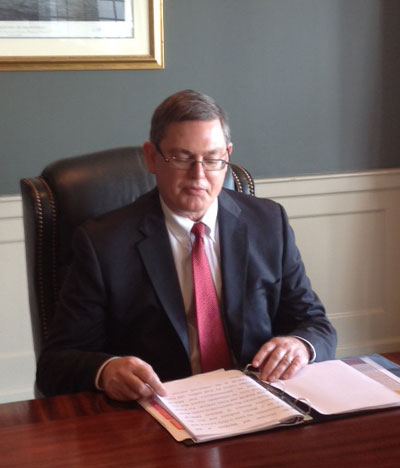
 Professor Chris Lawson Testifies to the House Committee on Appropriations Subcommittee on Commerce
Faculty Excellence
CAS News
April 22, 2012
On behalf of the EPSCoR/IDeA Coalition Dr. Christopher M. Lawson from the University of Alabama at Birmingham testified in front of the House Committee on Appropriations Subcommittee on Commerce, Justice, Science and Related Agencies on March 22, 2012.
Congress established the EPSCoR program to ensure that research universities in all states participate in and benefit from Federal science and technology activities. Although EPSCoR states have 20% of the nation's population, and close to 25% of its doctoral research universities, these states only receive about 10% of the Federal research outlays. EPSCoR provides a mechanism to address these geographical imbalances. The program has been a huge success—investments have generated growth in state economies, attracted students into STEM fields, and created a broader base of research expertise available to the agencies to meet their missions.
Congress established the EPSCoR program to ensure that research universities in all states participate in and benefit from Federal science and technology activities. Although EPSCoR states have 20% of the nation's population, and close to 25% of its doctoral research universities, these states only receive about 10% of the Federal research outlays. EPSCoR provides a mechanism to address these geographical imbalances. The program has been a huge success—investments have generated growth in state economies, attracted students into STEM fields, and created a broader base of research expertise available to the agencies to meet their missions. More News
-
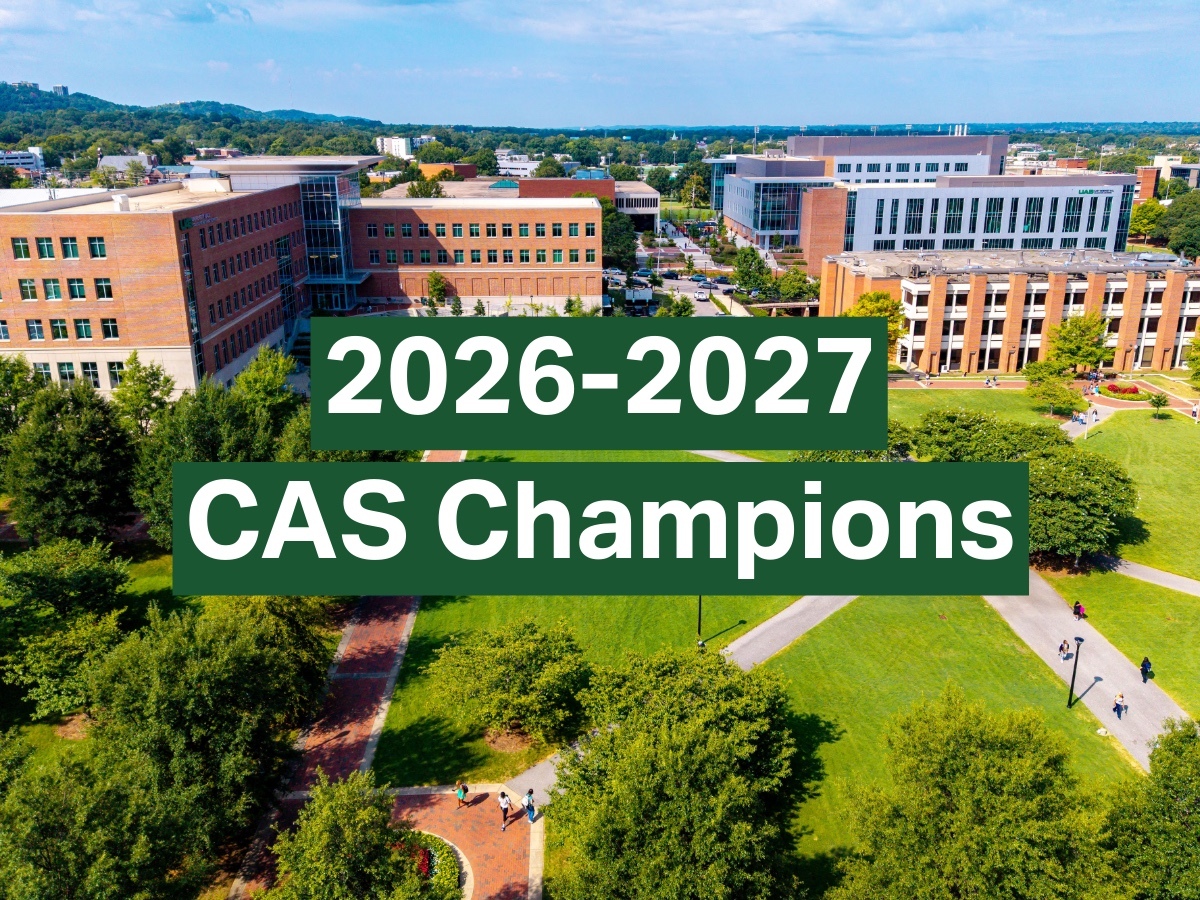 Meet the 2026-27 CAS Champions!CAS Champions are student ambassadors who serve as leaders within the College and are selected to represent the various disciplines within CAS.
 -
 AI-assisted digital twins for building retrofitsUAB researchers are developing an AI-assisted digital twin platform for building retrofit planning.
 -
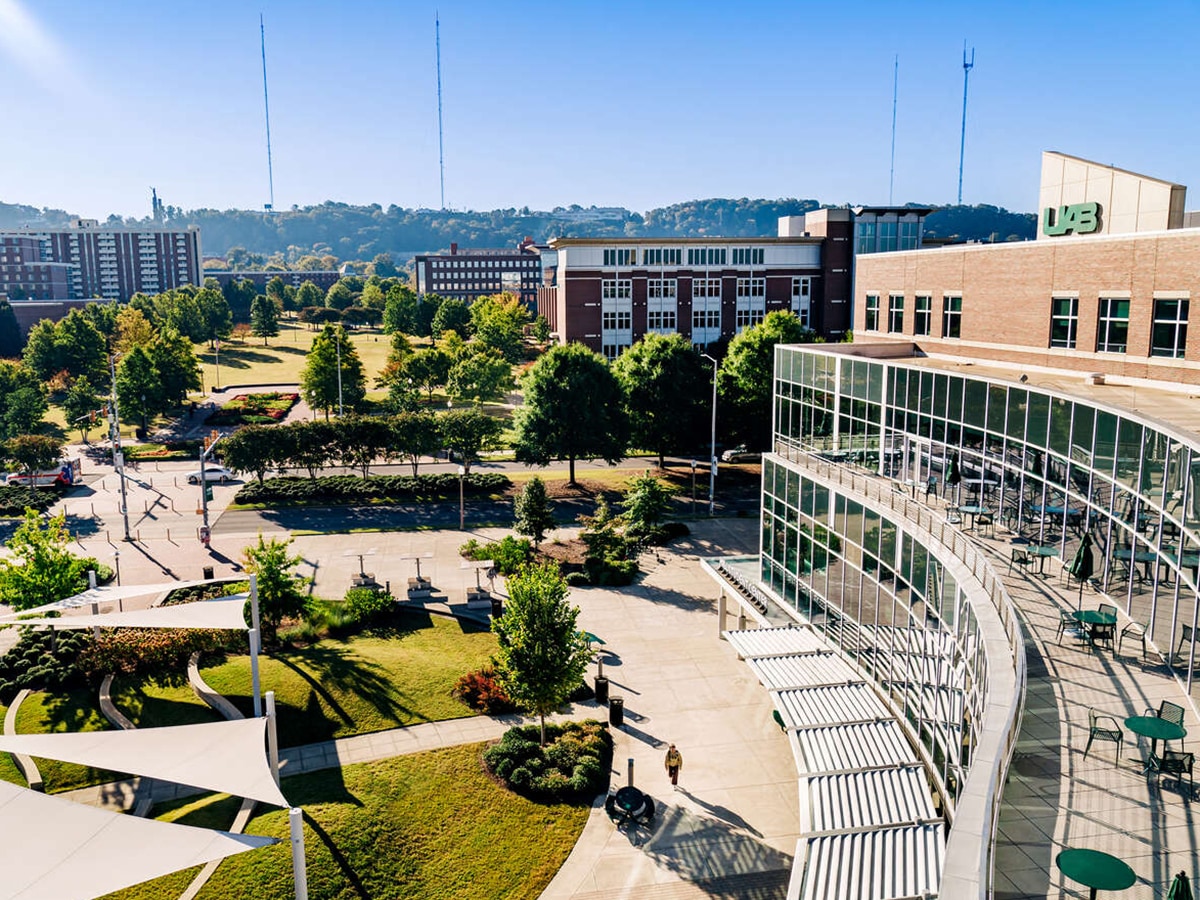 Call for artists: Submit ideas for new outdoor sculpture at UAB through Oct. 22The museum-quality, contemporary public sculpture will be installed outside of the Hill Student Center as part of Birmingham’s Legacy Art Trail honoring local visionary leaders.