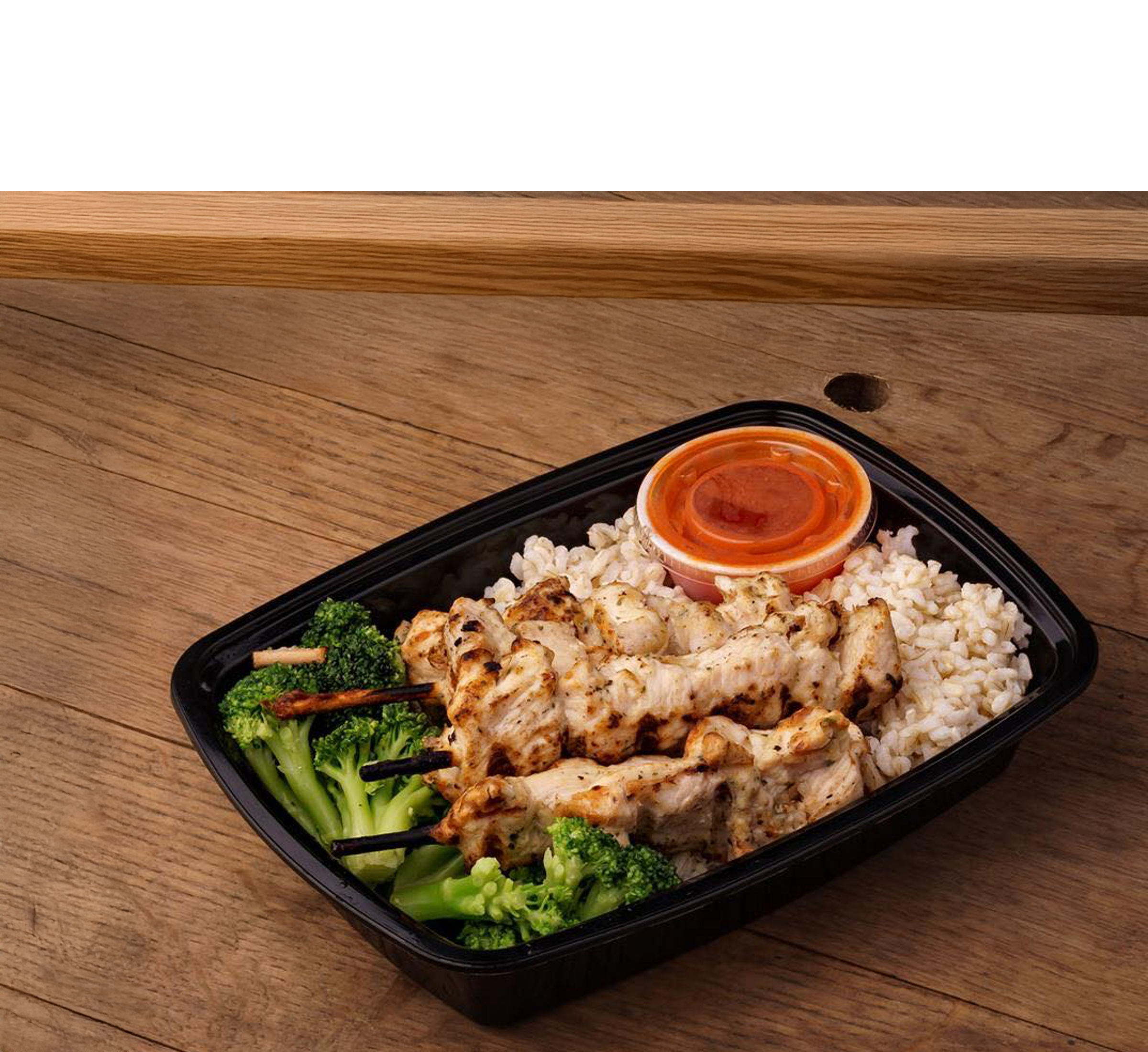
If the phrase meal prep makes you think of hours of cooking, stacks of containers, and eating the same meal all week, you’re not alone. Many people don’t avoid meal prep because they don’t care about their health. They avoid it because they’re busy, tired, or overwhelmed. Making food decisions over and over can be exhausting. This is called decision fatigue, and it can make healthy choices feel harder than they need to be.
Here’s the good news: meal prep doesn’t have to look like what you see on social media. It doesn’t need to take all day or require expensive containers. Meal prep can be simple, flexible, and designed to fit your lifestyle.
The Bionutrition Unit with the CCTS prepares thousands of meals for research participants in controlled feeding studies. Along the way, we’ve learned practical tips that make meal prepping easier, more manageable, and cost-effective. Check out our social media to learn more simple ways to support better eating.
Redefining Meal Prep
Let’s start by changing what meal prep really means.
Meal prep is anything you do now that makes eating later easier. That’s it.
Meal prep can look like:
- Washing, cutting and storing fruit once a week instead of every day
- Cooking extra food at dinner so tomorrow’s meal is ready
- Buying pre-cut vegetables or a rotisserie chicken
If it saves time or reduces stress later in the week, it counts.
Why This Matters (Especially on Busy Days)
When we’re tired or stressed, our brains choose the easiest option, often resulting in unhealthy, overly processed foods that can lead to overconsumption of calories, obesity, and poor health outcomes. Research shows that planning meals ahead of time is linked to better diet quality, more variety, and healthier body weight. Meal prep isn’t about willpower. It’s about making decisions ahead of time, so you don’t have to think as much when you’re busy or exhausted. When the decision is already made, healthier choices feel easier.
Common Roadblocks (and How to Get Around Them)
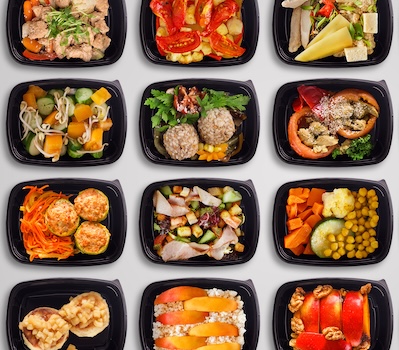
“I don’t have time.”
-Try a 10-minute prep. Pick one day and spend just 10 minutes washing produce, portioning snacks, or planning lunches. Small steps can make a big difference.
“I get bored eating the same thing.”
-Instead of prepping full meals, prep ingredients. Cook a few servings of protein and mix it up during the week. For example, use grilled chicken in a salad one day, then add BBQ sauce and pair it with rice and vegetables the next.
“I don’t like cooking.”
Good news, you don’t have to cook. Assembling foods like salads, wraps, bowls, and sandwiches counts as meal prep.
“I lose motivation.”
-Prep foods you actually enjoy and know you’ll eat. Meal prep doesn’t need to be perfect!
The “Good Enough” Meal Prep Formula
A simple way to build a meal is:
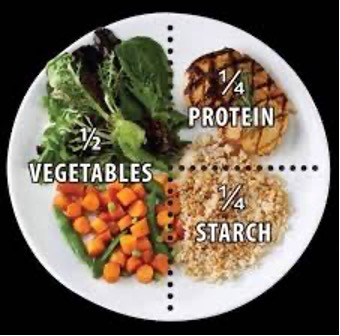
1 Protein + 1 Color + 1 Comfort
- Protein: eggs, beans, yogurt, chicken, tofu
- Color: fruits or vegetables (fresh, frozen, or canned)
- Comfort: rice, potatoes, bread, pasta (foods that feel filling and satisfying)
This balance helps support energy, fullness, and enjoyment without counting calories or following strict rules.
The Takeaway
Meal prep doesn’t have to be perfect to be helpful. For people who hate meal prep, the best approach is often the simplest one. When food decisions are easier, healthier choices tend to follow—and that’s a win for your health.
For more information on meal prepping check out these sites below:
- Meal planning magic: Save time with these strategies by working smarter, not harder
- Good Nutrition
- A Beginner’s Guide to Healthy Meal Prep
- Pennington Biomedical Research Center Metabolic Kitchen Recipes
- Cold Food Storage Chart
Join us in exploring the transformative power of nutrition science with the CCTS Bionutrition Unit, fostering collaboration and enhancing efforts to improve patient care and outcomes. Subscribe to the weekly CCTS Digest to stay updated on this on-going campaign, CCTS In Focus: Bionutrition, as well as upcoming CCTS events. Follow the CCTS Bionutrition Unit on Instagram for additional practical nutrition tips, meal ideas, and healthy living resources.
References:
https://www.ajpmonline.org/article/S0749-3797(14)00400-0/pdf
https://health.clevelandclinic.org/decision-fatigue
https://pmc.ncbi.nlm.nih.gov/articles/PMC5288891/