-
-
 New insights into immune cell differentiation may inform future vaccines and autoimmune disease researchUAB researchers discovered a fundamental immune system mechanism that helps CD4+ T cells balance antibody and cellular responses to infection, a finding that could improve vaccine design, advance immunology research, and deepen understanding of autoimmune and immune deficiency diseases.
 -
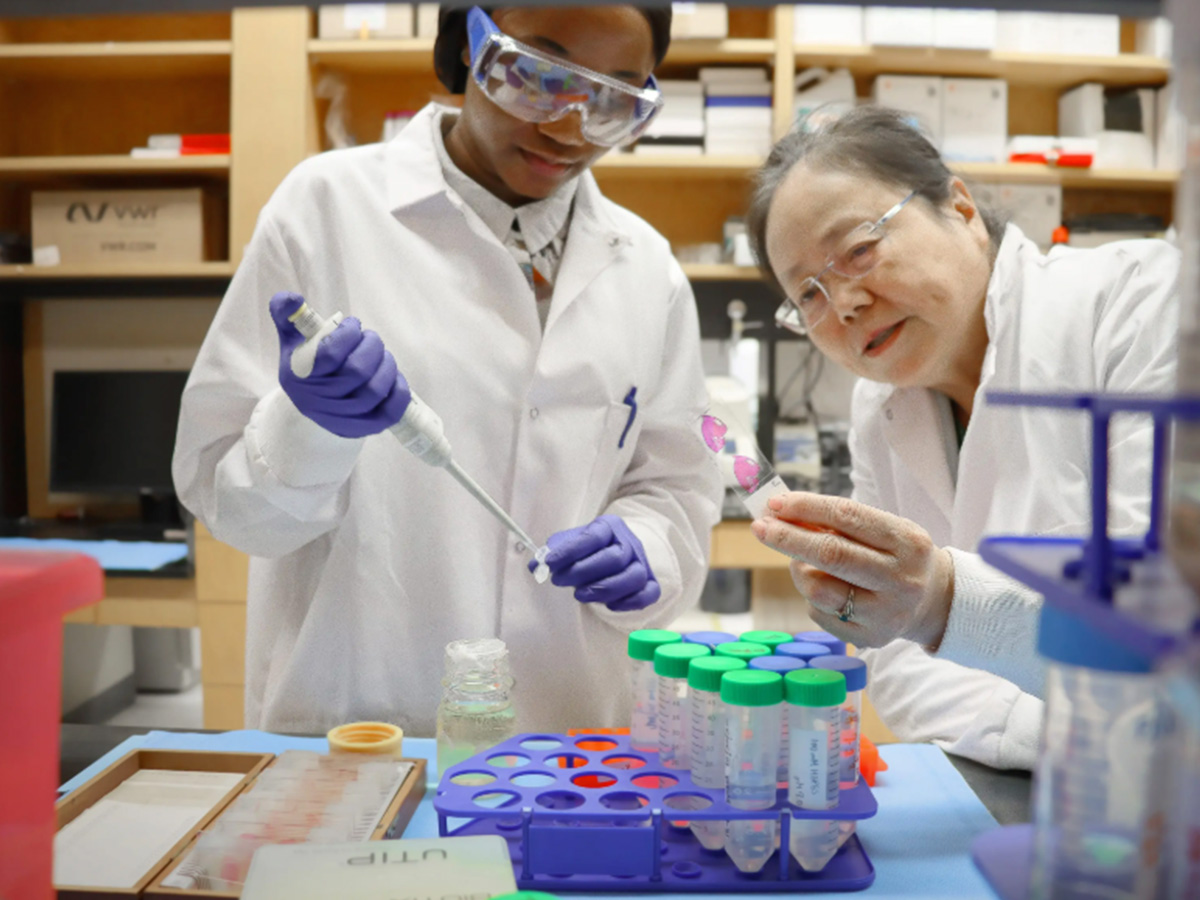 UAB O’Neal Cancer Center research advances precision imaging through multicolor MRI technologyJenny Yang, a senior scientist at the O’Neal Cancer Center and professor in UAB’s Department of Medicine, is advancing protein-based molecular MRI technologies designed to detect disease-related biomarkers and distinguish cancer subtypes through multicolor imaging.
 -
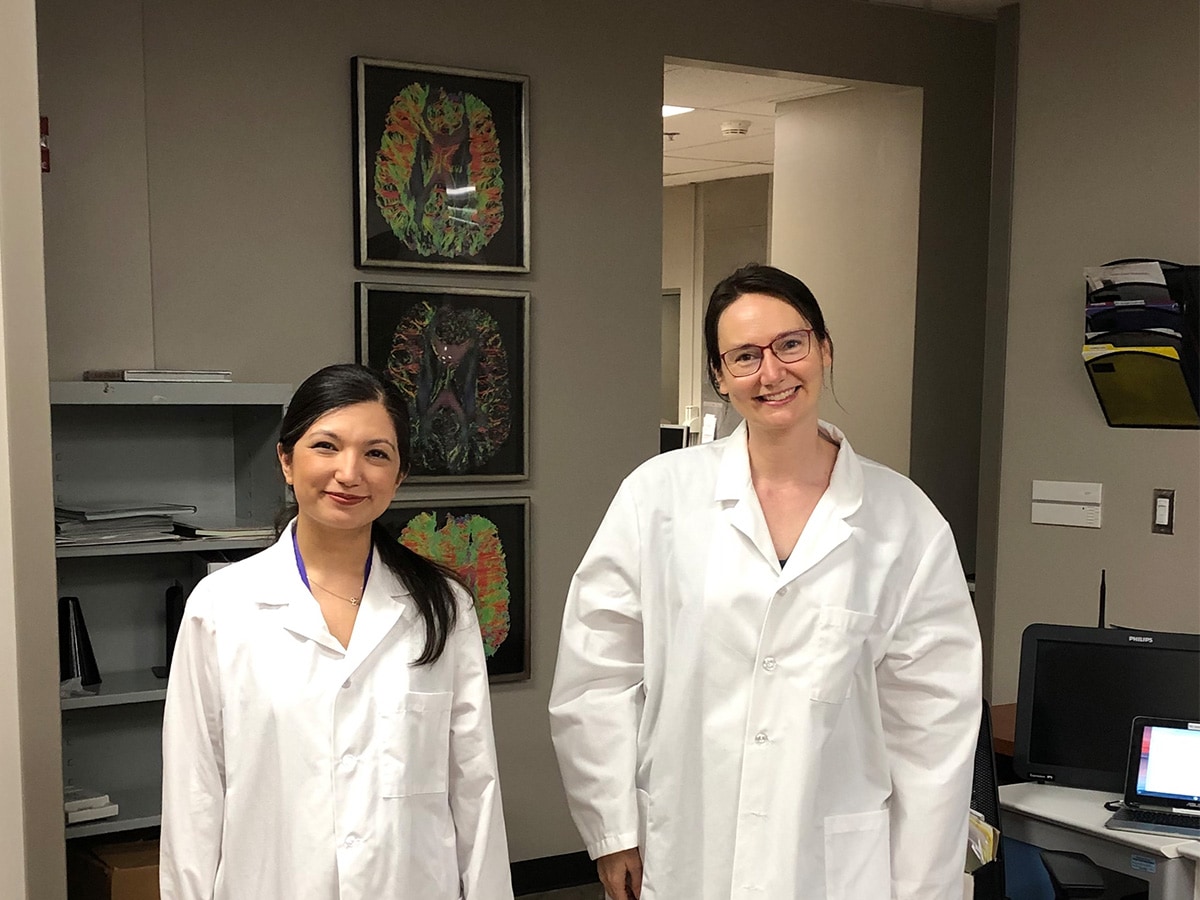 Study reveals how individual experiences shape the brain’s wiringA UAB study found that brain regions used for attention-heavy tasks develop uniquely individualized connections, revealing how experience shapes neural wiring and offering new insights into brain plasticity, vision loss adaptation and personalized rehabilitation.
 -
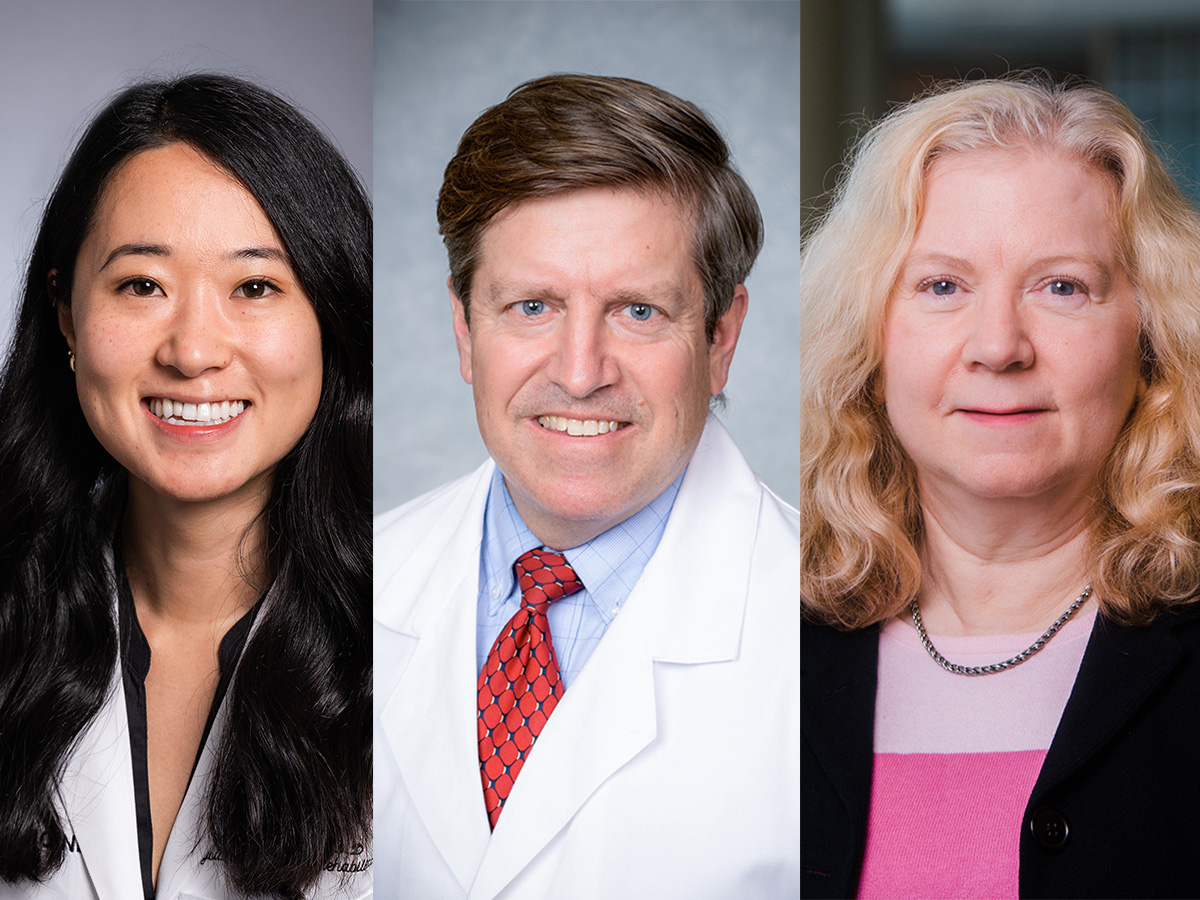 Driving after traumatic brain injury: How UAB is working to simplify the road to recoveryUAB researchers are using driving simulator technology and long-term traumatic brain injury data to better predict when patients can safely return to driving and develop more evidence-based rehabilitation guidelines.
 -

-
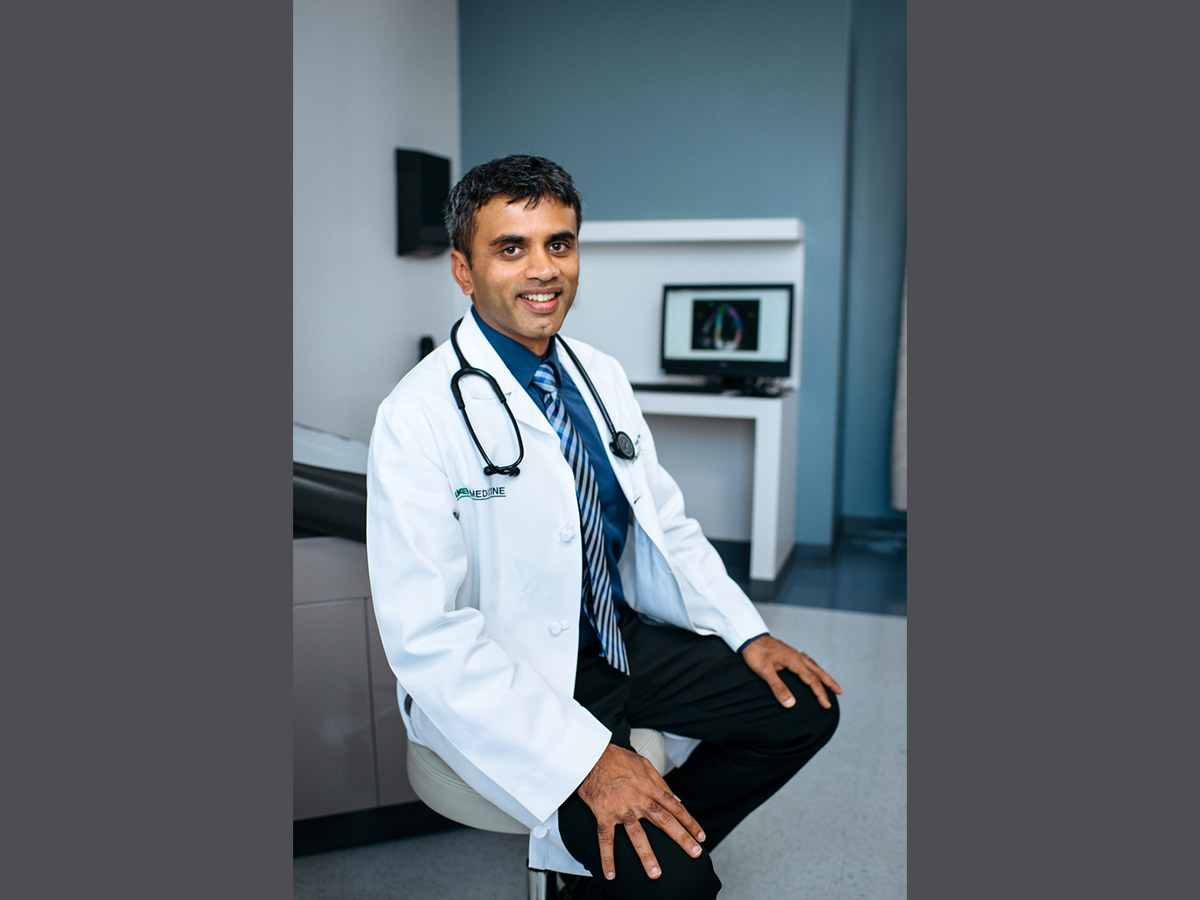 UAB receives grant to investigate how genetics shape blood pressure response to saltUAB researchers have received a five‑year NIH grant to investigate how genetic differences in natriuretic peptide biology shape salt sensitivity. The study pairs large‑scale genomic discovery with a genotype‑guided clinical trial to uncover mechanisms behind salt‑sensitive hypertension and support more personalized prevention and treatment.
 -
-

-
 UAB marks five years of transformational $100 million Heersink giftThe UAB Marnix E. Heersink School of Medicine is celebrating the anniversary of the couple’s transformational $100 million gift and the legacy it has created in healthcare, education, biomedical innovation and community development.
 -
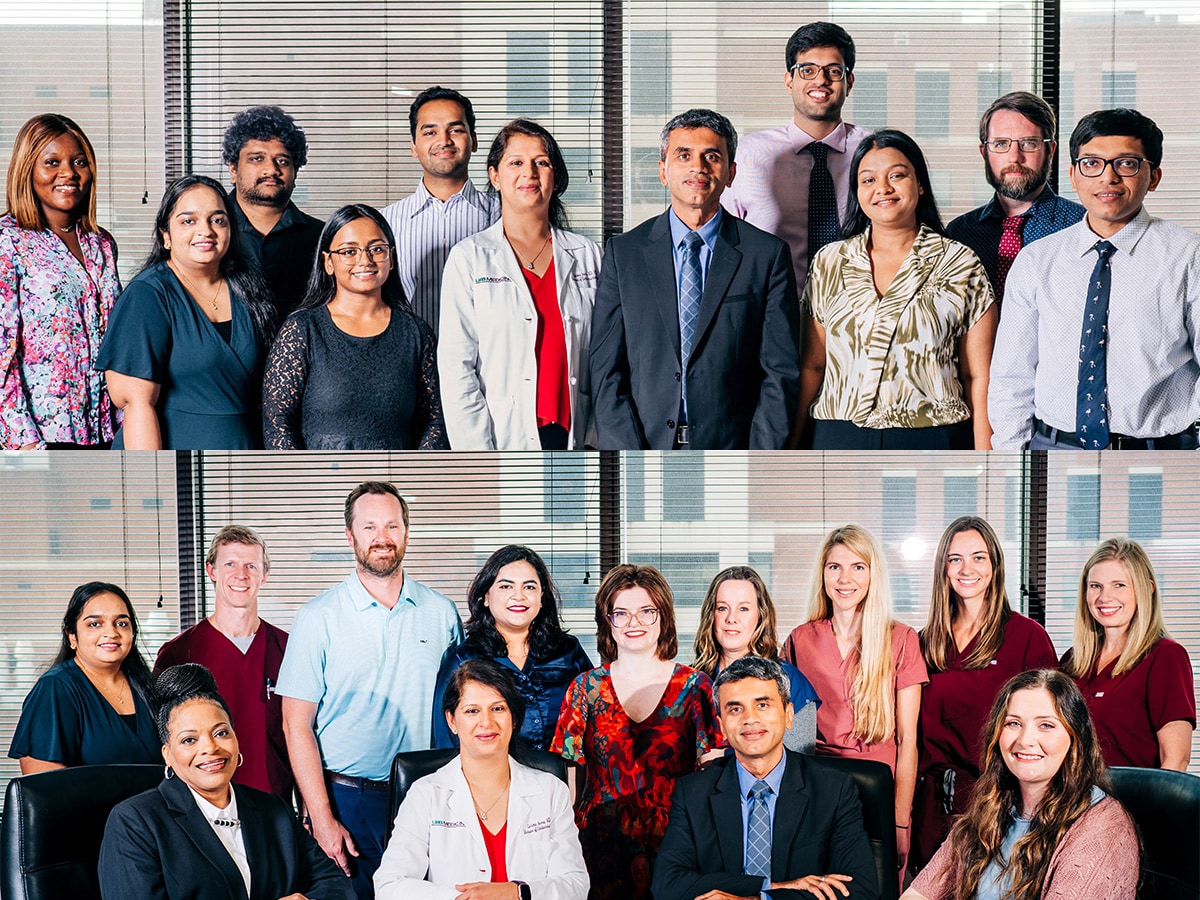 UAB doses world’s first patient in investigational gene therapy trial for BAG3-associated dilated cardiomyopathyUAB researchers and collaborators are conducting an innovative first-in-human clinical trial, dosing the world’s first patient with an investigational gene therapy designed to advance research and healthcare for individuals with inherited, BAG3-associated dilated cardiomyopathy.
 -