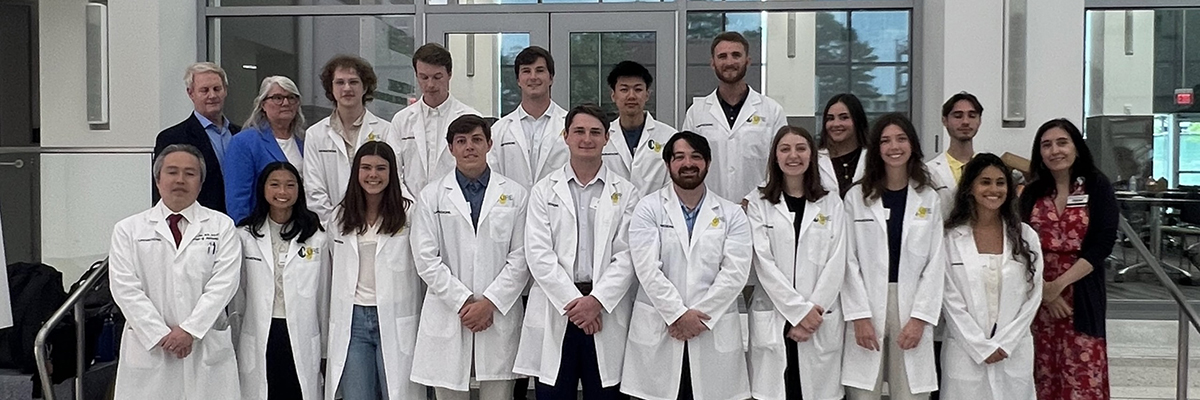
The Kidney, Urology, and Non-Malignant Hematology (KUH) Undergraduate Research Experience program is a 12-week (8 weeks on campus), NIH-funded Summer Research Program.
This program focuses on biomedical research, allowing you to learn about advances in "KUH" research and be mentored in a research project in a lab by the University of Alabama at Birmingham's renowned KUH community of investigators.
 Mission
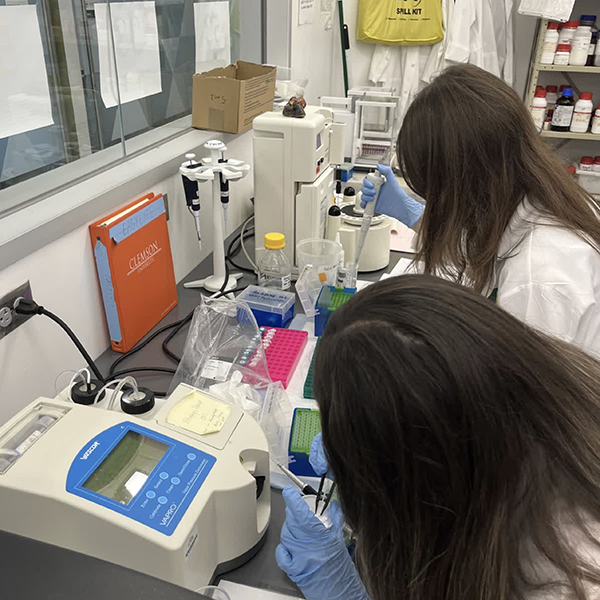
The mission of the UAB KUH KURE program is to inspire, motivate, and develop future kidney, urology, and classical hematology (KUH) researchers through an immersive short-term KUH research and professional development activities. The UAB KUH KURE program builds confidence and understanding through hands-on research projects, as well as enhances knowledge of physiological systems, and fosters critical thinking, communication, and leadership in a thriving KUH research environment at UAB.
This NIH funded program has been a pillar of the kidney scholars programs at UAB. UAB KURE has been accepting summer scholars since 2014 and became NIH funded in 2019. Over 100 KURE scholars have been trained at UAB.
Application and Program Timeline
| STEP | Open | Closes |
|---|---|---|
| Application | Mid-November | February 27, 2026 at 11:59 PM CT |
| Interviews | Late January | End of March |
| Rolling Offers | Early February | End of March |
| Virtual Onboarding | May 18, 2026 | May 29, 2026 |
| Move In | May 30, 2026 | May 31, 2026 |
| Campus Program | June 1, 2026 | July 30, 2026 |
| NIH KUH National Conference - Pittsburgh, PA (funding provided as part of KURE program) |
July 23, 2026 | July 25, 2026 |
Learn More
-
Research Areas
- Chronic Kidney Disease: How Chronic Kidney Disease is affected by and affects other functions of the body, such as cardiovascular dysfunction and diabetes.
- Polycystic Kidney Disease: How different genes can affect the speed at which ADPKD forms cysts and changes the function of the kidneys.
- Cellular Immunology of the Kidney: Investigates topics regarding immunology in kidney disease, including all immune cells, cytokines, and other factors.
- Acute Kidney Injury: Mechanisms involved in AKI induced by different conditions.
- Vascular Access: Investigating the mechanisms involved in complications associated with vascular access in dialysis patients.
- Biomedical Engineering: Applying engineering and technology to investigate processes involved in kidney disease, such as micro-mechanical forces in blood vessels.
- Kidney Stones: How eating, sleeping, and activity patterns impact the risk of kidney stone formation.
- Hypertension: Investigates the relationship among hypertension, cardiovascular disease, and kidney disease.
- Circadian Rhythms: How the circadian rhythm affects the kidneys and their function.
- IgA Nephropathy: Investigating mechanisms that lead to the development of IgA nephropathy.
-
Additional Benefits
UAB KUH KURE is a focused opportunity to develop your research and biomedical knowledge through a mentored experience in a team environment. With over 80+ members of the Nephrology, CKD, Urology, and Hematology community are involved in the program - the networking and development opportunities do not stop! Not to mention the opportunity to live in downtown Birmingham throughout the summer!
In addition the research and training opportunities - the program provides:
- $4500 stipend
- Housing (Shared apartment style dorms with kitchen)
- Social activities
- Travel to NIH KUH Conference*
* If program is offered
-
Application Details
Application Process (See above for timeline)
Includes:
- Statement of academic interest and career goals as well as describe your interest in kidney, urology, and/or non-malignant research
- Current resume in PDF format
- Contact information for two faculty writing letters of recommendation
- Academic transcript including your Fall 2025 grades. This can be sent in separately any time prior to the deadline.
- Candidates will be reviewed on the above completed information
- Top Candidates will be asked to complete a short interview
Acceptance: We begin offering admittance on a rolling basis in February, deadline for all UAB KUH KURE Applications is February 27, 2026 11:59 PM.
Strong Applicants:
- Minimum GPA of 3.2
- At least 60 credit hours completed by the end of the spring semester
- Preference given to students who have completed advanced biology courses with direct biomedical focus
- Preference given to those interested in KUH-related biomedical research
Holistic Review:
UAB KUH KURE Selection Committee recognizes the humanity of each candidate and reviews each application from a holistic perspective based on the information provided by the candidate and recommendation letters.
*Note: KUH KURE is open to US citizens and permanent residents.
-
Approaches
- Imaging: Imaging techniques, including histology, immunohistochemistry, and immunofluorescent microscopy, as well as image processing.
- Flow Cytometry: Flow cytometry to analyze immune or other cell types.
- Molecular Assays: Molecular assay techniques, such as Western blots, PCR, and ELISA.
- Surgery & Dissections: Surgery for studies needing telemetry, denervation, and more.
- Transcriptomics: Single-cell and spatial transcriptomics.
- Genetic Editing: Technologies such as CRISPR to conduct experiments on specific genetic conditions.
- Cell Cultures: Cell culture techniques, such as 2D and 3D cell cultures.
- RNA Isolation: RNA isolation techniques, cDNA conversion, and PCR.
- Organoids
-
Opportunities
Students work on an individual project with a faculty mentor and near peer mentor. They work in a team environment of PhD students, post-docs, fellows, and other researchers to work on a project that is supported by on-going NIH or related grants. All projects are related to advances in kidney, urology, and/or non-malignant hematology research. Methodological approaches include a full range of molecular, biochemical, and cell biology approaches, in vitro tissue perfusion and function techniques, as well as chronic animal models that assess renal and vascular function.
- Close mentorship on summer research project
- Networking opportunities with near peers and professionals
- Advanced education in kidney, urology, and non-malignant hematology (KUH) biology
- Transplant and Clinical observations
- Oral presentation of your research at KUH KURE Symposium
- Poster presentations at UAB Summer Research Expo
Alumni Outcomes
Our alumni are making an impact all over the world, with graduates pursuing diverse careers and opportunities across a wide range of locations and sectors. Explore the interactive data to see where our alumni are now and learn more about the program’s long-term outcomes.
View Career OutcomesOpens an external link.
Leadership

Program Director

Associate Director
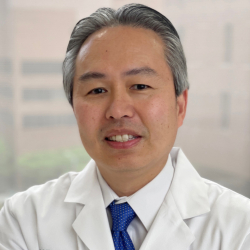
Professor and Director, Division of Nephrology

Assistant Professor, Division of Nephrology
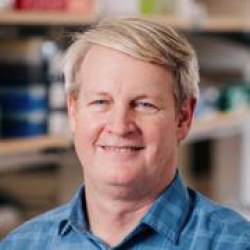
Professor, Cell, Developmental, and Integrative Biology
Got more questions? Reach out and let's talk.
 Rena Becker, MA, Training Program Manager
Kidney Scholars and KUH Scholar Programming