Our Get to Know series highlights our dynamic researchers from across the UAB Comprehensive Diabetes Center (UCDC), from faculty members to trainees and laboratory staff. This month, we’re spotlighting Md Saimoon Rahman, a graduate student from Bangladesh who is working on his thesis in the Wende Lab in the UAB Division of Molecular and Cellular Pathology.
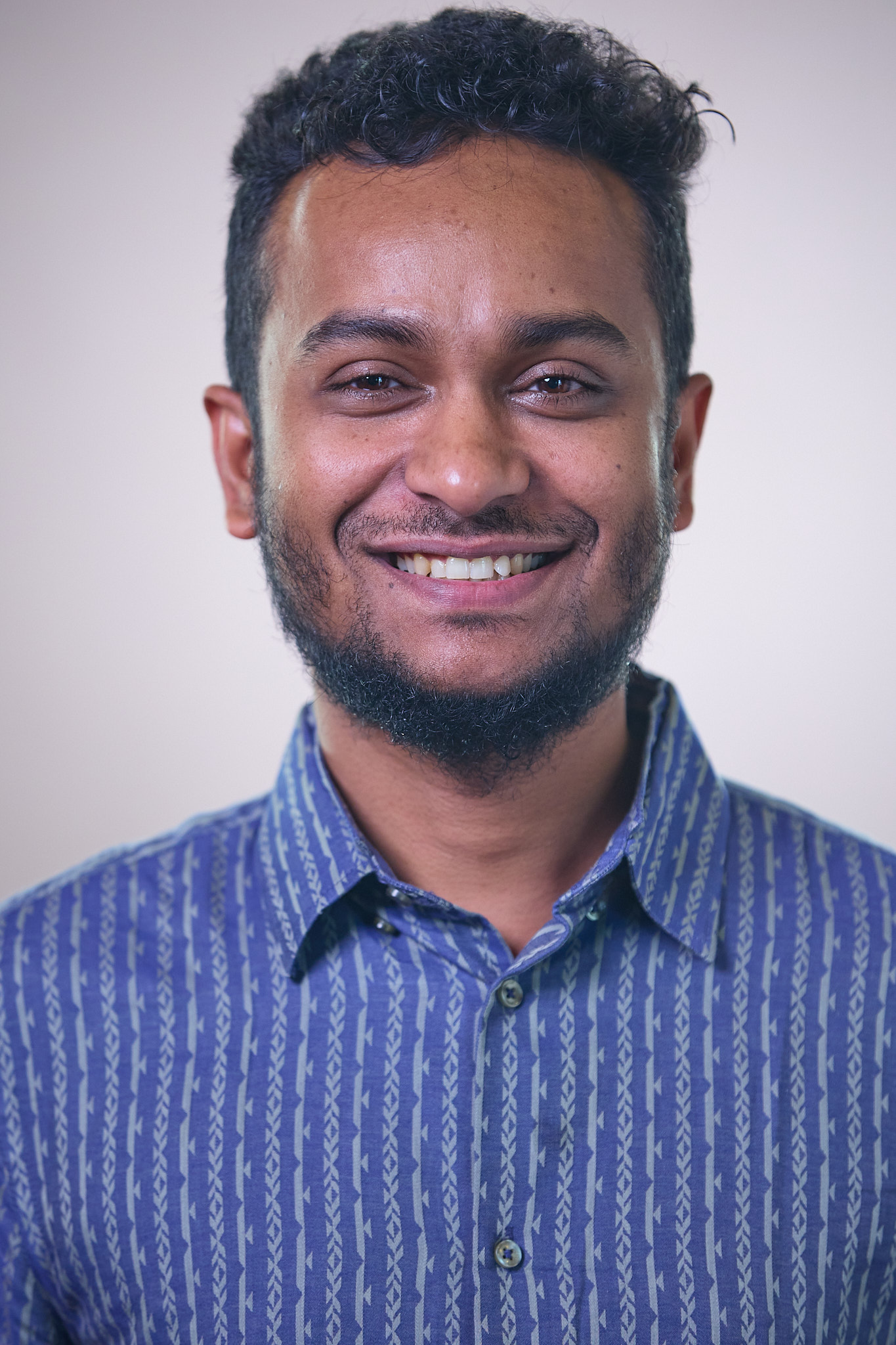 Md Saimoon RahmanWhat’s your hometown?
I am from Barishal, Bangladesh.
Tell us a little bit about your background and role at UAB.
I joined the Ph.D. program in the Graduate Biomedical Sciences at UAB in August 2023 and joined the laboratory of Adam R. Wende, Ph.D. for my thesis research in April 2024.
I earned my Bachelor of Science in Biotechnology and Genetic Engineering from Khulna University, Bangladesh in 2015. Later, I completed a Master of Science in Microbiology and Immunology at the National Defense Medical Center, Taiwan, in 2023. My MSc thesis is titled, “The role of Clec18 in mouse brain development.” In this project I studied function of Clec18 in brain development and identified that loss of Clec18 leads to hydrocephalus and causes reduced ependymal cell number and irregular cilia morphology.
What are your current areas of research?
My current research interests center on metabolic and epigenetic regulation in disease and development with a particular focus on understanding how post-translational protein modifications (e.g. O-GlcNAcylation, Acetylation) influence cellular physiology and pathophysiology.
My current research in the Wende Lab examines how increased O-GlcNAcylation, a post-translational protein modification in cardiomyocytes, promotes cellular crosstalk with fibroblasts and immune cells in the setting of heart failure.
Tell us more about your research collaborations.
A key aspect of my work in the center involves collaboration with other investigators to integrate diverse expertise into my research. Particularly, Wende Lab collaborations with UCDC members John Chatham, D.Phil., and Glenn Rowe, Ph.D., have been significant in advancing my scientific training. I am also investigating the role of the calcium sensor STIM1 in cardiac physiology, as well as the function of transcriptional coactivators PGC1s in skeletal muscle physiology.
My collaboration with Dr. Chatham on O-GlcNAcylation and the STIM1 directly connects my work to the broader question in diabetes and metabolic physiology. O-GlcNAcylation is closely linked to glucose metabolism, which is fundamentally altered in diabetes. On the other hand, STIM1 plays a critical role in calcium-dependent metabolic regulation. Through this collaboration, I am gaining deeper insight into how post-translational modification and calcium signaling regulate metabolic homeostasis and how dysregulation of theses pathways contribute to diabetic cardiomyopathy and impaired cardiac function.
My collaboration with Dr. Rowe on identifying the unique and common roles of PGC1 family members in skeletal muscle using transcriptomic analysis further strengthens my training in the physiological mechanisms underlying metabolic disease. This collaboration enables me to explore how transcriptional regulation of metabolic programs intersects with systemic metabolic homeostasis and disease pathophysiology.
Overall, these collaborations position my research at the interface of cardiac and skeletal muscle metabolism, calcium signaling, mitochondrial regulation, and immune cell biology, all of which are central to understanding metabolic diseases like diabetes and diabetic cardiomyopathy.
What do you enjoy doing outside of the lab?
I am passionate about travel and exploring natural landscapes. I enjoy spending quality time with my family and discovering new destinations with scenic beauty.
What’s your favorite thing to do in Birmingham?
I enjoy visiting natural attractions in and around Birmingham including parks (Oak Mountain State Park), lakes (Lake Guntersville) and waterfalls (Little River Canyon), and exploring the local coffee culture at various cafes (Baba Java Coffee, The Red Cat) throughout the area.