Four interdisciplinary faculty teams have been selected as 2026 GIMPOP research pilot program awardees by the Division of General Internal Medicine and Population Science, recognizing collaborative projects designed to strengthen research, education, and clinical impact across the division.
The GIMPOP research pilot program supports projects co-led by faculty from different disciplines, ideally pairing a clinician or medical educator with a researcher. The new program aims to spark new ideas, strengthen cross-disciplinary partnerships, and advance work that can grow into larger opportunities for scholarship, implementation, and impact.
The 2026 GIMPOP research pilot program awardees are:
 |
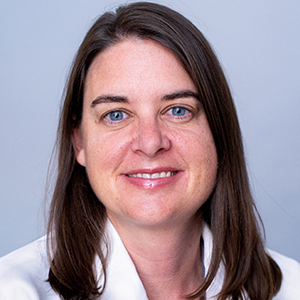 |
Lori B. Bateman, Ph.D., and Erin Snyder, M.D.
Primary care Readiness for IMplEmentation of Navigation: The P.R.I.M.E.-Nav Study
 |
 |
Carrie R. Howell, Ph.D., and Natasha Mehra, M.D.
Evaluating Point-of-Care Lab and Transportation Interventions on Increasing Cardiometabolic Screening and Outcomes in a Safety Net Clinic
 |
 |
Kelly Palmer, Ph.D., and Brittany Payne, M.D.
Using Group Concept Mapping to PRioritize Entrustable Professional Activities in REsidency Training (PREPARE Training)
 |
 |
Gabriel S. Tajeu, DrPH, and Stuart Cohen, M.D.
Are Primary Care Visit Cancellations the New No-Show? Examining Trends in Nonattendance Over Time and Associations with Hypertension in the University of Alabama at Birmingham Health System
The 2026 call for applications emphasized interdisciplinary collaboration and supported projects to be completed within one year. Projects were required to be co-led by at least two faculty from different disciplines, reinforcing the division’s focus on team science across clinical care, education, and research.
“These projects reflect the kind of thoughtful, collaborative work we want to encourage across our division,” associate division director for research Gareth Dutton, Ph.D., said. “By bringing together complementary expertise, these teams are tackling questions that matter for patient care, medical education and the future of population health.”